In today’s fast-paced and digitally-driven industries, knowing the exact location and condition of your physical assets is no longer a luxury but a necessity. Asset tracking systems have become invaluable tools for businesses across a wide range of sectors, from manufacturing and logistics to healthcare and education. These systems help monitor and manage equipment, tools, vehicles and other critical resources in real time, improving operational efficiency and reducing financial loss.
At its core, an asset tracking system allows organisations to record and oversee the movement, status and usage of physical items. This can be achieved through a variety of technologies such as barcodes, RFID tags, GPS and cloud-based software platforms. Each item is assigned a unique identifier, which is scanned or updated as it moves through different stages or locations. This creates a transparent, easily accessible trail of data that helps businesses make informed decisions regarding asset utilisation, maintenance and procurement.
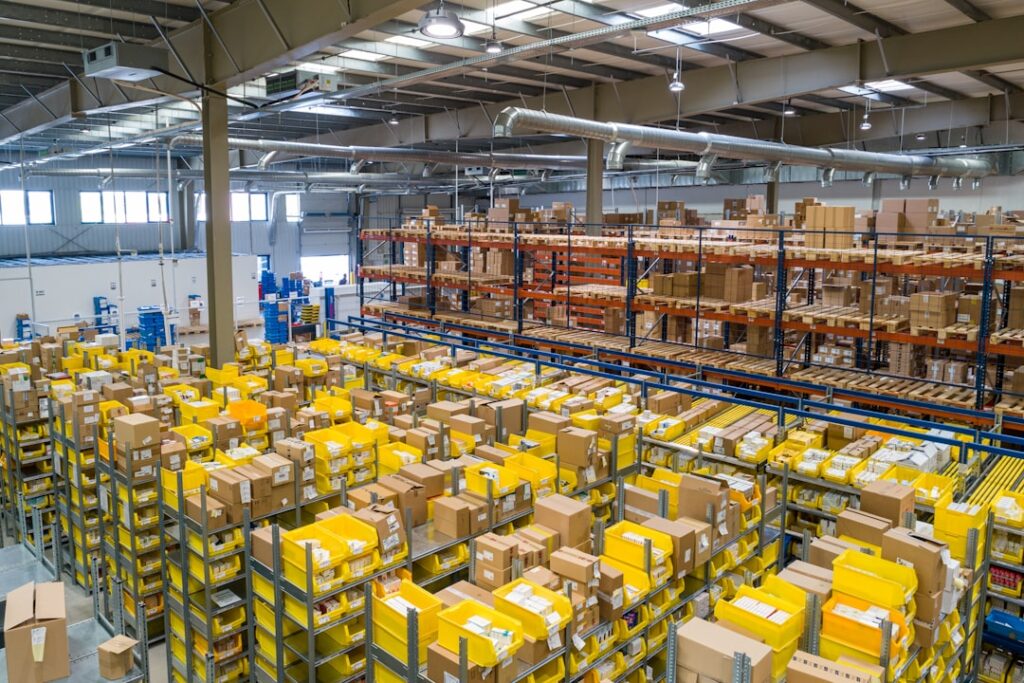
One of the most common and cost-effective methods of asset tracking involves barcode scanning. These systems are particularly useful in environments where large volumes of equipment or stock must be monitored and managed with precision. For example, in a warehouse setting, barcode scanners streamline the inventory process, enabling staff to quickly identify the location and status of any item. This not only reduces the time spent on manual checks but also minimises human error. Businesses looking for reliable asset tracking systems will find that barcode technology offers a practical entry point with proven benefits.
Beyond inventory control, asset tracking systems also support regulatory compliance and risk management. In sectors such as healthcare, the ability to trace medical equipment or pharmaceutical supplies is critical. Real-time tracking ensures that equipment is regularly serviced, properly sterilised and used within safe parameters. Similarly, educational institutions can keep tabs on valuable electronic devices, reducing the likelihood of loss or theft while ensuring resources are available to students and staff when needed.
Modern asset tracking solutions are often integrated with cloud-based platforms, allowing for remote monitoring and data access. This is especially advantageous for companies with multiple sites or mobile operations. Managers can log into a central dashboard to view asset locations, generate usage reports or schedule maintenance tasks across different facilities. This level of visibility enhances accountability and streamlines decision-making processes.
Another key advantage of implementing an asset tracking system is cost efficiency. By accurately recording the life cycle and usage of assets, businesses can avoid unnecessary purchases, extend the service life of equipment and allocate resources more effectively. Over time, this translates into significant savings, both in terms of capital expenditure and operational overheads. Insightful data gathered from tracking systems can also reveal patterns in asset usage, helping companies to optimise workflows and reduce downtime.
The scalability of these systems also makes them suitable for businesses of various sizes. From small enterprises managing a modest inventory to large corporations overseeing complex supply chains, asset tracking can be tailored to meet diverse needs. Many systems allow for modular expansion, meaning that as a business grows, its tracking capabilities can evolve accordingly without the need for a complete overhaul.
Security is another area where asset tracking systems provide considerable value. With access controls and audit trails, organisations can monitor who has interacted with specific assets and when. This is particularly useful in environments where sensitive or high-value equipment is used. In the event of a discrepancy, the system provides a clear record of activity, aiding in investigations and policy enforcement.
For anyone considering a transition to digital asset management, the first step is understanding the specific needs of the organisation. Factors such as the type and quantity of assets, frequency of use, and regulatory requirements all influence the choice of tracking technology. Consulting with experienced providers can help ensure the selected system aligns with both current operations and future growth.
For more information on how to integrate efficient tracking solutions into your business operations, visit this trusted resource offering insights and solutions tailored to your industry.