
Imagine standing in line at a busy retail store only to see the cashier repeatedly struggle with scanning barcodes that just won’t register. It’s a frustrating sight for customers and staff alike, slowing down the checkout process and creating unnecessary stress. Many businesses face this challenge, often because their barcodes aren’t well designed or their scanners aren’t matched to their needs. Reliable barcode generation paired with the right scanning technology can drastically reduce these hiccups, keeping things moving smoothly.
A barcode generator lets businesses produce unique, clear codes for each product. This matters more than most realise. For instance, a local bakery could create individual barcodes for every batch of bread, making stock tracking straightforward. If an item doesn’t scan properly, it’s often because the barcode is poorly printed or the design clashes with scanner capabilities. Having control over barcode creation helps avoid such issues by ensuring consistency and readability.
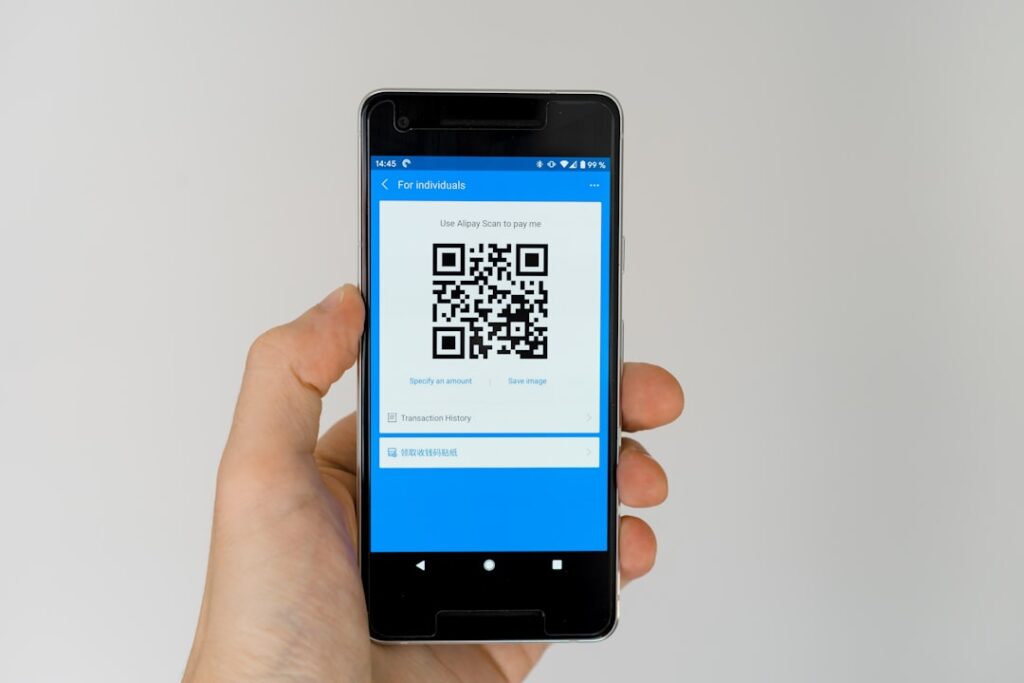
When picking a barcode scanner, the choice isn’t one-size-fits-all. Laser scanners excel at quickly reading printed barcodes from a short distance, which suits fast-paced retail checkouts. On the other hand, image-based scanners can read codes displayed on phone screens and multiple barcodes at once, which might be better for warehouses handling bulk items. Knowing how your business operates day-to-day will guide you to the right technology.
Compatibility with your existing software and hardware is another key factor. Many scanners connect through USB or Bluetooth, but not all systems support both smoothly. For those selling at markets or pop-up events, wireless Bluetooth scanners eliminate cord tangles and keep mobility high. It’s common practice to test scanner and system integration before committing, avoiding surprises that disrupt sales.
Integrating barcode generation into inventory management software reduces errors that come from manual entry. When a sale updates stock levels automatically, there’s less chance of mistakes like double counting or missed items. Warehouse staff often keep printed lists handy to cross-check if stock figures don’t match expected amounts, a simple habit that prevents costly restocking errors.
Tracking products through the supply chain becomes much easier too. Knowing exactly when goods arrive, move between locations, or leave storage bins depends on having scannable barcodes linked to your database. This data helps businesses identify fast movers and slow sellers. For example, a retailer might spot demand spikes for seasonal items early enough to adjust orders, saving both money and shelf space.
Some suppliers offer packages that include both barcode generators and scanners tailored for specific industries. If you’re updating your setup or starting fresh, it’s smart to explore these bundles. You might find something that fits your workflow perfectly without extra hassle. Check out barcode generator options designed for your sector to get a better sense of what’s available.
Reliable barcode tools don’t just speed up checkout; they bring clarity to stock management and supply logistics. Businesses that put effort into matching barcode creation with suitable scanners often notice fewer scanning failures and smoother daily operations. Simple steps like routinely cleaning scanner lenses and verifying barcode prints help maintain performance too.
For detailed advice on integrating barcode technology with your current systems, consider visiting practical inventory tracking tips. Practical knowledge can save time and money by helping you avoid common pitfalls when setting up new equipment.