
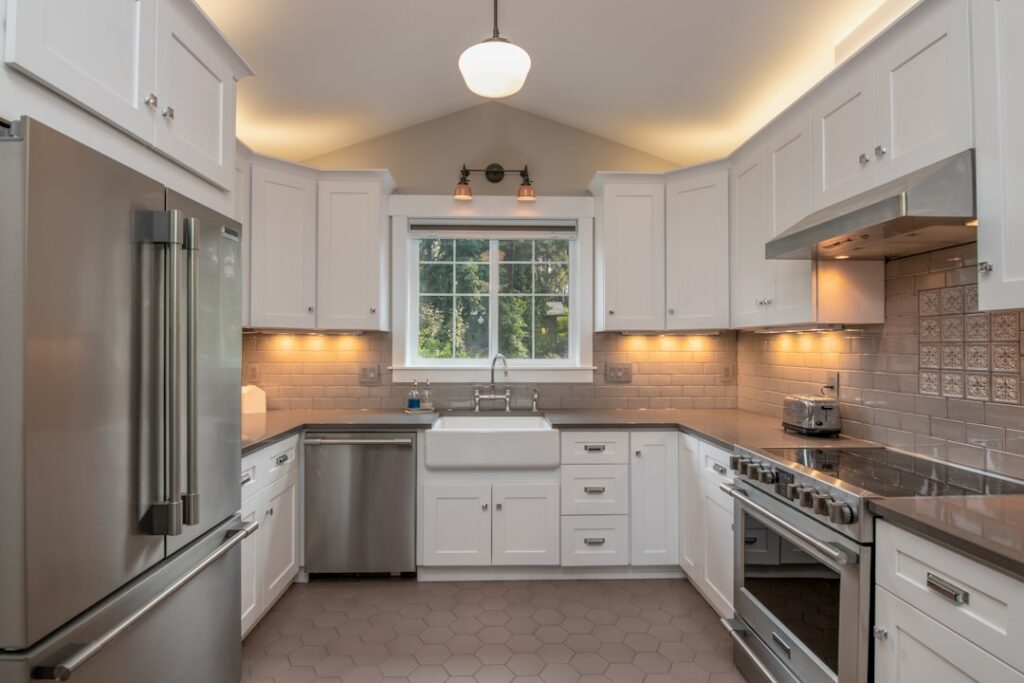
Walking into your kitchen only to see worn, outdated cabinet doors can be frustrating. A full renovation might seem like the obvious fix, but swapping out just the cabinet doors offers a practical alternative. It changes the room’s look without the mess or expense of replacing the entire cabinetry. Before taking any steps, check your cabinet frames carefully. If they’re sturdy and free from damage, keeping them while upgrading the doors saves money and reduces waste. Solid wood frames with chipped or faded doors are perfect candidates for this approach.
Style matters as much as structure. The doors set the tone for your kitchen’s design. Are you drawn to minimalist, clean lines or something with more traditional detail? Choosing doors that match your taste will reshape the feel of the space. For example, exchanging basic flat panels for shaker-style doors instantly adds depth and personality. Consider how door color and texture impact light reflection and the room’s mood, matte finishes soften glare, whereas gloss can brighten tight spots.
Hardware is often overlooked but can dramatically alter the overall appearance. New knobs and pulls can refresh cabinets without much effort. Think about materials that coordinate with your door finish and kitchen theme. Brushed nickel handles on white doors create a modern, understated look, while antique brass on dark wood brings warmth and sophistication. Also, check that hardware sizes fit existing holes to avoid extra drilling or patching.
Before making decisions, spend time gathering inspiration. Visit local showrooms and browse online galleries to note designs and colors that appeal to you. Pay attention to how different doors handle wear and tear, especially in busy kitchens. This preparation helps you communicate clearly with contractors or designers, reducing misunderstandings and rework. A common mistake is not measuring carefully before ordering doors; always double-check dimensions yourself or have a professional verify them.
Hiring a professional for installation can save headaches. Measuring cabinets incorrectly or improper fitting are frequent sources of frustration and extra costs in DIY projects. Experienced installers understand quirks in kitchen layouts, such as uneven walls or inconsistent cabinet depths, which affect door alignment. They can also recommend door materials suited for humid environments like kitchens with strong cooking steam, ensuring longevity.
Choosing the right door material is another practical detail. Solid wood offers durability but can warp if exposed to moisture. MDF doors with veneer finishes resist humidity better and provide a smooth surface for painting. Thermofoil is easy to clean but may peel over time with rough use or heat exposure near ovens. Knowing these pros and cons upfront helps avoid surprises after installation.
Replacing cabinet doors also offers a chance to update functionality. Soft-close hinges prevent slamming and extend hardware life. Glass inserts in some doors open up visual space and allow you to showcase attractive dishware. Adding a fresh coat of paint or staining new doors differently from the frames can create contrast that highlights architectural features of your cabinetry.
For detailed information about options available for cabinet door replacement, checking local service providers will give you a clearer sense of what fits your kitchen’s style and budget. Your kitchen deserves attention and care; don’t hesitate to reach out and make it shine again! If you’re ready to take the next step in rejuvenating this essential part of your home, .