
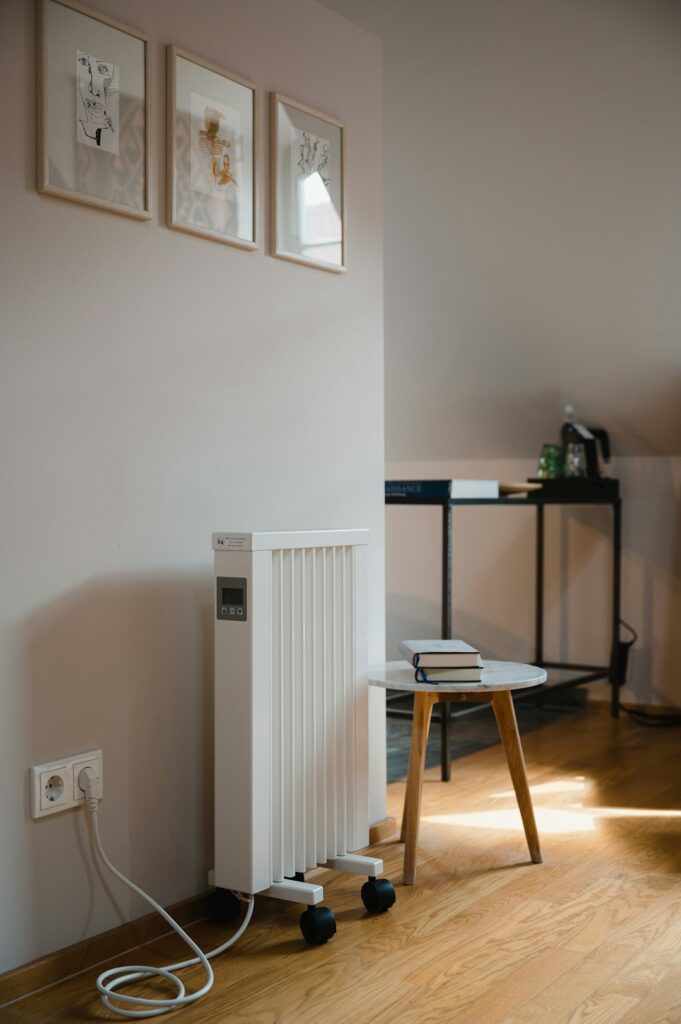
Commercial infrared heaters are increasingly being used in a wide range of industrial and commercial settings due to their energy efficiency and effective heating capabilities. Unlike traditional heating systems that warm the air, infrared heaters emit radiant heat that directly warms people, surfaces and objects. This method of heat transfer significantly reduces energy wastage, especially in large or open spaces where conventional systems struggle to maintain consistent temperatures.
In environments such as warehouses, factories, and workshops, heat loss can be a major concern. High ceilings and large entry points often allow warm air to escape, making it difficult to maintain comfortable working conditions. Infrared heaters solve this issue by providing targeted warmth that is not affected by air movement. This makes them particularly suitable for spaces that are prone to draughts or require open doors during operation. They also begin working almost instantly, reducing the need for continuous operation and further contributing to energy savings.
The installation of commercial infrared heaters can lead to significant cost savings over time. Because they heat only the areas that need it, businesses can avoid the unnecessary expense of warming unoccupied zones. Additionally, many modern infrared units come with zoning capabilities and programmable controls, allowing facility managers to fine-tune their heating strategy based on occupancy and operational hours. This level of precision not only enhances comfort but also supports sustainability initiatives by reducing overall energy consumption.
Another advantage lies in the low maintenance requirements of infrared heaters. Without fans, filters or ductwork, the systems are less prone to mechanical failure and require minimal upkeep. This reliability makes them an attractive option for businesses that cannot afford regular downtime. Furthermore, the absence of moving parts means they operate quietly, contributing to a more pleasant work environment.
Infrared heaters are also increasingly favoured for their health benefits. Traditional systems that rely on forced air can stir up dust and allergens, posing problems for workers with respiratory sensitivities. In contrast, infrared heating does not circulate air, making it a cleaner option that helps maintain better indoor air quality. It also provides a more natural warmth, similar to the feeling of sunlight, which many users find more comfortable over extended periods.
The versatility of commercial infrared heaters is another key selling point. They can be installed on walls, ceilings, or even incorporated into portable units, depending on the needs of the space. This flexibility ensures that heating can be directed where it is most needed, whether that’s over a workbench, in a reception area, or along a production line. Their discreet design also allows them to blend seamlessly into a wide range of interiors without compromising aesthetics.
When considering heating options for commercial spaces, it’s important to assess both performance and long-term value. Although the upfront cost of infrared systems can be higher than some alternatives, the return on investment is often realised quickly through reduced operational costs and increased energy efficiency. As businesses continue to seek ways to improve environmental performance and reduce expenses, infrared heating presents a compelling solution.
For those interested in exploring these benefits further, more information about suitable heating solutions can be found at this trusted resource for commercial climate control. Whether retrofitting an existing building or planning a new facility, incorporating infrared heaters can be a strategic move that supports both comfort and cost-efficiency.
In summary, commercial infrared heaters offer a modern, effective approach to heating that aligns well with the demands of today’s commercial and industrial environments. Their targeted warmth, reduced energy usage, and low maintenance requirements make them a smart choice for businesses looking to optimise their heating systems while maintaining a comfortable and healthy workspace.