
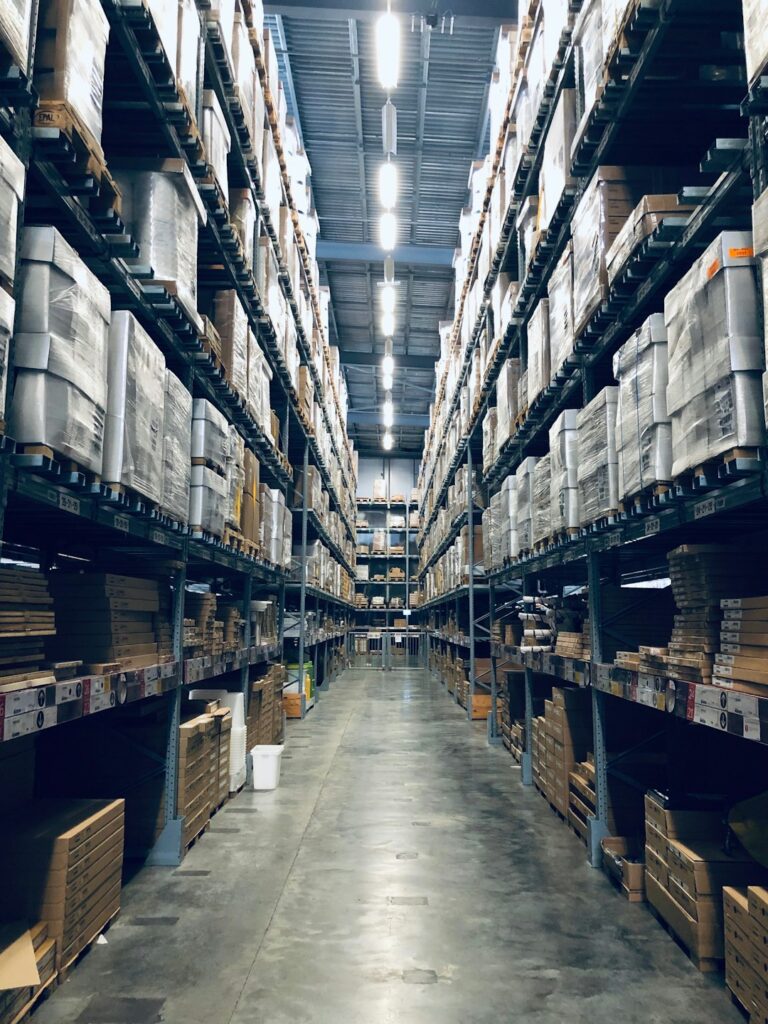
Managing the complexities of modern supply chains requires more than just manual tracking and spreadsheets. As businesses grow and customer expectations evolve, the need for efficient logistics management software becomes increasingly evident. This type of software helps organisations streamline their operations, improve delivery accuracy, and enhance overall productivity by automating many of the tasks once handled manually.
Logistics management software plays a vital role in coordinating the flow of goods, information, and resources throughout the supply chain. From order processing and inventory control to transportation scheduling and warehouse management, it provides a centralised platform to oversee and optimise every aspect of logistics operations. This integration allows for real-time visibility, enabling businesses to make informed decisions quickly and efficiently.
For companies dealing with high volumes of shipments or managing multiple distribution centres, the benefits of implementing a robust software solution are substantial. It reduces the risk of human error, shortens delivery times, and cuts operational costs by providing accurate data and predictive analytics. Additionally, features such as automated route planning and load optimisation ensure that transport resources are used effectively, reducing fuel consumption and environmental impact.
An important advantage of using logistics management software is the ability to enhance customer satisfaction. With real-time updates on order status, estimated delivery times, and proactive communication, customers are kept informed throughout the entire delivery process. This transparency builds trust and can lead to increased customer loyalty, which is essential in today’s competitive marketplace.
Another critical component of logistics software is its ability to support compliance and safety. By tracking vehicle maintenance schedules, driver hours, and safety regulations, businesses can ensure they remain compliant with industry standards and legal requirements. This not only reduces liability but also promotes a culture of safety within the organisation.
Integration with other business systems, such as customer relationship management (CRM) and enterprise resource planning (ERP) platforms, further enhances the value of logistics management software. Seamless data sharing across departments minimises duplication of effort and ensures that everyone has access to consistent and up-to-date information. This collaborative environment supports strategic planning and helps businesses respond more effectively to market changes.
Smaller businesses may hesitate to adopt such systems due to cost concerns or perceived complexity, but scalable solutions are available to suit operations of all sizes. Cloud-based platforms, in particular, offer flexibility and lower upfront investment, making them accessible even to startups and small enterprises. These solutions can grow with the business, adding features and capabilities as needed without requiring a complete overhaul.
Furthermore, the advent of mobile technology in logistics management has revolutionised how teams operate in the field. Mobile apps allow drivers and warehouse staff to update statuses, capture signatures, and access route information on the go. This connectivity ensures that the information entered into the system is timely and accurate, reducing delays and improving overall efficiency.
Training and user adoption are crucial to the successful implementation of any new software. Companies must invest in proper onboarding and provide ongoing support to ensure that staff are comfortable using the system. When users understand the benefits and functionality of the software, they are more likely to embrace it and use it to its full potential.
In addition to operational improvements, robust data reporting and analytics tools included in logistics management platforms allow businesses to review performance metrics and identify areas for improvement. Whether it’s tracking delivery times, analysing transportation costs, or assessing supplier reliability, these insights empower businesses to make strategic, data-driven decisions.
To explore how digital tools can improve logistics and workplace safety, visit this transportation and compliance solutions resource. Embracing technology in logistics is no longer optional for businesses seeking to stay competitive. With the right software in place, companies can optimise their supply chain operations, reduce costs, and provide better service to their customers.