
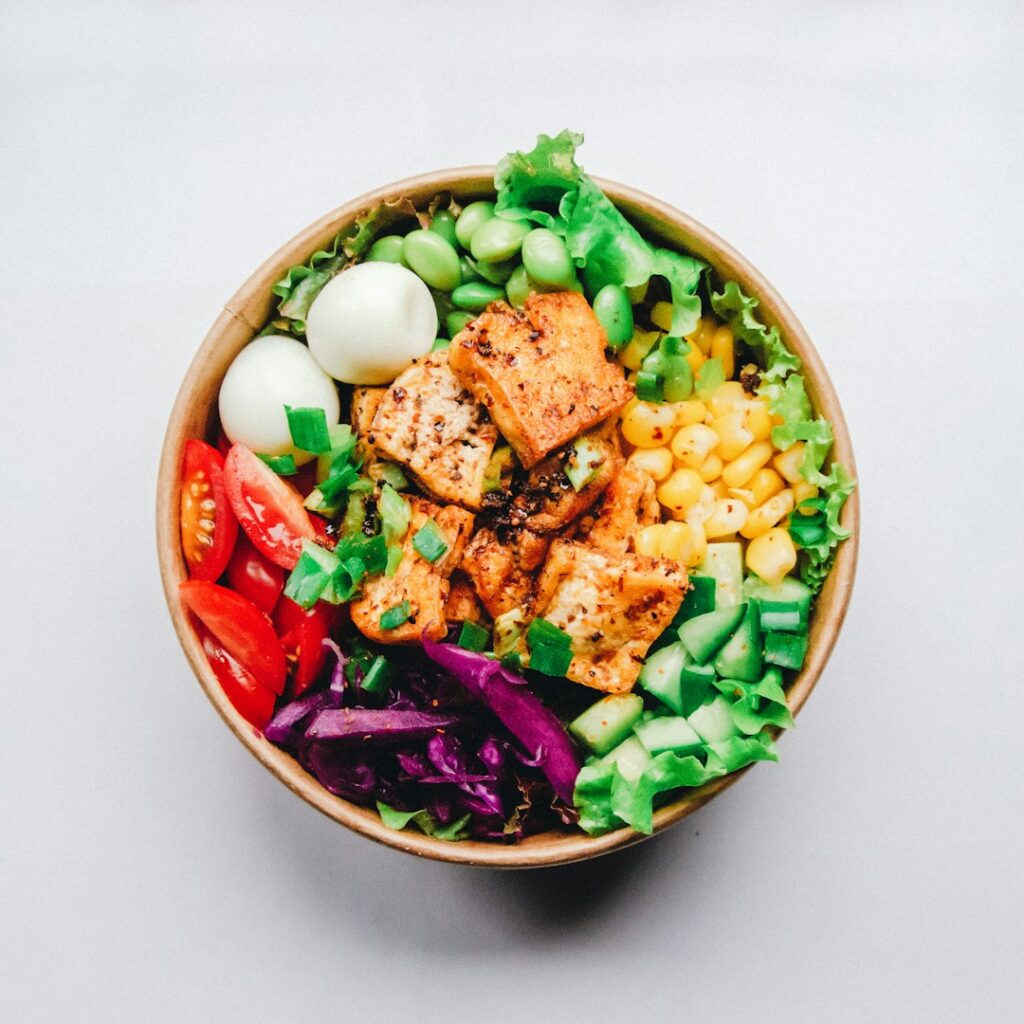
Feeling bloated after eating can be more than just uncomfortable; it can disrupt your day and make simple meals stressful. Bloating often comes from how food interacts with your digestive system, stress levels, or underlying gut issues. Choosing the right foods can ease that tightness and help your stomach settle faster.
Start by focusing on foods that don’t overload your digestive system. Low-FODMAP items like bananas, white rice, and oats are less likely to ferment in your gut and cause gas. For example, a simple breakfast of oatmeal topped with banana slices can be gentle on your stomach and reduce the chance of swelling. Ginger tea is another practical choice, it has mild anti-inflammatory effects and can ease digestion when sipped slowly.
Hydration shouldn’t be overlooked. Drinking enough water helps flush out excess salt, which often contributes to puffiness. Herbal teas such as peppermint or chamomile not only keep you hydrated but also calm the digestive tract. Many people find that a cup of peppermint tea after meals helps ease lingering discomfort and supports smoother digestion.
Probiotics also deserve attention for gut comfort. Yogurt with live cultures and fermented veggies like sauerkraut or kimchi introduce beneficial bacteria that aid digestion. These microbes can help break down food more efficiently, reducing gas and bloating. Adding a serving of probiotic-rich yogurt to your daily diet is a straightforward way to support your gut’s balance.
Fiber intake requires careful adjustment. Soluble fiber from carrots or sweet potatoes tends to regulate digestion without causing excess gas. In contrast, insoluble fiber found in whole grains might irritate sensitive digestive systems and worsen bloating for some. It’s helpful to track how different fibers affect you personally and adjust accordingly.
If bloating continues despite these changes, consulting a nutrition professional who understands digestive health can offer personalized advice. They can identify specific triggers or imbalances that general guidelines don’t cover. For those wanting more detailed strategies, check out best foods to eat when bloated for practical recommendations.
Eating habits also matter. Eating smaller portions and slowing down while chewing allows your body to process food better, which can lessen bloating. Often, rushing through meals leads to swallowing air, adding unnecessary pressure inside your abdomen.
Lastly, consider lifestyle factors outside of diet. Regular physical activity promotes bowel movements and relieves gas buildup. Techniques like deep breathing or mindfulness can reduce stress-related digestive symptoms. For further reading on how nutrition ties into overall wellness, visit gut health meal planning tips.