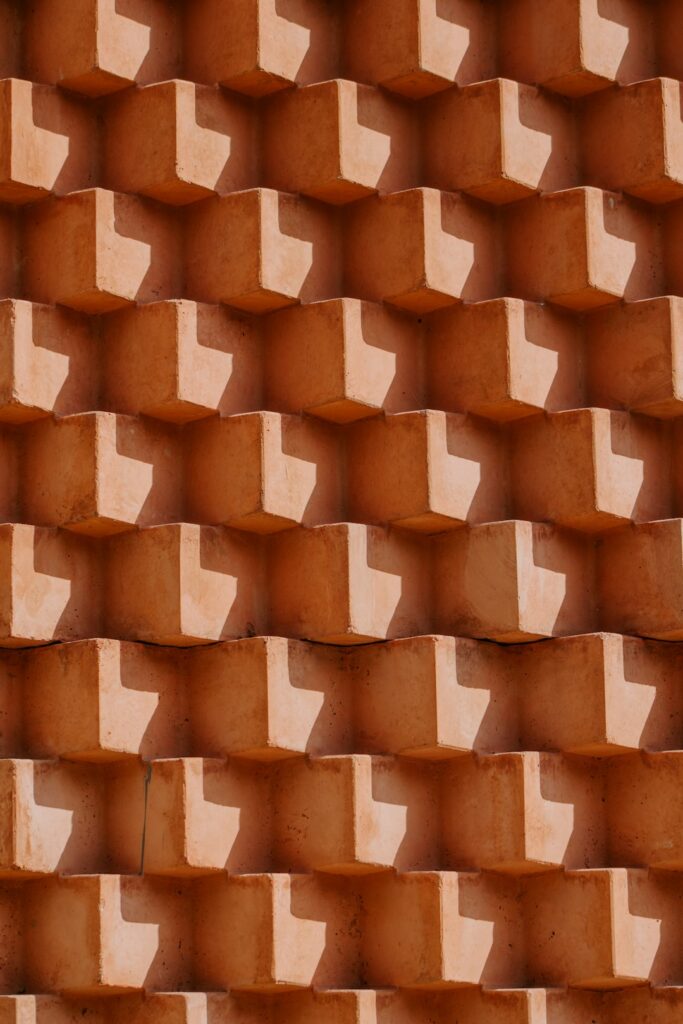
Hand crafted bricks have long held a place in architectural history, offering both aesthetic appeal and structural integrity. Unlike mass-produced counterparts, these bricks are shaped and finished by skilled artisans, often using traditional methods passed down through generations. The result is a product with unique textures, subtle colour variations, and a tactile quality that machine-made bricks cannot replicate. As modern architecture increasingly blends tradition with innovation, hand crafted bricks are finding renewed relevance in contemporary building projects.
One of the distinguishing features of hand crafted bricks is their individuality. Each brick carries slight variations that contribute to a structure’s character. This is particularly valuable in residential builds, where homeowners seek materials that will give their property a distinct and timeless appearance. Whether used for a rustic farmhouse or a more refined urban townhouse, hand crafted bricks allow designers to work with a material that adds warmth and authenticity to any façade.
In addition to their visual charm, these bricks are appreciated for their durability. Made using high-quality clays and fired at precise temperatures, hand crafted bricks often exceed the performance of standard bricks in terms of weather resistance and longevity. This makes them a practical choice for exterior walls, garden features, and even interior design elements like fireplaces and feature walls. Their natural composition also makes them a sustainable option for those looking to reduce the environmental impact of their construction projects.
The tactile nature of hand crafted bricks also plays a key role in their appeal. The slight imperfections and textured surfaces invite touch and engagement, fostering a sense of connection between the building and its occupants. In an age where so many aspects of construction are digitised or automated, the presence of a manually crafted element can bring a sense of grounding and human scale to a space. This is particularly evident in heritage restorations and bespoke new builds, where the selection of materials is critical to the overall feel of the project.
For architects and builders looking to incorporate unique materials into their designs, hand crafted bricks offer a versatile and visually compelling option. They can be used to complement historic styles or to add texture and contrast to minimalist modern forms. The wide range of colours, shapes, and finishes available allows for flexibility in design, whether the goal is to match an existing structure or to create something entirely new. Because each brick is made by hand, there is also the opportunity for customisation, enabling truly bespoke outcomes.
Beyond aesthetics and performance, the story behind hand crafted bricks adds intangible value to a project. Knowing that the materials were produced by artisans who take pride in their craft can deepen the emotional connection to a building. This narrative quality is often sought by clients who value authenticity and craftsmanship, and it can play a role in elevating a property’s overall appeal. It is not uncommon for projects that use hand crafted bricks to become landmarks in their communities, admired not just for their design but also for the care evident in their construction.
In commercial and public buildings, hand crafted bricks can be used to convey a sense of permanence and respect for tradition. Their presence in educational institutions, civic centres, and cultural venues speaks to a desire for longevity and integrity in the built environment. While they may represent a higher initial investment compared to mass-produced bricks, the long-term benefits in terms of durability, maintenance, and aesthetic value often justify the cost.
For those interested in exploring the full range of options available, more information about artisan techniques and material selection can be found through this brick supplier resource. These resources can help guide decisions about colour palettes, mortar choices, and layout patterns, ensuring that every element of the build aligns with the desired outcome.
As the demand for meaningful and enduring design continues to grow, hand crafted bricks are well positioned to remain a valued material in both traditional and contemporary architecture. Their blend of beauty, function, and story makes them more than just a building component—they become a defining feature of the spaces they shape.