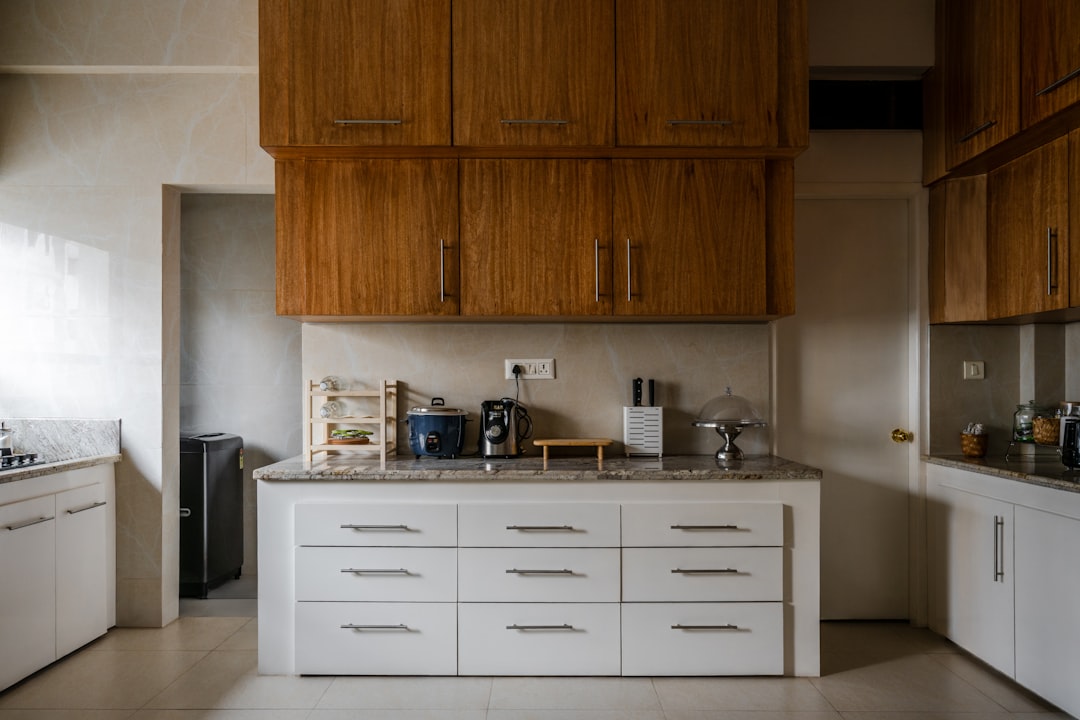
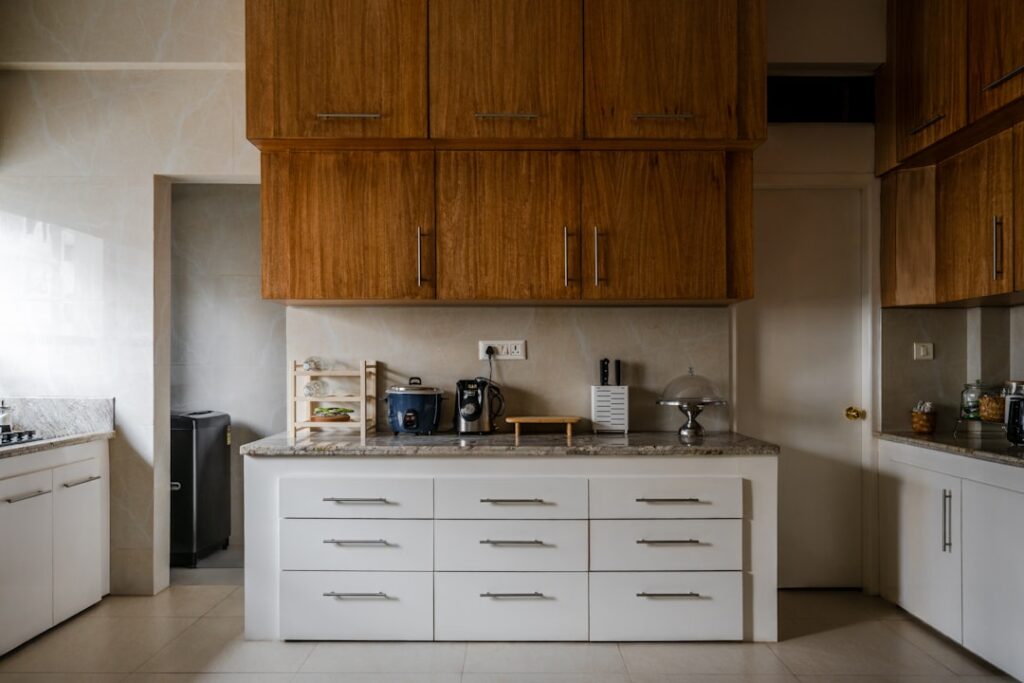
Cabinetry hardware often sets the tone for a kitchen’s look and feel. The handles and knobs you pick don’t just serve a purpose; they shape how the space communicates style and function. For example, sleek, simple pulls work well in modern kitchens, matching clean lines and minimal fuss. In contrast, a rustic kitchen benefits from knobs with an aged or handcrafted feel, adding to its cozy, lived-in vibe. Getting the right hardware means balancing how it looks with how it works every day.
Material choice matters more than many realize. Stainless steel remains popular because it stands up to wear and moisture without rusting, making it a solid pick for a kitchen that gets heavy use. But finishes like matte black or brushed brass can lift a design, offering striking contrast against pale cabinets or wood tones. Size also counts, large pulls can dominate small cabinet fronts and look out of place, while tiny knobs might disappear on big drawers. Matching scale to cabinet dimensions avoids awkwardness.
Installation methods vary quite a bit. Some handles come with backplates requiring extra holes; others mount flush with just two screws. This affects how easy it is to swap hardware later on. Many homeowners find it saves hassle to pick new pieces that fit existing holes, especially during renovations where drilling new holes risks damaging cabinet surfaces or misaligning components.
Functionality goes beyond looks. Soft-close drawer slides paired with ergonomic knobs or handles make opening and closing smoother and quieter, reducing noise and wear over time. This is especially handy in kitchens where multiple people move around at once. A handle’s shape matters too, rounded edges and comfortable grips prevent finger strain when pulling heavier doors or drawers regularly.
Business owners face specific challenges when updating cabinetry hardware. A café owner updating their kitchen might want hardware that matches their brand’s character while supporting efficient workflow behind the scenes. The right hardware can subtly influence customer perception by complementing the overall atmosphere without interfering with daily tasks. Choosing pieces that blend style with practicality helps maintain a professional yet welcoming environment.
Retailers stocking cabinetry hardware know trends shift quickly. Offering finishes like gold tones or matte black options draws attention and meets varied customer tastes. Displaying both contemporary and traditional styles side by side gives shoppers clear choices and helps them imagine how different hardware changes a kitchen’s mood. Practical details like showing installation guides or highlighting which pieces reuse existing holes can reduce returns and complaints.
A common pitfall is ignoring how hardware fits with cabinet door design and material. For instance, glass-front cabinets need delicate, low-profile knobs to avoid overshadowing the display inside. Wood cabinets with intricate carvings call for simpler hardware to prevent visual clutter. Checking door thickness is another practical step; some handles require a certain thickness for stable mounting, so measuring first can prevent last-minute surprises.
Many installers keep a small notebook or digital record with measurements, hole placement, and preferred finishes for each project. This habit cuts down on ordering mistakes and speeds up future updates or repairs. Communication between designers, installers, and homeowners also matters, a quick sketch or photo showing hole locations saves confusion and rework.
Choosing kitchen cabinetry hardware isn’t just about looks or budget; it’s about finding pieces that fit your kitchen’s rhythm and demands. Whether updating a home kitchen or outfitting a commercial space, investing effort into selecting durable, stylish hardware pays off in daily comfort and overall appeal. Visit kitchen cabinetry hardware to explore options tailored to different styles and practical needs. For a broader view of kitchen upgrades, check out .