
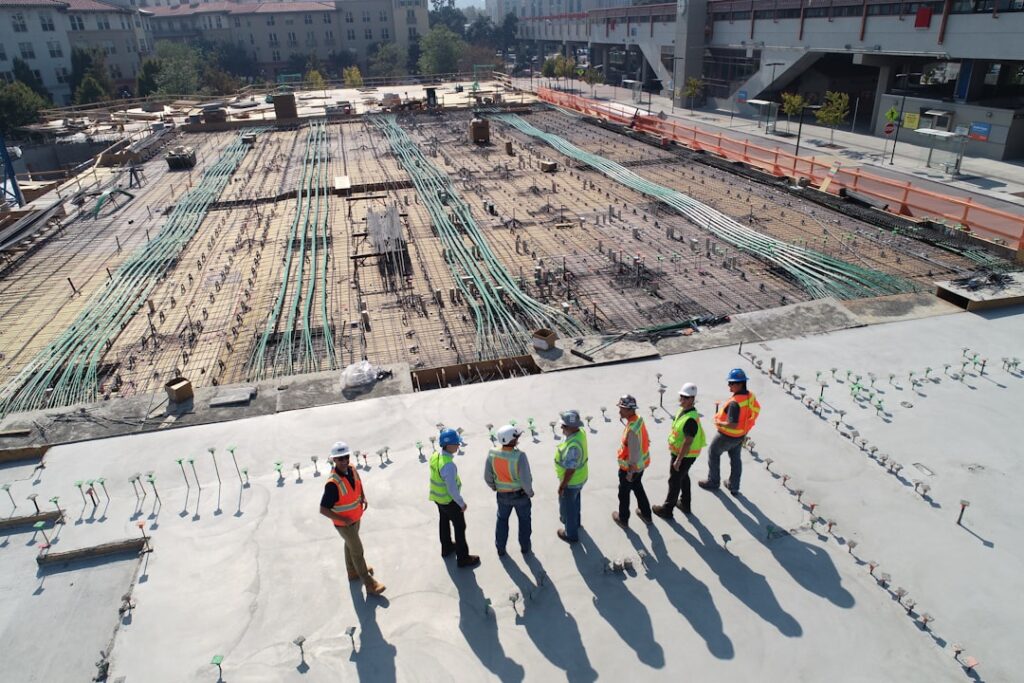
Professional engineering consulting plays a pivotal role in shaping the built environment, streamlining complex processes, and introducing cutting-edge solutions across multiple industries. From infrastructure and manufacturing to energy and transportation, engineering consultants bring specialized expertise that empowers organizations to innovate effectively while managing risk and optimizing performance.
At its core, engineering consulting is a service that offers technical advice, problem-solving, and project management tailored to a client’s specific needs. These services can be instrumental for both private companies and public agencies that lack the internal resources or knowledge required to execute complex technical projects. Consultants bridge this gap by applying a deep understanding of engineering principles, codes, and standards to deliver safe, efficient, and sustainable solutions.
One of the primary advantages of hiring professional engineering consultants is their objectivity and ability to provide fresh perspectives. By working across different sectors and projects, consultants accumulate a wealth of experience that enables them to identify potential issues, propose innovative alternatives, and implement best practices. This versatility is especially valuable in today’s fast-evolving technological landscape where adaptability and foresight are critical to success.
For example, in the early stages of a construction or infrastructure project, engineering consultants can assist with feasibility studies, cost estimation, and risk assessments. Their involvement ensures that a project is viable from both a technical and financial standpoint before significant resources are committed. As the project progresses, consultants may oversee design specifications, regulatory compliance, and quality control, ensuring that the final result meets all performance and safety standards.
The scope of professional engineering consulting extends beyond traditional construction or civil engineering roles. In industries like renewable energy, consultants are instrumental in optimizing system designs, integrating sustainable practices, and advising on regulatory frameworks. Their input can significantly improve the environmental impact and long-term viability of energy projects. Similarly, in manufacturing, engineering consultants help streamline operations, reduce waste, and implement automation technologies that enhance productivity.
One area where engineering consulting continues to evolve is in digital transformation. The integration of technologies such as BIM (Building Information Modeling), IoT (Internet of Things), and AI (Artificial Intelligence) is reshaping how projects are planned, executed, and maintained. Consultants who understand these tools can guide clients through digital adoption, ensuring they gain competitive advantages while maintaining compliance and security.
A key factor in successful consulting engagements is communication. Effective consultants not only possess technical expertise but also excel at translating complex engineering concepts into actionable strategies for stakeholders. This clarity helps build trust and ensures that all parties are aligned throughout the project lifecycle.
Organizations seeking expertise in areas such as structural analysis, mechanical systems, or environmental impact assessments can benefit significantly from professional engineering consulting. Whether the goal is to improve efficiency, meet compliance standards, or develop cutting-edge products, consultants provide the insight and guidance necessary to navigate technical challenges effectively.
Collaboration with the right consulting firm can also lead to long-term partnerships that support an organization’s strategic objectives. By developing a deep understanding of a client’s operations and goals, consultants can deliver more personalized services that evolve over time. This level of engagement often results in better project outcomes, higher return on investment, and enhanced operational resilience.
In addition to technical support, engineering consultants also play a role in workforce development and training. Their experience with the latest tools and methodologies can be shared with in-house teams, fostering knowledge transfer and skill development. This not only strengthens internal capabilities but also promotes innovation and continuous improvement within the organization.
Navigating the landscape of technical regulations, safety standards, and performance benchmarks can be daunting without expert guidance. That’s why partnering with a firm that specializes in delivering reliable engineering solutions, like those found at engineering design resources, is essential. These firms offer comprehensive support that aligns with both project-specific requirements and broader industry trends.
Ultimately, professional engineering consulting is about more than just solving problems. It’s about creating value through strategic thinking, technical excellence, and a commitment to client success. As industries continue to face new challenges and opportunities, the role of engineering consultants will remain crucial in driving innovation and ensuring project success.