
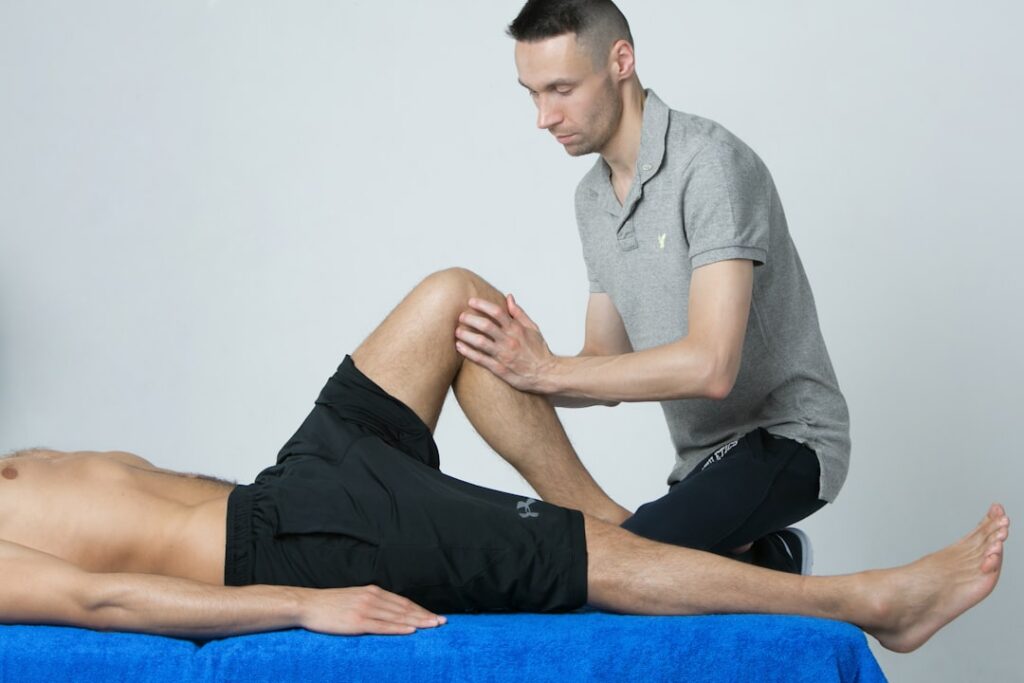
Shoulder pain when lifting your arm isn’t just uncomfortable, it often signals a rotator cuff injury. These injuries usually come from repeated overhead actions, common in sports like tennis or occupations involving constant lifting. The rotator cuff muscles stabilize your shoulder and allow smooth movement, but damage here can severely limit daily function. Physiotherapy targets these muscles with focused exercises to rebuild strength and enhance flexibility. Before starting, a physiotherapist will assess your shoulder’s range of motion and muscle strength to create a tailored plan that suits your specific condition.
Treatment often includes manual therapy, where the therapist uses hands-on techniques to ease muscle tightness and improve joint mobility. Ultrasound therapy is another option; it uses sound waves to encourage tissue repair beneath the skin. For example, in cases of a partial tear from repetitive strain, combining strengthening exercises with ultrasound can speed up healing and reduce inflammation. Therapists also monitor progress closely and adjust exercises to prevent aggravating the injury, avoiding common mistakes like pushing into pain which can delay recovery.
Physiotherapy isn’t just about physical treatments. Education forms a big part of the process. A physiotherapist will explain how poor posture or improper lifting can worsen your shoulder problem. They’ll often demonstrate safer ways to perform daily tasks, such as how to reach overhead without straining the joint. These practical tips help reduce setbacks and teach you how to protect your shoulder long-term, something many patients overlook until pain returns.
If you can’t make it to a clinic regularly, telehealth sessions offer a practical alternative. Through video calls, therapists guide you through exercises and check your technique in real time. This setup also lets them update your program based on your feedback and any changes in symptoms. It’s not just convenient, it keeps your recovery on track even if travel or scheduling is difficult.
Choosing the right physiotherapist can be confusing. A good starting point is discussing your symptoms with your general practitioner, who can recommend professionals experienced with shoulder injuries. Physios often ask detailed questions about your pain’s onset and patterns, which helps avoid misdiagnosis, a common problem when patients assume all shoulder pain is rotator cuff related. Clear communication here prevents wasted time on ineffective treatments.
Insurance coverage for physiotherapy varies widely. Some patients assume all treatments are fully covered, only to find certain therapies or the number of sessions require out-of-pocket payments. Checking policy details early helps avoid surprises that can interrupt care. Many clinics also provide cost estimates upfront and may suggest alternative exercises if finances are tight.
Understanding what rotator cuff physiotherapy involves can make a real difference in recovery speed and success. Whether you want to get back to sports or simply move without discomfort, working with a skilled physiotherapist is key. For specific treatment options and programs designed for shoulder issues, explore our rotator cuff physio offerings.
Physiotherapy equips you with tools to manage your health beyond the injury itself. Engaging regularly in prescribed exercises, paying attention to posture, and avoiding sudden heavy lifting protect your shoulder from future problems. If you want to discuss treatment options or ongoing care plans, visit shoulder injury rehabilitation advice.