
For a first visit to a cocktail bar midtown, look beyond the drink names. Note whether the menu leans toward spirit-forward classics, tall drinks with soda or juice, or house combinations that may be unfamiliar to the group. Alcohol by volume, or ABV, indicates the concentration of alcohol, but it does not tell you how sweet, dry, bitter, or filling a drink will taste. Serving size matters as well. A small, stirred cocktail can feel more concentrated than a tall drink even when both contain a similar base spirit. If preferences differ, ask the bartender for one crisp option, one citrus-led drink, and one gentler direction rather than ordering several surprises at once.
Dilution is one of the most useful pieces of cocktail knowledge for a guest. Ice cools the drink, but melting ice also adds water, which softens the alcohol and helps separate the flavors. Bartenders influence that result through the size and condition of the ice, the temperature of the ingredients, and whether a drink is stirred or shaken. Large cubes generally melt more slowly than small pieces, while shaking adds both chilling and some aeration. A Manhattan-style drink that tastes firm and rounded may have been diluted correctly, not left overly strong. A shaken sour can lose its intended brightness if too much water enters the glass. The test is balance, not temperature alone.
Balance involves several sensations working together. Citrus brings acidity, sugar rounds sharp edges, bitterness creates a drier finish, and salt can make certain fruit or savory notes seem more pronounced. Guests often describe the symptom instead of the preference: one person says a drink is harsh when they mean bitter, while another calls a cocktail too strong when they dislike its dryness. Plain language gives the bartender something useful to work with. Say that you want less sweetness, more acidity, a softer finish, or a lighter drink. Naming a preferred spirit helps, but it does not replace describing the flavor and intensity you want.
Pacing deserves attention before the first order is placed. Cocktails made with several components, fresh citrus, or detailed garnishes take longer during a busy service, and a large order may not reach the table together. Start with one drink per person, then see how quickly the group settles and how much time remains before the next appointment. If dinner is part of the plan, order shareable dishes early enough that they arrive while the first drinks are still being enjoyed. A useful habit is to photograph or save the current menu before arriving, then mark possible food choices in advance. That small step reduces repeated phone searches at the table.
Food should inform the drink order rather than follow it as an unrelated decision. Rich or fatty dishes can make a sharp drink seem cleaner, while salty food may increase the impression of sweetness. Aromatics also affect perception. Citrus peel, herbs, spices, and expressed oils release scents that shape what the drink seems to taste like before the first sip. At a venue serving cocktail and small plates, ask whether a dish is mild, spicy, rich, or particularly salty before pairing it with a drink. A fragrant peel may suit a spirit-forward order, while fresh herbs and bright citrus often fit lighter food more comfortably.
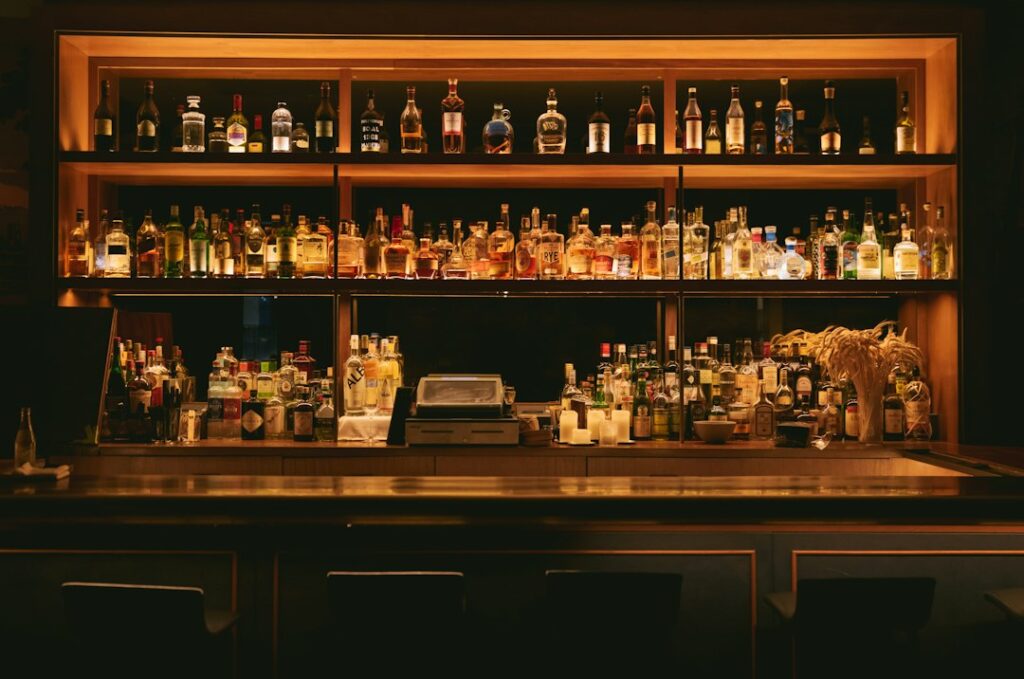
The room can determine whether the evening works as well as the menu. A visually distinctive setting, including an Andy Warhol themed interior, may suit a celebration or a first date, but appearance does not guarantee comfortable conversation. If everyone needs to hear one another, request a table away from the loudest speakers or the busiest walkway. If someone uses a mobility aid, needs a quieter seat, or has a firm departure time, ask about those details before arrival. Staff can give more useful guidance when the request is specific. A reservation note or short phone call also avoids moving the group after drinks have already been ordered.
Keep the later part of the evening flexible. Water between drinks helps the group slow down, and one guest should be able to stop after a single round without creating pressure to continue. Check the bill before leaving, particularly if several people shared food or if one person covered the first order. A quick note in the group chat about which drinks were too sweet, too bitter, or more intense than expected makes the next outing easier to plan. The practical standard is simple: the drinks, food, timing, and seating should support the people who are actually present, not an imagined night that the menu photos suggested.