
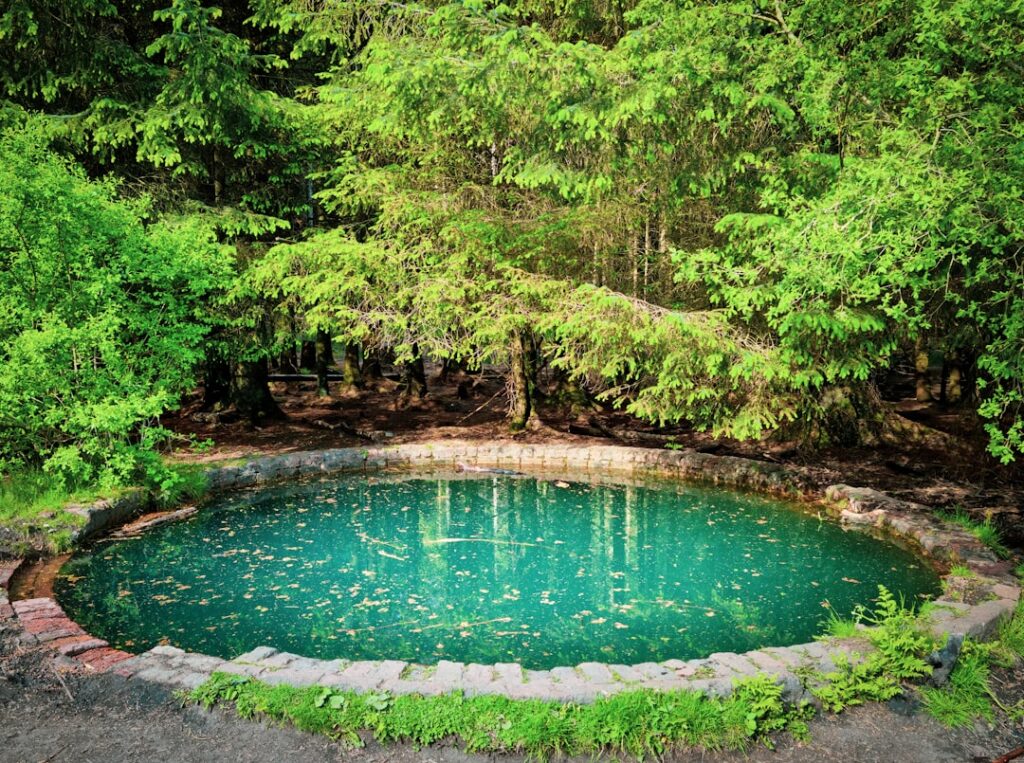

Choosing materials and plants requires more than picking what looks good. Non-native species might seem appealing but can outcompete local flora and disrupt the pond’s balance. Opt for native aquatic plants like pickerelweed or water lilies that thrive in Ontario’s climate. These plants support insects, frogs, and birds while helping maintain water quality naturally. Gravel and stone selections also matter; avoid materials that leach harmful substances or retain too much heat, which stresses fish and amphibians.
A filtration system often gets overlooked by those hoping nature will handle everything. In reality, mechanical and biological filters keep water clear and reduce buildup of debris and toxins. Properly sized pumps ensure water circulates effectively, preventing stagnant areas where mosquitoes breed. Many pond owners find that investing in decent equipment upfront cuts down on frequent manual cleanings later.
Seasonal shifts present their own hurdles. Winter ice can suffocate fish if the pond freezes solid. Installing an aerator or heater to keep a hole open in the ice helps oxygen circulate beneath the surface. Removing fallen leaves in autumn prevents decay that would otherwise lower water quality over winter. Routine checks on pumps and filters before the cold sets in are a practical habit that avoids unexpected failures when maintenance is hardest.
Local regulations also influence pond planning. Some municipalities require permits for water features above a certain size or have rules about attracting wildlife. Consulting with local conservation authorities early ensures compliance and prevents costly modifications after construction starts. It’s common to see confusion about these rules, so having written confirmation on hand aids communication with contractors and inspectors.
Many who have completed ponds report transformations that go beyond aesthetics. The space becomes a personal retreat that reflects careful choices about ecology and design. They note how native plants attract dragonflies and frogs, creating a balanced environment where maintenance stays manageable. Seeing birds visit regularly turns a pond from a simple feature into a lively habitat, rewarding patience through each season’s changes.
If you’re serious about adding a pond, consider reaching out for guidance from professionals experienced in pond construction ontario. They can walk you through soil testing, plant selection, and equipment setup tailored to your property. Their advice often includes tips like marking underground utilities before excavation and scheduling work during dry periods to avoid erosion problems.
Don’t overlook resources available through organizations like local conservation groups or gardening clubs either. They offer practical advice on native species and seasonal care, plus community insights based on real experience. A reliable source for ongoing support can make all the difference as your pond matures.
Ultimately, creating a pond is about more than adding water to land. It’s about shaping a space where nature thrives alongside your lifestyle choices. Thoughtful planning paired with grounded knowledge helps you build a backyard feature that’s both beautiful and resilient, rewarding your effort for years to come. For more information on sustainable garden projects, visit ontario natural landscaping tips.