
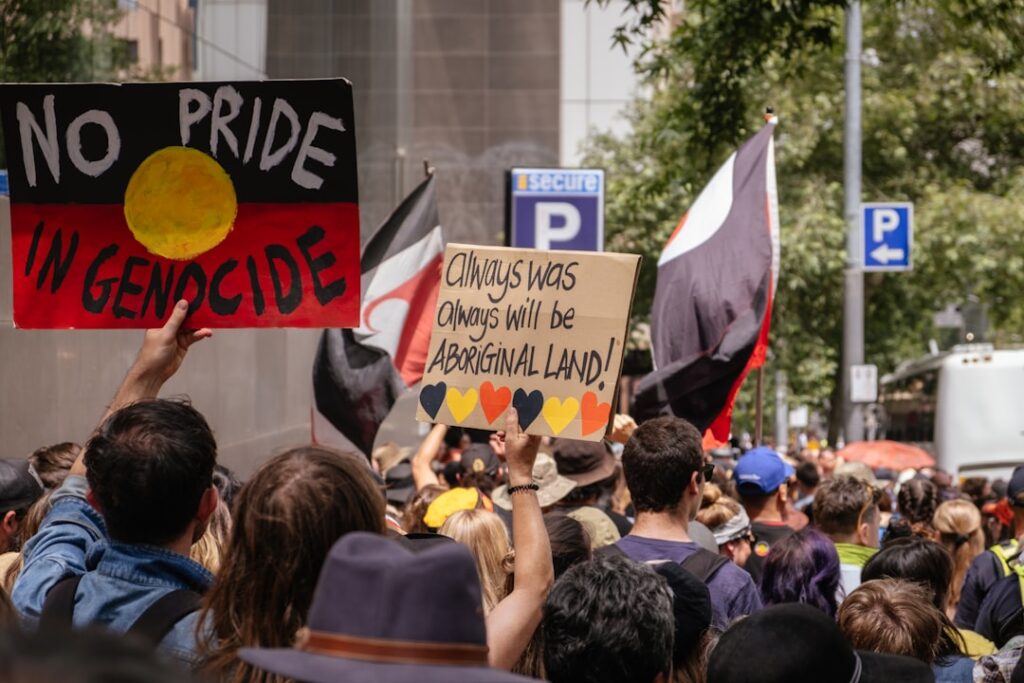
Aboriginal cultural heritage is a living expression of the oldest continuing culture on Earth. It encompasses not only physical artefacts and sacred sites but also oral traditions, languages, customs and spiritual beliefs that have been passed down for tens of thousands of years. In Australia, Aboriginal heritage is deeply entwined with the land, with each region holding stories, songlines and ancestral connections that define identity and belonging for Aboriginal peoples.
The significance of Aboriginal cultural heritage extends far beyond archaeological interest. It represents a profound relationship between communities and Country, where Country is not just a physical place but a source of life, law, and spirituality. This understanding of land as a living, interconnected entity underpins many Aboriginal worldviews. Sacred sites, such as rock art shelters, ceremonial grounds, and burial locations, are often part of larger cultural landscapes that carry meaning far beyond the visible features.
Preserving this heritage is essential, not only for Aboriginal communities but for the broader national identity. Yet, despite its importance, Aboriginal heritage in Australia faces ongoing threats from land development, mining, and inadequate legal protection. The destruction of sacred sites, even in recent years, has highlighted the urgent need for stronger frameworks and genuine consultation with Traditional Owners. Engaging ethically and respectfully with communities is essential to ensure heritage is protected in a way that honours its cultural significance.
Efforts to protect and manage Aboriginal heritage require collaboration between Indigenous knowledge holders and heritage professionals. In this context, aboriginal cultural heritage consulting services play a vital role. These services combine archaeological expertise with cultural awareness, helping to assess, document and manage heritage places in accordance with both statutory requirements and community values. Proper heritage assessments can inform planning decisions, ensuring developments proceed without compromising irreplaceable cultural landscapes.
Education and awareness are also key to fostering greater appreciation and respect for Aboriginal heritage. Public engagement initiatives, such as cultural walking tours, interpretive signage and school programmes, help bridge knowledge gaps and promote understanding. These activities not only celebrate Aboriginal culture but also challenge misconceptions and encourage respectful relationships between Indigenous and non-Indigenous Australians.
Language preservation is another critical aspect of cultural heritage. Many Aboriginal languages are at risk of extinction, yet they hold unique insights into the environment, social organisation and spiritual life. Revitalisation efforts, often led by community elders and linguists, aim to keep these languages alive through teaching, storytelling and digital archives. Language is more than communication; it is a vessel for cultural memory and identity.
The role of technology in heritage management has grown significantly in recent years. Digital mapping, 3D modelling, and drone surveys allow for more detailed recording of sites and landscapes. These tools can support community-led initiatives by providing accurate data that strengthens advocacy and cultural planning. However, the use of technology must always be guided by ethical considerations and respect for cultural protocols.
Support for Aboriginal cultural heritage must also include legal reform. Existing legislation varies by state and territory, often offering inconsistent levels of protection. Advocates have called for stronger national standards that prioritise Aboriginal voices and rights. True heritage protection involves not only preservation but also recognition of cultural authority, land rights and the right to self-determination in managing heritage resources.
For those looking to engage with or learn more about Aboriginal heritage, it is vital to seek out authentic sources and support initiatives led by Aboriginal people. Whether through heritage projects, educational programmes or community partnerships, respectful engagement can help ensure that cultural heritage is not only preserved but understood and valued. Reliable resources, such as heritage consulting services, provide pathways for individuals and organisations to contribute meaningfully to this work.
Ultimately, Aboriginal cultural heritage is not a relic of the past but a dynamic and evolving expression of identity, resilience and connection. Respecting and protecting this heritage requires ongoing commitment, open dialogue and a shared recognition of its enduring significance in Australia’s cultural landscape.