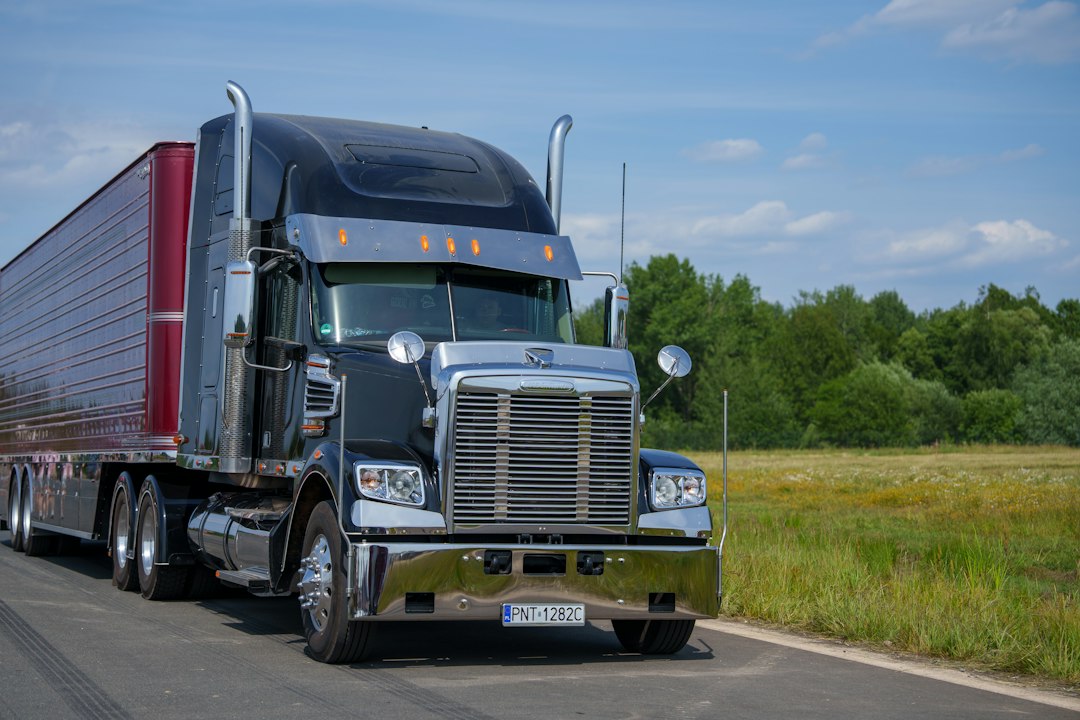


The root problem was relying on unsuitable equipment that doesn’t meet the demands of large commercial vehicles. Unlike passenger cars, heavy trucks require lifts designed to hold greater weight and provide steady support during precise tasks. That is where an alignment lift becomes essential.
Pantograph-style alignment lifts raise vehicles evenly by distributing the weight across multiple points. This design prevents wobbling or tipping while technicians adjust sensitive parts like wheel alignments or suspension components. These lifts usually come with features such as adjustable platforms and locking mechanisms that secure the vehicle firmly. Investing in this kind of equipment improves both safety and efficiency on the shop floor.
A common mistake is trying to work on alignments without the proper height adjustment. Technicians often end up crouching or lying on the ground to reach components, which leads to fatigue and increases the chance of mistakes or injury. With an alignment lift, the vehicle is raised to waist height, allowing for a more ergonomic working position. This reduces strain during long repair sessions and helps maintain focus.
Proper equipment doesn’t just improve comfort; it directly affects the quality of service. Accurate wheel alignment extends tire life and ensures better handling, which are critical for commercial vehicles that cover thousands of miles regularly. Using an inadequate lift can limit visibility and access to key parts, so important adjustments might be missed. An alignment lift provides clear sightlines and unrestricted access, making thorough inspections possible.
When selecting a lift for heavy-duty vehicles, businesses should look at several factors. Capacity is key, make sure the lift can handle the maximum weight expected. Lift height options allow servicing different vehicle sizes comfortably. The platform size and adjustability also matter because commercial vehicles vary widely in dimensions. Regular maintenance of the lift itself is another practical detail; technicians should check hydraulic fluid levels and inspect mechanical parts daily to avoid downtime.
Workshops often keep detailed logs of equipment inspections and repairs, which help track performance and spot wear early. Communication between team members about the status of lifts prevents surprises during busy shifts. For example, if someone notices unusual noises or slow movements in the lift, reporting it immediately helps prevent breakdowns that disrupt schedules.
Switching from standard lifts to specialized models designed for commercial vehicles can make a significant difference in daily operations. Shops equipped with appropriate alignment lifts can handle a wider range of vehicles safely and faster. Those interested in upgrading their service bays can explore different models available today at commercial vehicle lift options.