
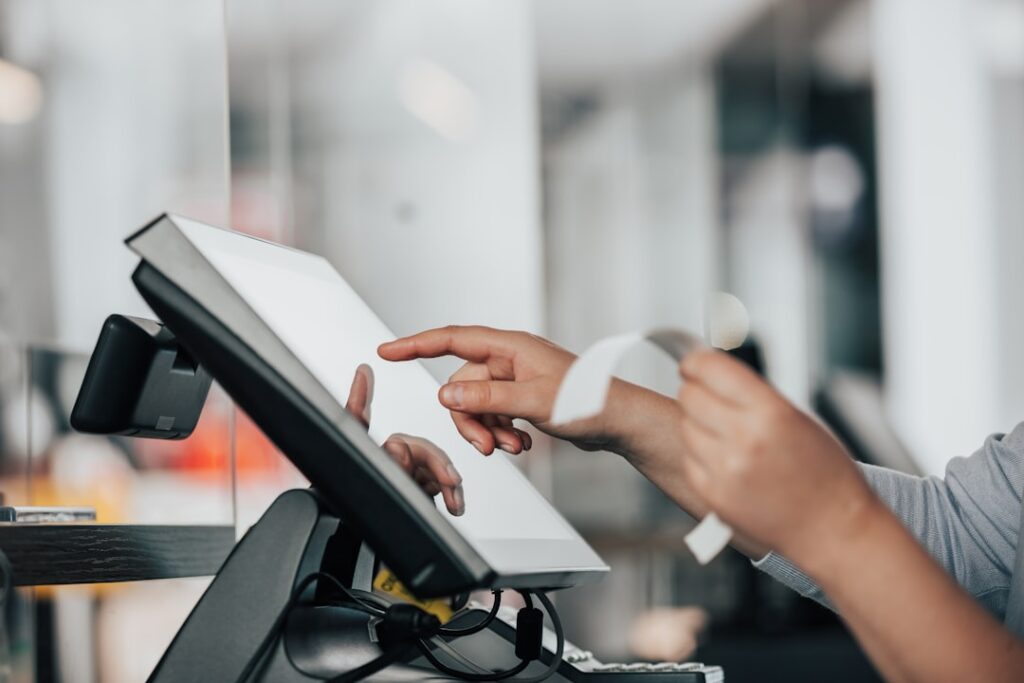
In today’s fast-paced retail and logistics environments, the ability to quickly and accurately track products is more important than ever. Barcode scanners have become an integral part of operations for businesses both large and small, streamlining processes and reducing the likelihood of human error. Whether you are managing inventory in a warehouse or processing sales at a retail counter, these devices play a critical role in operational efficiency.
A barcode scanner works by capturing and interpreting the data encoded in barcodes, which are typically printed on product packaging. These codes contain essential information such as product type, price, and stock levels. The scanner reads the code and transmits the data to a computer system, allowing for instant access to the product’s details. This not only speeds up the checkout process but also ensures accurate record-keeping.
There are several types of barcode scanners available today, each suited to different environments and needs. Handheld scanners are commonly used in retail settings and offer the flexibility of mobility. Fixed-mount scanners, on the other hand, are typically used in industrial environments where items pass by on a conveyor belt. Wireless scanners allow for even more mobility and are ideal for large warehouses or inventory management on the go.
Choosing the right barcode scanner depends on factors such as the volume of scans, the environment, and the types of barcodes being read. For example, 1D barcodes are the traditional linear codes, while 2D barcodes like QR codes store more information and require imaging scanners capable of reading them. The growing use of 2D barcodes, especially in healthcare and manufacturing, has led to increased demand for more sophisticated scanning devices.
Another important consideration is integration. Many businesses seek barcode scanners that can easily connect with existing point-of-sale or inventory systems. This reduces downtime and ensures a smooth transition when upgrading or expanding scanning capabilities. For those looking to explore a wide range of options, this barcode scanner site offers a selection tailored to various business needs.
Barcode scanners are not limited to retail and warehousing. They are also widely used in healthcare, where patient safety and accurate record-keeping are paramount. Scanning patient wristbands, medication labels, and lab samples helps reduce errors and improve patient outcomes. In the transportation and logistics sector, barcode scanners help track shipments, manage fleet operations, and ensure timely deliveries.
Maintenance and durability are also key factors in scanner selection. Devices used in industrial or outdoor settings must withstand harsh conditions, including dust, moisture, and temperature extremes. Many scanners are built with rugged casings and sealed components to ensure long-term reliability. Battery life and ease of charging are additional considerations for wireless models.
Training staff to use barcode scanners effectively is essential for maximizing their benefits. Fortunately, most modern scanners are user-friendly and require minimal training. Visual and audio feedback confirm successful scans, and many models feature ergonomic designs to reduce fatigue during extended use. Proper implementation and routine maintenance can extend the lifespan of scanners and maintain high productivity levels.
As businesses continue to adapt to changing consumer demands and technological advancements, barcode scanners remain a cornerstone of efficient operations. Their versatility, reliability, and ease of use make them a smart investment for companies looking to enhance accuracy and speed across their processes. For more information on selecting the right equipment, check out this resource on scanning technology and discover how to improve workflow efficiency.