

Training should cover more than a straight-line walk. A structured 11-week course, for example, may combine movement, posture, expression, camera awareness and preparation for industry settings. If you want to become a professional model, treat instruction as guided practice, not a promise of paid work. Ask what exercises are included, how feedback is delivered and whether the programme addresses both physical presentation and professional conduct. The useful outcome is a clearer understanding of your strengths, the areas needing work and the standards you must meet at a casting or booking.
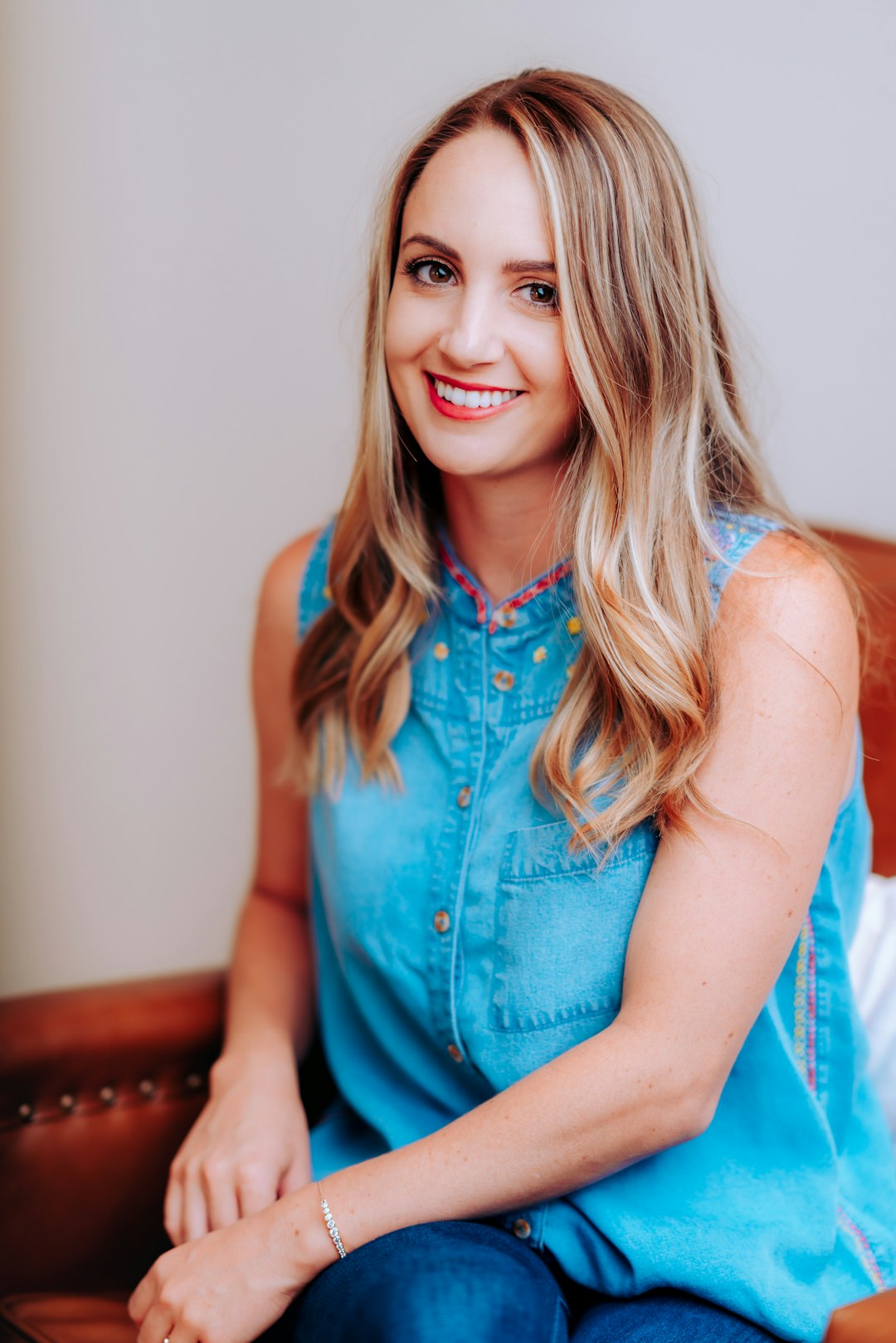
A portfolio should show range and consistency rather than simply collect flattering selfies. It might include different expressions, styling choices, poses, lighting conditions and compositions that reveal how you respond to direction. A comp card serves a different purpose. It is a concise profile that commonly includes selected images, measurements, clothing and shoe details, hair information and contact details. Check those details before sending the card. If your haircut, measurements or availability have changed, update the document and tell the person arranging the casting instead of allowing an old image to create confusion at the meeting.
A casting brief gives you a specific job to prepare for. Read the requested age range, mood, wardrobe, setting and movement before deciding how to present yourself. Sportswear may call for relaxed energy, natural movement and an open expression, while a beauty booking may depend on controlled gestures and subtle facial changes. A polished pose can still be wrong for the brief. Before leaving home, check the clothing instructions, pack suitable alternatives if permitted and consider how the garments should move on camera. That small preparation step can prevent a rushed change of plan later.
Runway practice involves more than walking in heels with a straight back. Balance, pace, alignment, eye focus and the final position all affect how assured the walk appears. Keep your head, shoulders, hips and feet coordinated, then practise stopping without wobbling or looking down. In a studio, posing demands smaller adjustments. Raising or lowering the chin, moving a hand away from the torso or shifting weight onto the back foot can alter the visible line of a garment. Use a mirror or recorded rehearsal to identify habits you cannot feel while moving.
Nerves do not disqualify you. Professional confidence means having enough preparation to function while nervous. Check the call time twice, allow for travel, bring the requested clothing and keep your current measurements accessible on your phone or comp card. At the casting, listen fully before moving and ask a concise question if an instruction is unclear. Personal development exercises may improve self-talk and boundaries, while regular movement work can strengthen posture, stamina and body awareness. None of this requires changing your identity to suit every request. It means separating reasonable direction from terms you need to consider carefully.
A booking also involves practical agreements beyond the camera session. Usage rights describe where, how and for how long images or video may appear, including possible use on a website, in print or in paid advertising. Read the agreement before committing and ask which uses, dates and deliverables are included. Keep copies of emails, call sheets and payment terms in one folder so details are easy to check. Prompt replies, respectful treatment of the photographer and stylist, and honest availability help build a dependable working reputation. model training guidance can provide a starting point for considering these expectations.
One strong photograph does not establish an entire career, and one rejection does not settle your potential. Casting decisions can depend on a narrow visual brief, campaign timing, styling direction or the balance of a particular group. Respond by improving something specific: practise a cleaner turn, replace an outdated portfolio image or become more comfortable taking direction without rushing. Keep a record of the feedback that is useful, review your materials every few months and send information that accurately reflects how you look and work now. That approach turns each casting into practical preparation rather than a verdict on your personal worth.