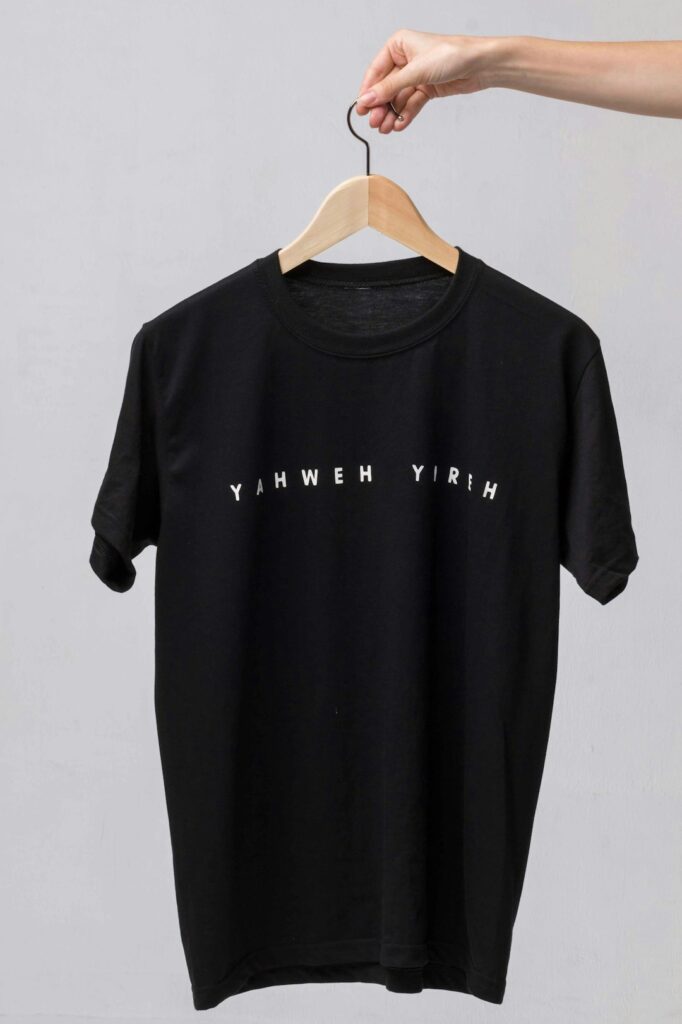

Silkscreen printing is a traditional favorite for class shirts. This method uses stencils to apply thick layers of ink onto fabric, making it perfect for vivid, robust designs that hold up well over time. Schools often choose this technique for printing mascots or large emblems because the colors stay sharp through many washes. It’s also cost-effective for bulk orders, which helps when outfitting an entire grade or team.
Dye sublimation offers a different approach, especially suited for detailed full-color prints. The process involves using heat to embed dye directly into polyester fabric, resulting in vibrant images that cover the entire shirt without adding weight or texture. This works well for designs that wrap around sleeves or extend over seams, like panoramic scenes or abstract patterns. However, it requires polyester shirts, so cotton fans might want to consider alternatives.
Embroidery adds a touch of class and texture by stitching thread directly into the material. It’s commonly reserved for special occasions such as graduations or championship games, where a polished look matters. Embroidered logos tend to last long and give shirts a premium feel. When ordering, keep in mind that embroidery setups can take longer and might cost more per piece, especially on intricate designs.
Direct-to-garment (DTG) printing has become popular for its ability to handle complex designs quickly. It works much like an inkjet printer but prints directly on fabric, allowing for detailed images without the need for screens or plates. This makes DTG ideal when time is tight and the design changes frequently, such as last-minute event themes or personalized shirts. The downside is it’s best suited for smaller batches since prices don’t drop dramatically with volume.
Digital heat transfer shares similarities with DTG but uses specially printed transfer paper applied with heat and pressure. It’s flexible for small runs or one-off projects, making it a go-to for students wanting to showcase original artwork or personal slogans. One practical tip: test the transfers on the chosen fabric beforehand to avoid peeling or cracking after washing.
Vinyl printing uses colored vinyl sheets cut into shapes and heat-pressed onto the shirt surface. This method excels at producing sharp lines and vibrant solid colors, which is why sports teams often use it for player names and numbers on the back of jerseys. Vinyl holds up well under physical activity but can feel stiffer than other prints. When ordering, confirm the font size and spacing are readable from a distance, especially on numbers.
When planning your class shirt designs, think beyond just graphics. Involving students through design contests or group brainstorming sessions can spark creativity and ensure the final product has real meaning to everyone involved. It also cuts down on back-and-forth revisions because the group already feels invested. Remember, clear communication about deadlines and quantities upfront helps prevent last-minute stress.
Exploring different printing methods opens up new creative possibilities tailored to your budget and needs. Whether it’s embroidery’s textured elegance or dye sublimation’s vibrant coverage, each comes with trade-offs in cost, durability, and turnaround time. For more practical advice about t-shirt printing options in Singapore, check out custom apparel printing insights.