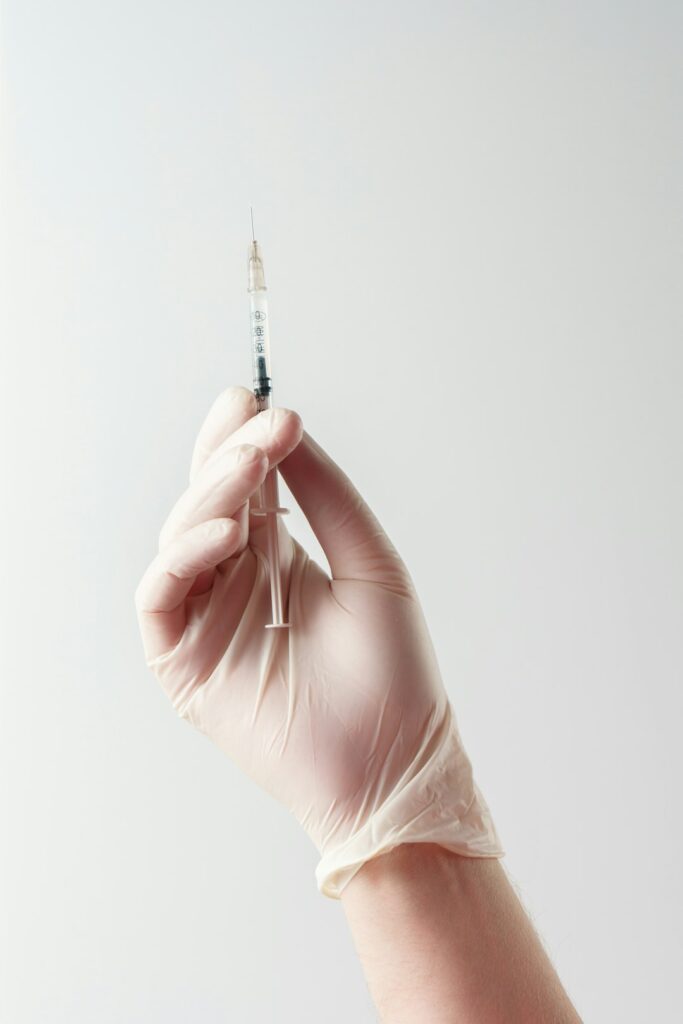

Dry needling involves inserting very thin needles into specific spots in your muscles known as trigger points. These points are tight areas or knots that can cause pain and limit movement. Unlike acupuncture, which is based on energy flow, dry needling focuses on physically releasing muscle tension. It’s often used for conditions like chronic back pain, tension headaches, or repetitive strain injuries from work or sports.
Before treatment begins, a physiotherapist will carefully examine your muscles to find the exact spots that need attention. They’ll then insert the needles into these areas with precision. The needles are so fine that most people feel only a slight pinch or pressure. The goal is to trigger a local twitch response in the muscle, which helps release tightness and encourages blood flow to promote healing. Patients often notice immediate improvements in flexibility or a reduction in pain after sessions.
Some soreness after treatment is normal, but it’s usually mild and temporary. The sensation during needling varies: some feel a quick prick; others sense a deep pressure. Practitioners often explain what to expect beforehand to ease any anxiety. It’s common for patients to underestimate how tolerable the procedure is compared to the relief it provides.
If you’re debating whether dry needling suits your situation, consider your injury history and current symptoms. For example, if you have muscle pain from sports overuse or strain from repetitive tasks at work, dry needling targets these stubborn areas directly. It can be worth trying if conventional physiotherapy hasn’t fully addressed your issues. A good therapist will tailor the number of sessions based on how your body responds.
Scheduling an appointment in Miami is straightforward. Clinics typically start with a consultation where you describe your symptoms and ask questions about the treatment process. This meeting gives you a chance to discuss concerns like needle discomfort or session frequency. Many clinics also share information about what happens during dry needling and how it fits into your overall rehab plan.
For deeper understanding, check out articles like ‘Is Dry Needling Right For Me? Benefits, Risks & How It Works.’ These resources help clarify what to expect from treatment and address common misconceptions. Knowing more about the technique can encourage you to take that next step towards recovery.
Don’t let ongoing muscle pain slow you down. Choosing a skilled provider who listens to your unique needs can make a real difference. Explore how dry needling miami might help ease your discomfort and improve function.
If you want to find reliable information about physiotherapy services in Miami, visit muscle therapy options in miami. It’s helpful to review different treatment approaches before committing to one.