
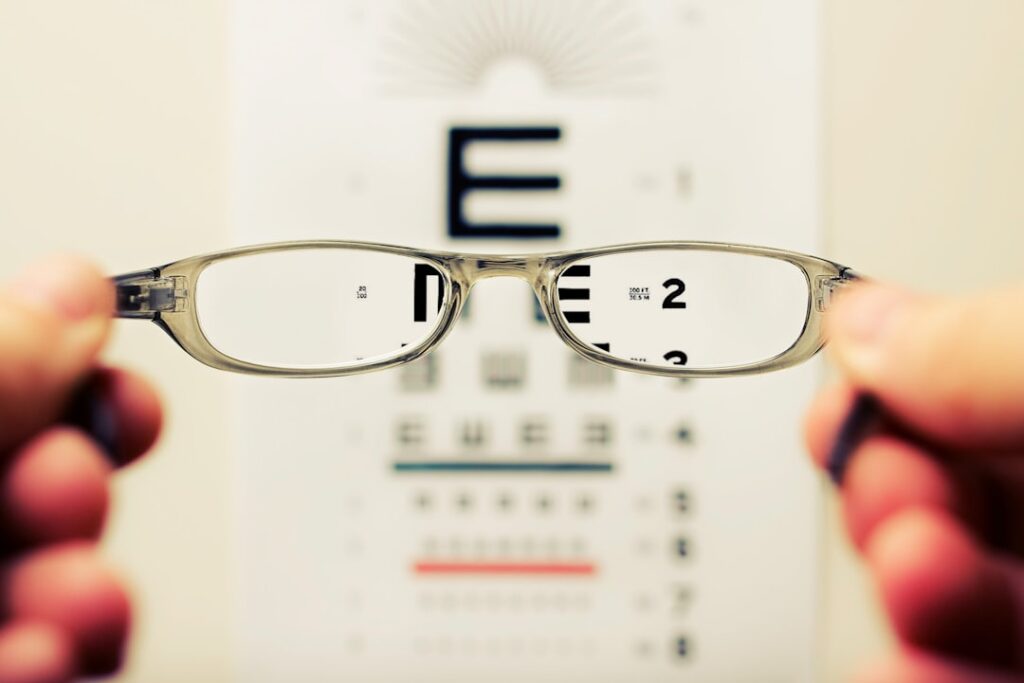

Children with Down syndrome often have unique vision challenges. Refractive errors like nearsightedness or farsightedness can be more common, along with eye alignment problems such as strabismus. These require careful assessment because standard eye charts might not be suitable. Experienced optometrists modify their techniques, sometimes using preferential looking tests or objective instruments like autorefractors. They also pay close attention to how the child responds to stimuli, since some may have difficulty focusing or following directions. Close collaboration with caregivers helps ensure that the information gathered reflects the child’s true visual abilities.
Low vision assessments form an important part of eye care for patients with significant sight loss. Unlike routine exams that measure acuity alone, these evaluations focus on how a person uses their remaining vision day to day. For example, an elderly patient with macular degeneration might find it hard to read or recognize faces despite having some central vision left. Testing will include functional tasks and discussions about the patient’s environment and habits. Recommendations often involve magnifiers, specialized lighting, or electronic devices tailored to their lifestyle. These interventions aim to maximize independence rather than simply prescribing lenses.
Bioptic telescopes are a tool some individuals with severe vision loss use to improve distance sight. These combine a small telescope mounted on regular glasses, letting the wearer see far objects clearly while maintaining peripheral awareness. Not everyone is a candidate; an optometrist trained in low vision will assess motor skills, cognitive ability, and motivation before recommending them. Patients often require training to use these devices safely, especially when driving or crossing streets. Proper fitting and follow-up appointments are essential to address any discomfort or practical issues that arise.
Cerebral Visual Impairment (CVI) is a condition caused by brain damage affecting visual processing rather than problems with the eyes themselves. Children with CVI may see inconsistently or have difficulty recognizing objects even if their eyes are healthy. Testing for CVI involves observing how a child reacts to different visual stimuli and may include parent questionnaires about behaviors like light sensitivity or crowding effects. Optometrists tailor therapies accordingly, often incorporating environmental adjustments such as reducing clutter or using high-contrast materials. Regular monitoring helps track progress and adapt strategies over time.
Finding an optometrist for special needs can be daunting. Families often report frustration when providers rush exams or fail to accommodate communication difficulties. A good specialist takes time to build trust and explains each step clearly to caregivers. They check medical histories thoroughly and may ask about daily routines that affect vision use. It’s common for patients to bring favourite toys or comfort items to exams, these small details help reduce anxiety and improve cooperation.
Choosing the right eye care provider means looking beyond clinical skills. Empathy and patience are crucial traits, especially when working with non-verbal patients or those sensitive to sensory input. Many clinics offer quiet rooms or flexible scheduling to minimize waiting times and environmental stressors. Community programs sometimes provide outreach services or home visits for those unable to travel easily. Families benefit from connecting with these resources early to ensure consistent care.
Advances in technology and growing awareness among healthcare professionals are gradually improving eye care access for special needs patients. Still, it requires vigilance and adaptability from practitioners. Sharing detailed notes between optometrists, therapists, and educators prevents repeated testing and miscommunication. Encouraging caregivers to keep records of vision-related behaviors also aids in tailoring interventions. Ultimately, personalized assessment methods and realistic goal-setting empower individuals with special needs to achieve better visual function and quality of life.
For families exploring options beyond traditional exams, vision support for disabilities offers practical guidance and resources specific to various conditions. Understanding what services are available locally can ease the process of securing appropriate care and support.