
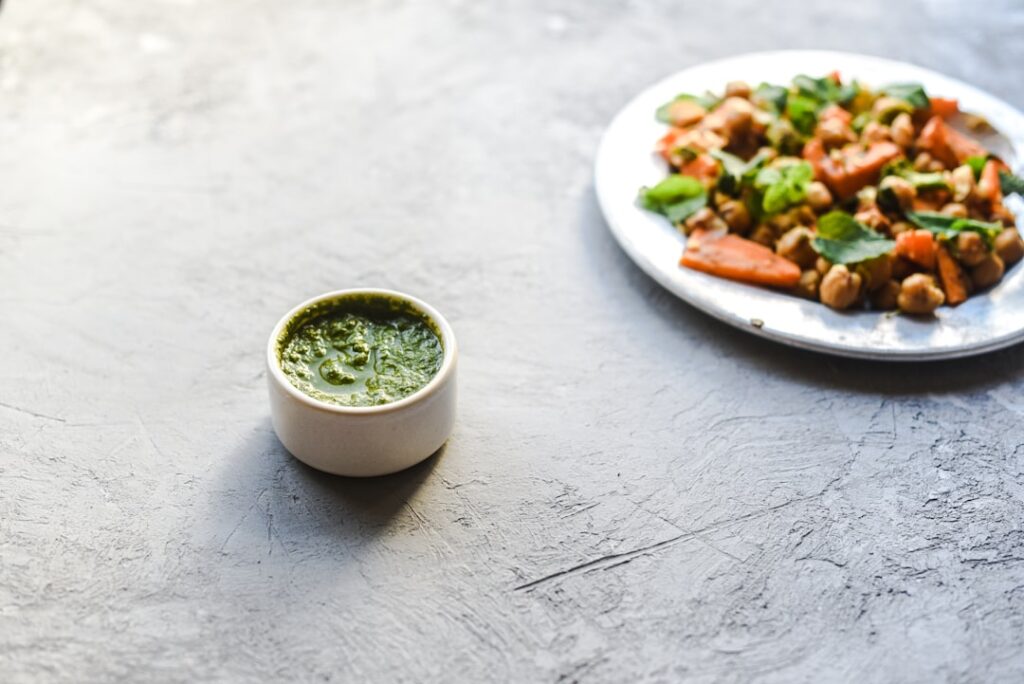
Handmade chutney has long held a special place in kitchens, offering a vibrant way to preserve seasonal fruits and vegetables while adding complex flavours to meals. Rooted in culinary traditions that span continents, chutney is more than just a condiment. It represents a thoughtful blend of ingredients, crafted with care and often passed down through generations. From the tang of green mango to the mellow sweetness of caramelised onion, chutneys can elevate even the simplest of dishes.
The process of making chutney by hand allows for a level of control and creativity that mass-produced variants tend to lack. Ingredients are typically selected at their peak, ensuring the best flavour and texture. The small-batch nature of handmade chutney means that each jar can have its own distinct taste, influenced by subtle shifts in seasoning, preparation, or even the weather during harvest.
Chutney recipes often vary by region, making them a reflection of local produce and culinary customs. In Britain, chutneys made with apples, plums or tomatoes are popular, often spiced with mustard seeds, ginger, and vinegar for a robust flavour. Indian chutneys, on the other hand, often incorporate fresh herbs, coconut, and chillies, offering a more immediate, punchy taste. While these regional differences are notable, the essence of chutney remains consistent: it’s a way to capture and enhance the natural character of ingredients.
For those who appreciate artisanal food, exploring a variety of handmade chutney styles can be both enjoyable and enlightening. Whether accompanying a cheese board, enlivening a sandwich, or serving as a side for grilled meats, chutney brings both depth and contrast. Many people enjoy experimenting with pairings, discovering how a tangy rhubarb chutney might complement a sharp cheddar, or how a spicy tomato blend can cut through the richness of roast pork.
The rise in interest around sustainable food practices has also contributed to handmade chutney’s resurgence. Making chutney is a practical way to reduce food waste, as it allows surplus or slightly blemished produce to be transformed into something delicious and long-lasting. This ethos of resourcefulness fits well with a broader movement towards seasonal eating and local sourcing. Home cooks are increasingly turning to chutney-making as a rewarding way to preserve the bounty of their gardens or local markets.
Chutneys are not solely about preservation, though. They also serve a social function, being a staple at family tables and festive occasions. A well-prepared chutney can become a talking point, stirring memories or prompting stories about its origins. Sharing a homemade chutney can be an act of hospitality, a personal gift that reflects time and thought. The handmade aspect adds something intangible but deeply appreciated—a connection between the maker, the ingredients, and the person enjoying it.
Commercially available handmade chutneys often follow traditional methods, using open pans and longer cooking times to develop richer flavours. The focus tends to be on quality over quantity, with attention paid to how each ingredient contributes to the final profile. This differs from more industrial approaches, where speed and consistency are often prioritised over nuance. Consumers who seek out handmade options are typically looking for that extra layer of authenticity and care.
If you’re curious about incorporating more chutney into your cooking, start small. A teaspoon can transform the profile of a dish. Try adding a spoonful to a curry or stew just before serving, or mixing it into a marinade for meat or vegetables. Even stirred into yoghurt, chutney can create a complex dipping sauce. The versatility of chutney makes it a valuable addition to any kitchen, whether you’re preparing a quick weekday meal or an elaborate weekend feast.
To learn more about the traditions behind handmade preserves and to explore a curated selection, visit this artisan pickles and preserves site. The variety available showcases just how diverse and adaptable chutney can be, rooted in history yet constantly evolving with new flavours and combinations.
As food culture continues to embrace both innovation and heritage, handmade chutney stands out as a meaningful way to bridge the two. It offers a moment of connection—to the ingredients, to culinary history, and to the people with whom we share our meals. With its unique blend of flavour, function, and tradition, chutney remains a small but significant part of the culinary world.