
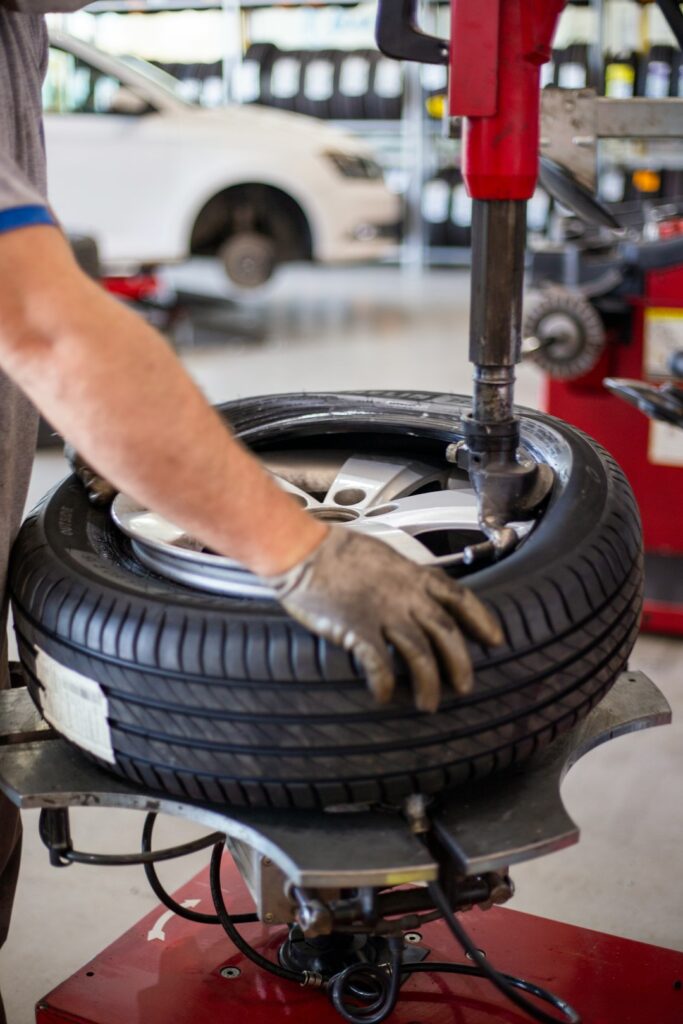

Tyre selection starts with understanding load ratings. These numbers tell you the maximum weight a tyre can handle safely. Overloading tyres is a common mistake that leads to premature failure or blowouts, causing costly delays. Tread design matters as well. Deep treads grip muddy or wet roads better but may increase rolling resistance. Shallower treads can improve fuel economy on paved routes but might slip on rough surfaces. Balancing these factors based on your typical routes is key.
Consider a construction firm hauling gravel and equipment on uneven terrain. Earthmover tyres built for tough ground and heavy weights are a sensible pick. On the other hand, a delivery company running shorter trips in the city might prefer light truck tyres that prioritize maneuverability and ride comfort. It’s not unusual for drivers to report confusion over tyre performance when switching between types without realizing the trade-offs.
Durability is a major expense factor. Heavy load tyres use reinforced rubber compounds and thicker sidewalls to resist cuts and punctures that standard tyres cannot handle. This resilience means fewer replacements and less downtime, which adds up for fleets running daily routes. A practical approach is tracking tyre wear patterns during routine inspections, noting any unusual damage early to avoid unexpected failures.
Temperature swings affect tyre rubber, too. Hot climates soften the material, speeding wear, while cold conditions stiffen it, reducing grip. Fleets operating in regions with seasonal extremes benefit from tyres designed for temperature tolerance. For example, some tyres include silica compounds that maintain flexibility across a wider range of temperatures, helping trucks stay stable regardless of weather.
Fuel efficiency ties directly to tyre choice. Heavier loads demand more energy, but tyres engineered to lower rolling resistance can cut fuel costs noticeably over time. For fleet managers watching operating budgets, even small improvements matter. Some drivers keep a log of fuel use alongside tyre maintenance records to spot patterns and adjust tyre choices accordingly.
Routine upkeep is non-negotiable. Checking tyre pressure monthly and correcting any deviations prevents uneven wear and potential blowouts. Alignment checks catch issues before they cause steering problems or rapid tread loss. Drivers often get into the habit of visually inspecting tyres during pre-trip walks, which can catch embedded nails or sidewall cracks early. Establishing a maintenance schedule with clear responsibilities helps fleets avoid surprises on the road.
For more tailored options, heavy load tyres offer a range of models built for different operational demands. It pays to review product specifications carefully and match them to your cargo types and routes. Additional information can be found at , where you’ll find guidance on selecting tyres that suit your fleet’s unique needs.