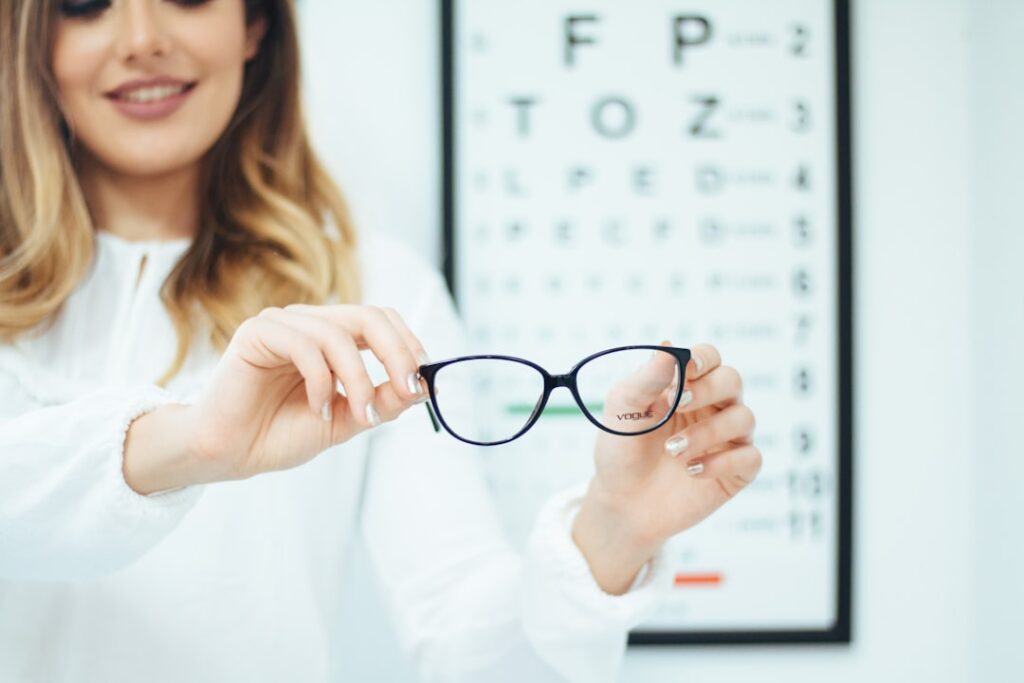

A thorough vision assessment after a brain injury covers more than just reading an eye chart. It includes tests for eye alignment, tracking, and how the brain processes visual information. For patients who cannot communicate verbally, optometrists use specialized methods like observing eye movements in response to stimuli or using simple picture cards to gauge recognition. This ensures the examination captures the full scope of visual function without relying on verbal feedback.
For those whose sight has not fully returned, low vision assessments become vital. These tests help measure what can still be seen and how best to use it. Based on the results, optometrists may suggest tools such as magnifiers or enhanced lighting setups to improve clarity. For example, a patient struggling to read might benefit from a desk lamp with adjustable brightness and contrast settings, making reading less tiring.
One tool sometimes prescribed is the bioptic telescope. This device combines normal lenses with a small telescope, letting users switch between near and distant views easily. It’s particularly useful for spotting landmarks or faces across a room while still being able to read a book up close. Patients often report feeling more confident moving around unfamiliar spaces when equipped with bioptic telescopes.
Cerebral Visual Impairment (CVI) presents another challenge distinct from eye problems. CVI results from brain damage affecting how vision is interpreted rather than how images are formed in the eyes. Optometrists trained in CVI can advise families on helpful strategies, such as using familiar objects during therapy or simplifying visual environments to reduce confusion. This hands-on guidance helps caregivers adapt daily routines to support the patient’s visual needs.
Collaboration between eye care professionals and other therapists is common. Optometrists usually coordinate with neurologists, occupational therapists, and rehabilitation teams to align treatments. For instance, if a patient has trouble with eye tracking, the occupational therapist might include specific exercises in their sessions aimed at improving coordination. This team approach addresses both visual and cognitive aspects of recovery.
For anyone dealing with visual issues after a brain injury, consulting an optometrist who specialises in this area can make a meaningful difference. They offer targeted interventions that improve functional vision and support independence in daily life. To explore these services, visit Traumatic brain injury optometrist Brisbane.
Understanding the link between brain health and vision is critical in rehabilitation. Optometric care goes beyond fixing immediate eyesight problems; it supports lasting recovery by adapting to each person’s changing needs. Working with practitioners familiar with brain injury ensures treatments are practical and relevant, improving both comfort and function in everyday activities. For more information on vision care after brain injury, check out visual rehabilitation support resources.