
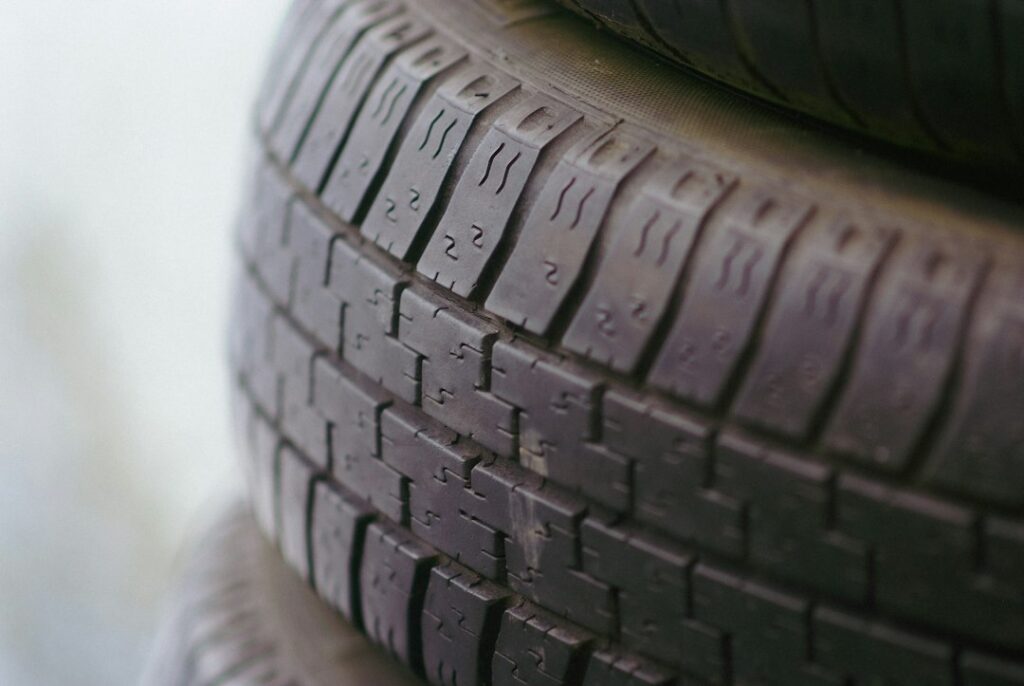

Truck and bus tyres are built to carry significant weight and endure long distances. They have reinforced sidewalls and deeper treads that improve grip and stability, especially when the vehicle is fully loaded. Companies running regional deliveries often rely on these tyres because their routes include both highways and uneven rural roads. One detail often overlooked is checking the tyre pressure regularly; underinflated tyres can lead to faster wear and increased fuel use.
Earthmover tyres serve a different purpose but are equally important in sectors like construction and mining. These tyres withstand harsh conditions such as rocky terrain and heavy machinery loads. For instance, an excavation company might select earthmover tyres that provide strong traction on loose gravel or mud, reducing downtime caused by tyre damage. Operators often keep detailed logs of tyre inspections to catch early signs of wear before they cause delays.
In warehouses and distribution centres, forklift tyres are crucial for moving heavy pallets efficiently. Solid forklift tyres are popular because they resist punctures and require less maintenance than pneumatic ones. Warehouse managers who switch to solid tyres frequently notice fewer interruptions due to flats, and workers feel safer operating equipment that responds predictably in tight spaces. A common practice is to schedule tyre checks during routine equipment maintenance to avoid surprises.
Passenger tyres might not be the first choice when thinking about heavy loads, but vans and light trucks used for last-mile deliveries rely on them. These tyres need to balance load capacity with comfort and handling in urban environments. Courier services using vans must select passenger tyres rated for higher load indexes to prevent premature wear and maintain safety standards. Drivers often keep a tyre condition checklist to report issues early, avoiding breakdowns during busy delivery hours.
Load index ratings and ply ratings are key specs to examine before buying any heavy load tyre. The load index tells how much weight a tyre can safely carry; ply rating indicates its strength and durability. Business owners often consult tyre professionals who can recommend models tailored to their specific vehicle types and typical load sizes. It’s also practical to keep records of these specifications handy for quick reference during purchasing decisions.
When investing in heavy load tyres, comparing manufacturers and warranty terms is wise. Some brands offer warranties that cover tread life or manufacturing defects, which can save money if tyres fail prematurely. It’s common for fleet managers to track warranty details alongside maintenance logs to claim replacements efficiently when needed.
Choosing the right tyres affects more than just safety; it influences operational efficiency and cost control. Whether selecting truck and bus tyres or earthmover options, knowing your operational environment and vehicle demands makes all the difference. For more detailed information on heavy load tyre choices and maintenance tips, you can visit heavy vehicle tyre advice.