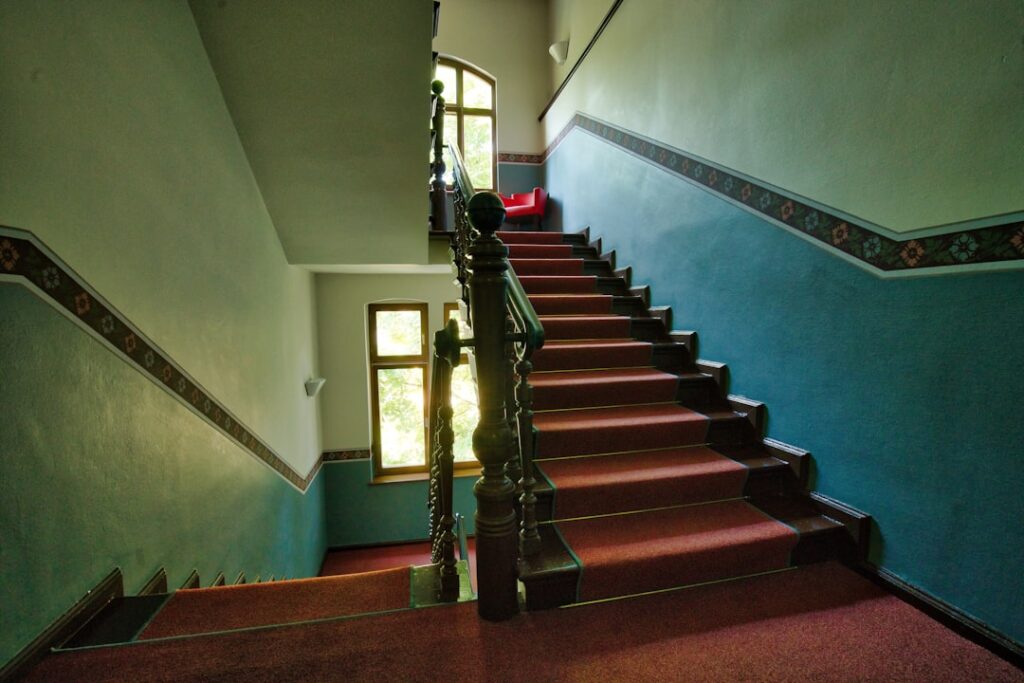

Take a retail store with a staircase leading upstairs. If that area is poorly lit, customers may hesitate to explore further, costing potential sales. Installing tailored lighting that fits the store’s design encourages foot traffic and improves the shopping experience. In homes, custom fixtures can showcase stairwell artwork or unique railings, making the stairs a highlight rather than just a functional necessity. Affordable LED strips under each step or wall sconces matching your décor can change how you and your guests perceive the space.
When planning your stairwell lighting, consider the type of bulbs carefully. LEDs are popular because they last long and use less power, but pay attention to their brightness and color rendering index (CRI). A higher CRI means colors look more natural under the light, which matters if you want to show off paintings or wood grain. Adjustable brightness is another useful feature; dimming capabilities let you change the atmosphere from practical daytime light to soft evening glow without rewiring.
Color temperature affects mood more than many realize. Warmer light (around 2700K to 3000K) feels relaxing and welcoming, ideal for homes where you want a cozy vibe. Cooler light (4000K to 5000K) feels sharper and more alert, which suits commercial settings where focus is needed. Mixing temperatures can work but requires careful testing to avoid uneven appearance. It’s common for installers to bring sample lights to try in different positions before finalizing the setup.
Placement of lights impacts both safety and aesthetics. Lights along handrails help users keep their balance without glaring in their eyes. Wall sconces placed at eye level spread light evenly while adding architectural interest. Recessed lights in the ceiling or steps keep fixtures out of sight but highlight the path clearly. One practical tip is to avoid placing fixtures where they can easily be bumped or blocked by furniture or decorations, which can cause uneven lighting and force costly fixes later.
Safety is often the real reason behind investing in stairwell lighting. Poor visibility increases the risk of falls, especially in busy commercial spaces or homes with children and elderly residents. Proper illumination reveals each step clearly, including edges and landings. Non-slip stair treads combined with well-planned lighting create a much safer environment. Regular maintenance checks, such as cleaning fixtures and replacing failed bulbs promptly, prevent unexpected dark spots that confuse users.
Custom stairwell lighting isn’t just practical; it gives you control over how your space looks and feels. Whether you want to highlight craftsmanship in your home or guide customers smoothly through a store, thoughtful lighting choices make a difference. Explore options like custom stairwell lighting to find designs that match your vision.
If you want ideas beyond lighting, consider how integrated smart controls or motion sensors might add convenience and energy savings. For more inspiration on unique designs and ideas for your projects, staircase lighting design tips offer practical advice and examples from real installations.