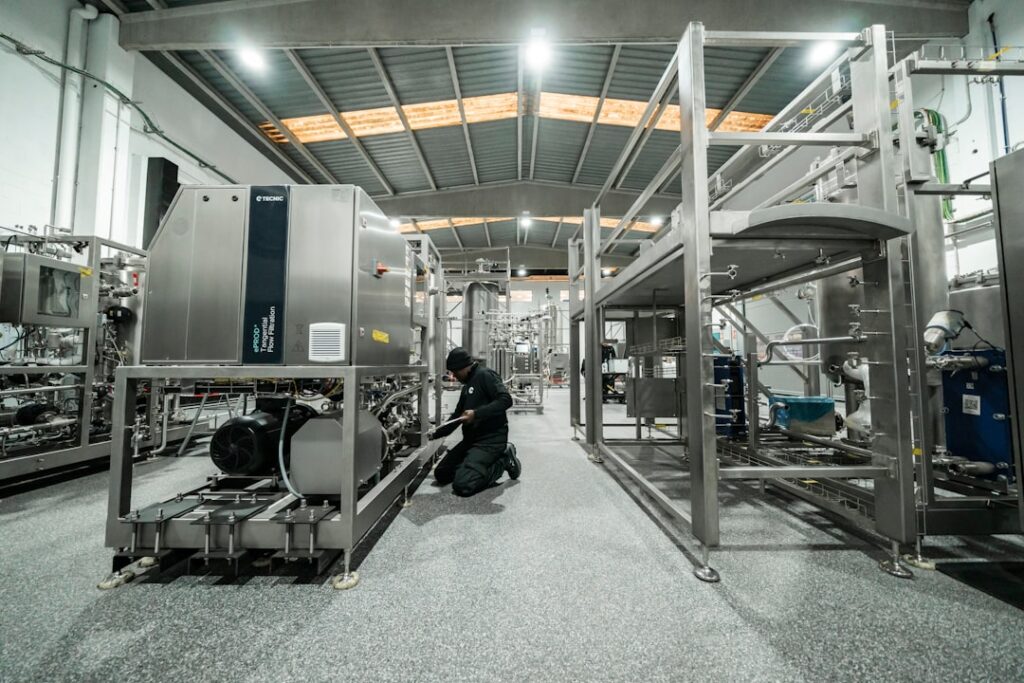
In manufacturing, water quality directly affects production efficiency and equipment longevity. Contaminated water can cause unexpected downtime and damage machinery, leading to costly repairs. That’s where industrial water filtration becomes essential. Well-designed filtration systems remove solids, sediments, and chemical contaminants to protect both the process and the equipment. Reliable filtration also prevents product defects and reduces waste. Operators often check filter integrity daily and keep logs to avoid surprises that disrupt schedules.
Process belts serve as the backbone of many industrial filtration setups. They transport materials through stages like filtration, dewatering, and separation while maintaining a steady flow. In food processing, for example, belts carry raw materials and simultaneously filter out solids to meet hygiene regulations. A practical tip is to inspect belt tension regularly; loose belts can cause uneven filtration and increase wear. These belts need proper maintenance to avoid costly replacements and ensure consistent output.
Filter cloths are critical for capturing particles while letting liquids pass through efficiently. Selecting the right cloth depends on particle size and liquid type; finer cloths trap smaller contaminants but may clog faster. Textile manufacturers often use ultra-fine filter cloths during dyeing to prevent fibres from entering wastewater streams, allowing safer water reuse. It’s common practice to rotate filter cloths based on wear patterns, extending their lifespan and optimizing costs.
The range of wet filtration systems available today caters to various industrial scales and requirements. Smaller operations might use basic gravity-fed filters, while large plants deploy automated backwash systems that reduce manual cleaning downtime. Automatic backwashing not only keeps filters clear but can also be scheduled during low production periods to avoid interference with operations. Operators often develop maintenance checklists that include monitoring backwash cycles to maintain peak efficiency.
Custom-engineered filtration solutions address specific challenges unique to each facility. For example, chemical plants dealing with corrosive fluids require filtration materials resistant to degradation while maintaining flow rates. Engineers collaborate closely with clients to design these systems, ensuring they comply with safety standards and operational demands. A frequent issue in these setups is miscommunication about fluid chemistry, so detailed documentation of input parameters helps prevent design flaws.
Experience combined with targeted research leads to filtration setups that improve productivity and lifespan of equipment. Companies investing time in understanding their water sources and process needs achieve better contamination control and reduce water usage. Sustainable practices like recycling filtered water are becoming common, which cuts down on fresh water consumption and lowers operational costs. On the shop floor, operators often label valves clearly to avoid mistakes when switching between filtered and unfiltered water streams.
If you’re evaluating options for improving your plant’s water quality, exploring industrial water filtration can offer practical guidance tailored to your situation. Choosing the right technology depends on factors like flow rate, contaminant type, and maintenance capacity.
For advice specific to your industry or questions about particular filtration methods, feel free to request technical assistance today. Connecting with knowledgeable professionals can help you implement effective filtration practices that fit your workflow and budget.