
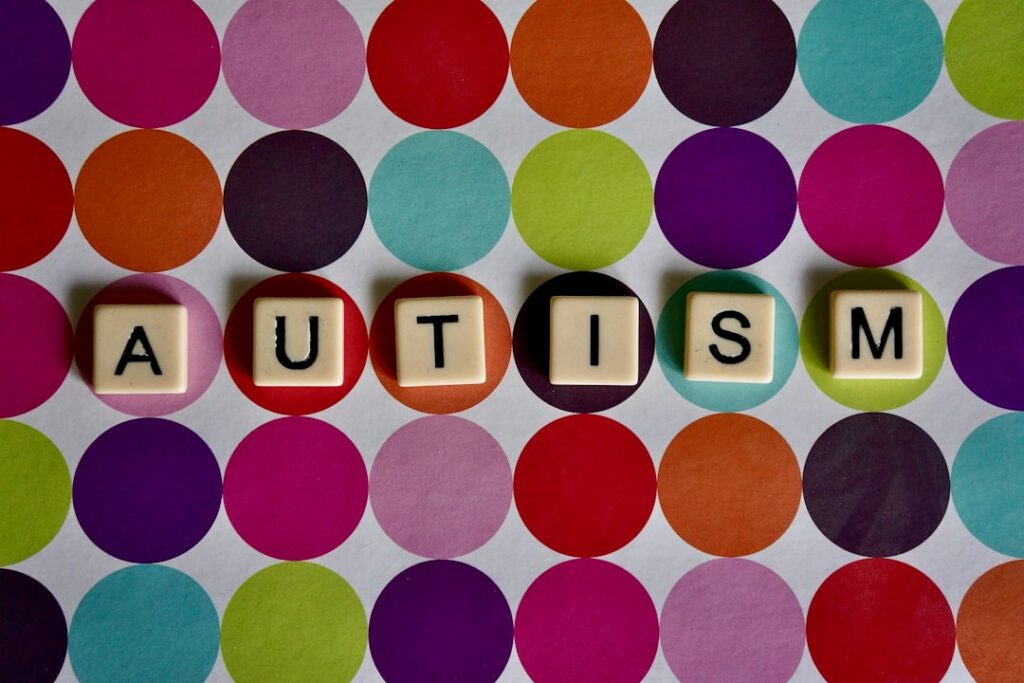
Many adults spend years navigating life with a sense that something feels different, yet without a clear explanation. For some, the eventual discovery that they are on the autism spectrum provides the clarity they have long sought. The late diagnosis of autism in adults has become increasingly recognized, as more people begin to understand the nuances of neurodiversity and seek answers about their own lived experiences.
Unlike in childhood, where developmental milestones and social behaviors are more closely monitored, autism in adults often presents subtly. Traits such as sensory sensitivities, difficulty with social communication, or intense focus on specific interests may have been misinterpreted as personality quirks or even mental health challenges. As a result, many adults remain undiagnosed for decades, sometimes receiving inaccurate diagnoses of anxiety, depression, or personality disorders along the way.
The process of discovering an autism diagnosis later in life can be both relieving and overwhelming. On one hand, it validates past struggles and provides a framework for better understanding oneself. On the other, it can bring up grief around missed support, misunderstood relationships, or the effort spent masking symptoms. For many, learning about autism leads to a reevaluation of identity and a new approach to self-care.
The increased awareness around autism has prompted more adults to seek evaluations. This includes individuals who may have always felt socially out of step or struggled with change and sensory overload. In some cases, a family member’s diagnosis can prompt others to explore their own neurodivergence. As more professionals become trained in identifying autism across the lifespan, the stigma around late diagnosis of autism in adults is slowly diminishing.
Support after diagnosis is equally important. Adults who receive this diagnosis benefit from therapeutic approaches that respect their unique experiences and help them navigate life with new insight. This may include support groups, cognitive behavioral therapy, and occupational therapy to manage sensory issues or executive functioning challenges. Resources tailored for adults can be harder to find, but they are growing as awareness increases.
Understanding the signs of autism in adults is a crucial step toward compassionate care and inclusion. Many adults with late diagnoses report that their lives improve significantly once they have language and tools to support their differences. It allows them to advocate for their needs and build environments where they can thrive instead of simply cope.
Therapists and clinicians are also learning to adjust their methods to better identify autism in adults, especially in populations that have historically been underdiagnosed, such as women and people of color. This shift in understanding reflects a broader movement toward neurodiversity and mental health care that is more inclusive and individualized.
To explore services that support neurodivergent individuals, including therapy tailored to adult needs, learn more about autism support options that focus on empowerment and wellness.
Receiving an autism diagnosis in adulthood can be life-changing. While it may come with challenges, it also opens the door to self-awareness, community connection, and a renewed sense of direction. For many, it’s the beginning of a journey toward thriving with authenticity and understanding.