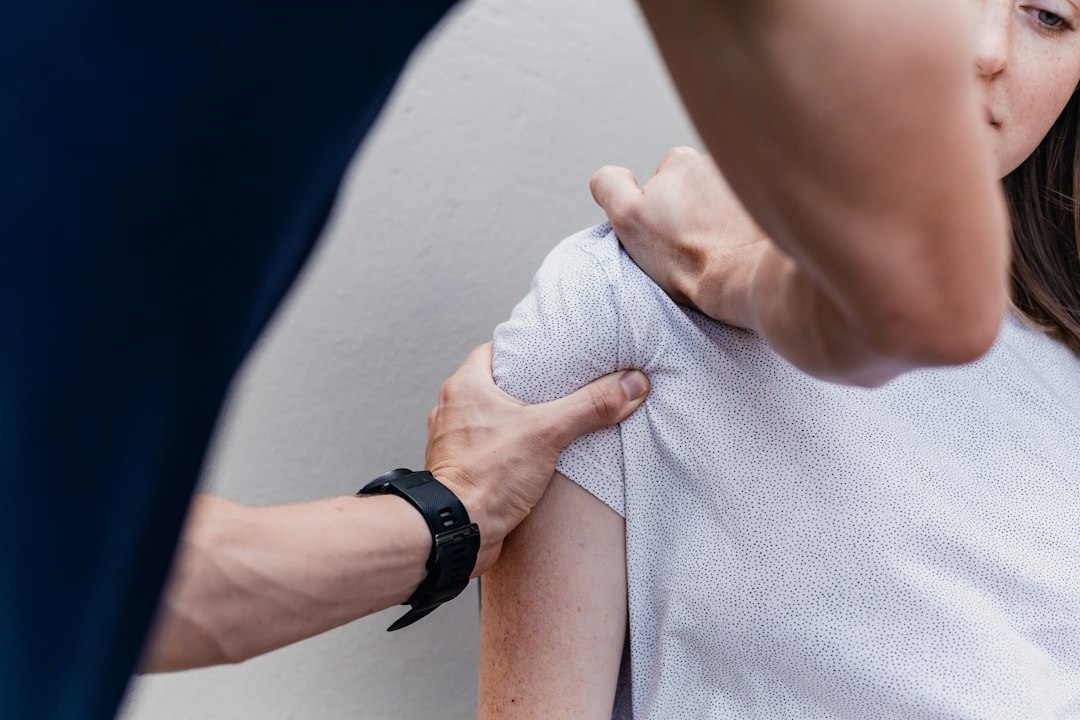

A first appointment is usually a detailed conversation followed by a physical assessment. The physiotherapist may ask when symptoms began, whether they vary across the day, how your skin responds to pressure, and what happens after work, exercise or travel. They may watch you walk, assess joint movement, inspect the skin and discuss sleep, footwear and clothing. There is no single definitive test for lipoedema, so the clinician combines your history with examination findings. They may also recommend medical review if signs suggest lymphoedema, a venous condition, injury or another cause. Reading about lipoedema physiotherapy beforehand can help you prepare questions rather than arrive expecting a fixed treatment package.
It helps to bring a short symptom record to the appointment. Note whether swelling or tenderness is worse after sitting, standing, heat or activity, and record how long a flare takes to settle. If you have reports, imaging, medication details or previous compression advice, take those as well. A practitioner may measure movement or function rather than relying only on limb size. For example, the useful change may be standing through a work shift, climbing stairs with less discomfort or tolerating a particular pair of trousers. A limb that looks smaller after elevation does not by itself establish a diagnosis, so home observations should inform the assessment rather than replace it.
The lymphatic system is a network of vessels and nodes that helps return some excess tissue fluid to the circulation and supports immune function. Lipoedema is not simply a failure of that system. However, extra tissue, reduced movement and pressure from swelling may increase the demands placed on fluid drainage for some people. A person can therefore have lipoedema with or without a separate fluid-related problem. Distinguishing fatty tissue from fluid retention matters because the treatment emphasis may differ. Skin condition, changes in texture, pitting and the response to elevation are pieces of the clinical picture, not stand-alone proof of what is happening.
Manual lymphatic drainage may be offered if fluid movement or tightness is part of the presentation. It uses light, slow hand movements rather than the firm pressure associated with deep massage. Some people report less tightness or improved comfort afterwards, while others notice little difference. It should have a defined purpose within the wider plan, especially because tenderness can make vigorous treatment unpleasant. Ask what response the physiotherapist expects, how progress will be checked and what signs mean the technique should be paused. Keeping a brief note after each session can show whether any benefit lasts beyond the appointment.
Compression garments are another possible tool, not a test of willpower or a universal prescription. Graduated compression is designed to apply pressure along the limb, but the fit and fabric must suit the person wearing it. A garment that rolls behind the knee, pinches at the waist or is difficult to pull over sore fingers is unlikely to become a practical habit. Someone seated at a desk may need comfort during long periods of sitting, while someone working on their feet may need a different length or level of support. Skin changes, circulation concerns, sensation and ease of dressing should be discussed before purchase, and the garment should be reviewed if it causes pain or marks that do not settle.
Exercise is usually modified to make movement more tolerable, not removed from the plan. Options may include gentle strengthening for the hips and legs, cycling, water-based exercise, walking in shorter intervals or mobility work between periods of sitting. A person whose knees ache after ten minutes of walking might start with several shorter bouts and assess recovery the next day. Pacing means spreading activity and rest so that one ambitious session does not lead to several days of reduced function. Progress can be measured by recovery time, stair tolerance, balance, strength or participation in daily tasks rather than by calories burned or a particular body shape.
Pain may come from tender tissue, but joint strain, irritated nerves, poor sleep, stress and repeated flare-ups can also influence how strongly the body responds. That does not make the pain imaginary. Treatment might combine graded movement, breathing practice, sleep adjustments, pressure reduction and education with hands-on techniques. Ask what change is expected and how it will be measured. Practical planning may cover airline travel, hot weather, workplace seating, changing-size clothing or a method for putting on garments when hand pain is present. If body image or previous weight-focused healthcare has affected your confidence, it belongs in the conversation. support for lipoedema symptoms should include clear goals, costs, review dates and permission to change the plan if it is not helping.