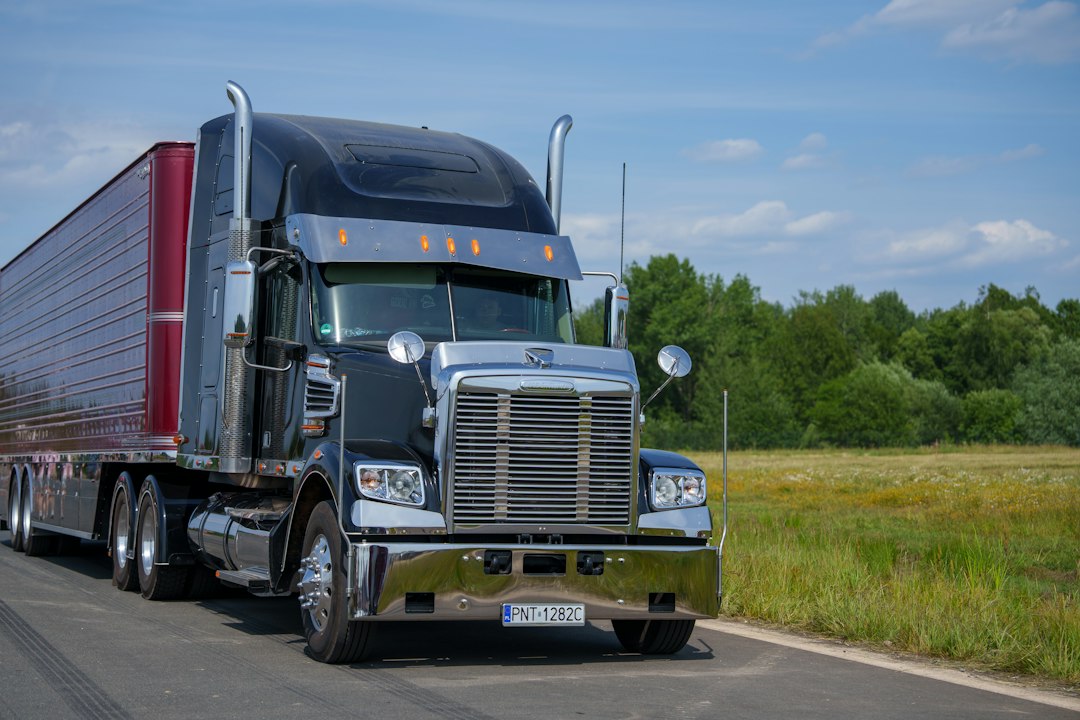
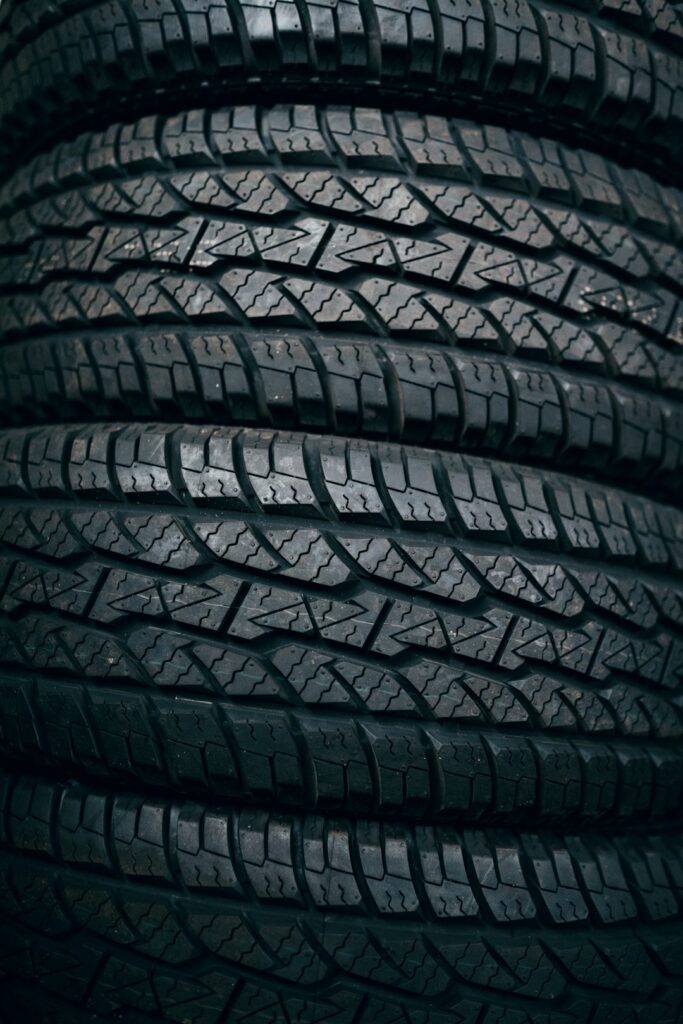

Tyre construction matters a lot in these situations. Heavy load tyres usually come with reinforced sidewalls to resist damage from weight and pressure. Their tread patterns tend to be deeper and designed to spread the load evenly. For example, trucks running urban deliveries require tyres that can handle tight turns and frequent stops without wearing down quickly or risking blowouts. Choosing a tyre with the correct tread design for your typical route reduces maintenance headaches.
Tyre maintenance is often overlooked but can’t be ignored. Proper inflation is critical. Over-inflated tyres wear unevenly and can lose grip, while under-inflated ones generate excess heat, which may cause premature failure or blowouts. A practical habit is checking tyre pressures daily before trips, especially on loaded vehicles. Keeping records of inflation levels and tread depth helps spot problems early and avoid unexpected downtime.
Consider a logistics manager who initially used standard passenger tyres on light trucks to cut costs. The tyres couldn’t handle the loads, leading to frequent punctures and uneven wear. After switching to light truck tyres designed for heavier weights, reliability improved dramatically and repairs dropped. This real-world example highlights how investing in the right tyres upfront saves money over time.
Understanding load ratings is key. Every tyre has a load index indicating its maximum safe carrying capacity at a specified inflation level. Ignoring these ratings risks tyre failure, especially on steep inclines or rough roads. Overloading tyres can cause sudden blowouts or tread separation, endangering the vehicle and shipment. Operators often underestimate how quickly loads add up, so measuring cargo weight carefully before loading keeps tyre stress within safe limits.
Environmental conditions also influence tyre choice. Mud terrain tyres excel off-road but wear faster on highways, while highway tyres provide better fuel efficiency and smoother rides on paved surfaces. Using the wrong tread type leads to faster wear and higher fuel costs. Drivers on mixed routes might opt for all-terrain tyres that balance durability and traction but should expect some trade-offs in wear rate and comfort.
When exploring options for heavy load tyres, focus on products engineered for your specific needs rather than just price. Quality tyres designed to handle your typical loads and routes reduce breakdowns and improve safety margins. Documenting tyre maintenance schedules and load checks in a logbook is a simple step that many fleets use to stay ahead of problems before they escalate.
For more on practical tyre care and selection tailored to fleet operations, check out this resource on truck tyre maintenance tips. It covers routine checks, inflation guidelines, and factors affecting tyre life in varied conditions. Keeping an eye on these details protects your investment and keeps your deliveries on schedule.