
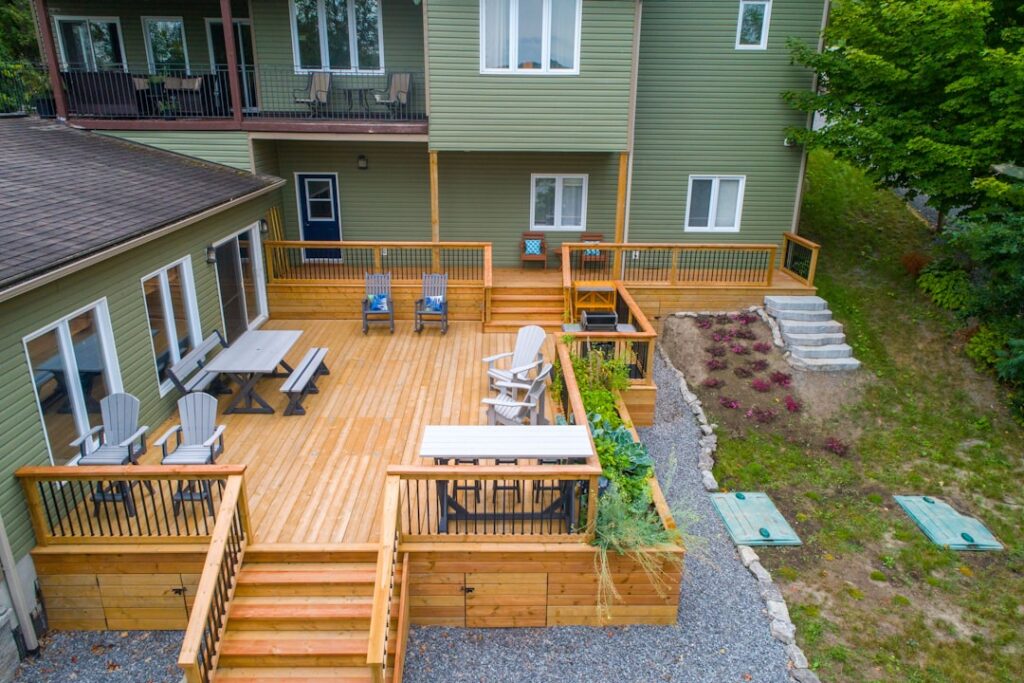

These membranes usually come in liquid form, like liquid rubber, which bonds tightly to wood, concrete, or composite surfaces. Their flexibility is key because decks expand and contract with changing temperatures and humidity. Without this elasticity, cracks can form, letting moisture inside. Applying a waterproof membrane prevents water from penetrating, which otherwise can lead to mold growth, rot, and structural weakening.
Coverage rates vary among products.
Typically, one pint of liquid membrane covers between 20 to 50 square feet depending on surface texture and thickness of application. It’s wise to check the manufacturer’s guidelines carefully. Many homeowners underestimate how much product they need, causing delays or rushed second orders. Planning ahead by measuring your deck accurately and factoring in multiple coats is a practical habit that saves time and money.
Application is often straightforward. Most liquid membranes are designed for brush or roller use, making them suitable for DIYers without special equipment. Surface prep is critical though. The deck should be clean, dry, and free of loose debris or old coatings.
Some membranes require a primer to enhance adhesion; skipping this step can lead to peeling later on. Applying even coats and allowing adequate drying times between layers ensures the membrane forms a continuous waterproof barrier.
Detailed instructions usually accompany these products. They cover surface cleaning methods, mixing ratios if applicable, and tips for avoiding common problems like bubbles or uneven thickness. Reading these guides thoroughly before starting can prevent costly mistakes. A common misstep is rushing through drying times, which compromises the membrane’s effectiveness.
If you’re unsure about how much material is needed, many manufacturers provide online calculators where you enter your deck’s dimensions to get an estimate. These tools help with budgeting and ordering the right amount of product upfront. For bigger jobs such as sealing an entire patio or basement floor, this feature is especially handy.
Some projects benefit from using additional items like primers or sealants alongside the membrane.
These products improve bonding and add extra moisture resistance. While not always mandatory, applying a compatible primer can improve longevity in areas exposed to heavy wear or extreme weather. Sealants also protect edges and seams where water often finds its way in.
If you want to explore other waterproofing approaches, consider factors like climate, deck material, and usage frequency. Alternatives range from sheet membranes to specialized paints, each with pros and cons depending on your situation. Checking reviews and technical data sheets can clarify which method aligns best with your needs.
Subscribing to newsletters from suppliers is a practical way to stay informed about new products and seasonal tips related to deck maintenance. You might receive advice on preparing for winter moisture or reminders about reapplication schedules. deck waterproofing membrane options like these provide essential protection for outdoor spaces without requiring professional installation. For more detailed guidance on waterproofing projects, can be invaluable.