
The rotator cuff plays a pivotal role in shoulder movement and stability, enabling a wide range of everyday actions from reaching overhead to lifting objects. When injuries occur in this group of muscles and tendons, they can significantly impact mobility and quality of life. Physiotherapy has become a trusted and effective approach for managing rotator cuff injuries, offering tailored strategies that promote healing, restore function and reduce the likelihood of recurrence.
Rotator cuff injuries are not exclusive to athletes or active individuals. They can affect people of all ages and activity levels, with common causes including repetitive overhead motions, sudden trauma or gradual wear and tear over time. Symptoms can vary from mild discomfort to severe pain, often accompanied by weakness or limited movement in the shoulder. Early intervention with physiotherapy is crucial in managing symptoms and preventing further damage.
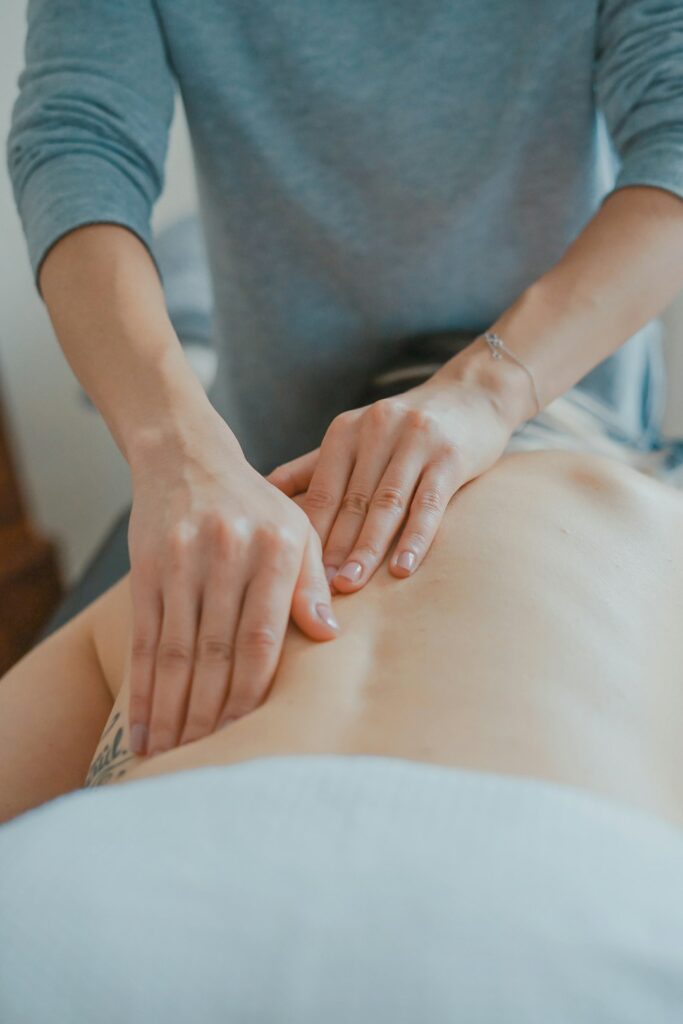
A physiotherapist assesses the injury through a combination of physical examination and patient history, developing a personalised treatment plan. This plan typically includes targeted exercises to strengthen the shoulder muscles, improve flexibility and support proper joint mechanics. Manual therapy may also be used to reduce stiffness and alleviate pain. The goal is not only to treat the immediate injury but also to address underlying imbalances or habits that may have contributed to the problem.
One of the main benefits of rotator cuff physio is its non-invasive nature. Unlike surgical options, physiotherapy allows for gradual rehabilitation without the risks associated with operations. For many individuals, consistent therapy sessions combined with home exercises can restore shoulder function to a high level, making surgery unnecessary. In cases where surgery is required, physiotherapy remains an essential component of both pre-operative preparation and post-operative recovery.
Education is a central part of the physiotherapy approach. Patients are guided to understand how their shoulder functions and what movements or activities to avoid during the healing process. This empowers individuals to take an active role in their recovery, making adjustments in posture, exercise routines or workplace ergonomics to support long-term shoulder health.
The recovery timeline for rotator cuff injuries varies depending on the severity of the damage, the individual’s general health and their commitment to the rehabilitation process. Minor strains may improve within a few weeks, while more significant tears can take several months of consistent therapy. Throughout this period, the physiotherapist monitors progress and adapts the treatment plan to ensure steady improvement.
Incorporating technology such as ultrasound or electrical stimulation can further enhance therapy outcomes. These modalities may help reduce inflammation, improve circulation and promote tissue healing. However, they are typically used in conjunction with manual techniques and exercise, rather than as stand-alone treatments.
Rotator cuff physiotherapy is also highly preventive. For individuals at risk of shoulder injuries due to their occupation or sport, physiotherapists can design programmes to enhance shoulder strength and resilience. Preventative care may include posture correction, strengthening routines and mobility exercises, all aimed at reducing the strain on the rotator cuff during regular activities.
Being proactive about shoulder health is particularly important for those in professions that involve repetitive lifting or overhead work. Regular physiotherapy check-ins can identify early signs of strain before they develop into more serious injuries. This preventive approach aligns well with broader wellness strategies that prioritise long-term musculoskeletal health.
Access to quality physiotherapy services is an important factor in successful recovery. For those seeking support, it is worth exploring clinics that specialise in musculoskeletal rehabilitation and offer individualised care plans. A comprehensive approach that combines expert assessment, hands-on treatment and patient education provides the best chance for full recovery and continued shoulder function.
For more information on shoulder rehabilitation and other treatment options, you can explore the range of services provided by this leading physiotherapy clinic. Whether dealing with a new injury or managing a long-term issue, early and consistent physiotherapy can make a significant difference in outcomes.
In summary, physiotherapy offers a structured, evidence-based path to recovery for those suffering from rotator cuff injuries. Through personalised care, education and consistent effort, patients can regain strength, reduce pain and return to the activities they enjoy with confidence.