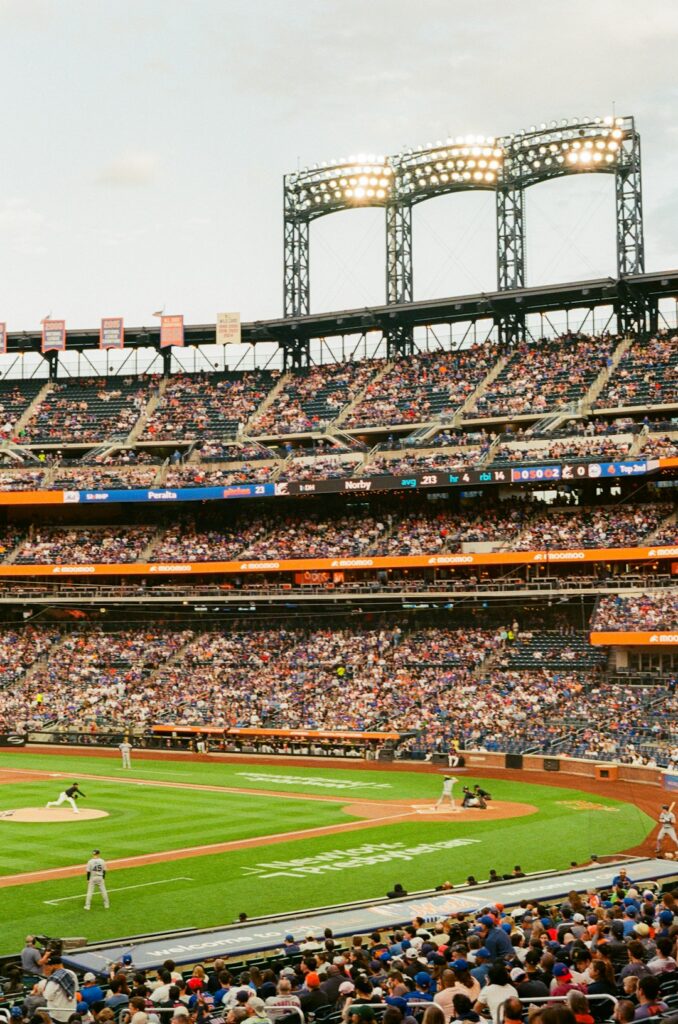

Illuminance, measured in lux, describes the light reaching the playing surface. It is not the same as judging how bright a fitting looks from beneath it. The required result depends on the activity, standard of play, camera use and whether the session is training or competition. Uniformity matters just as much. A high average reading can disguise a dim goalmouth or a dark corner where players regularly move from bright light into shadow. A designer should calculate readings across a grid covering the active area, then review both average levels and the difference between brighter and darker points.
Glare needs to be assessed from the positions people actually occupy. A fitting that looks acceptable beside the pitch may be uncomfortable for a goalkeeper, umpire or spectator facing it during a serve or high ball. Pole height, aiming angle, shielding and the number of mounting positions all influence the result. Four low poles might appear economical around a small oval, yet they can produce difficult sightlines. On a tennis court, fittings close to the baseline may distract a player looking upwards for the toss. Reviewing sightlines on site before fixing pole positions helps prevent expensive changes later.
LED fittings are widely used because they can provide controlled beams, quick switching and different output settings. The label alone does not establish that a product suits sport. Optical distribution, colour appearance, heat control, driver quality and the availability of replacement parts all deserve attention. Good colour rendering can help players and officials distinguish objects naturally, while also supporting video footage. Dimming may allow a lower setting for training, cleaning or casual use, but it introduces controls that must be specified, installed and commissioned correctly. The sensible choice balances useful light, purchase cost, electrical demand and future servicing.
Pole and cable decisions should be made before the equipment is ordered. Existing poles may have corrosion, movement, damaged foundations or limited capacity for new fittings. A site inspection, including a check of accessible records and visible base condition, is safer than assuming that old infrastructure can be reused. New poles need suitable foundations, safe maintenance access and clearance from the playing area and nearby services. The electrical design must allow for cable routes, switching, protection and the available supply. A tidy drawing can conceal costly trenching or excavation, so measured site information and a lighting calculation should be reviewed together.
Spill light matters where grounds sit beside houses, roads, neighbouring fields or areas used by wildlife. Accurate aiming, shielding and reduced upward light can limit unwanted illumination, although tighter control may reduce flexibility or call for additional fittings. A club planning late training near homes should consider viewing angles and operating times before committing to pole locations. Planning, electrical and workplace requirements may apply, so the current obligations for the particular site should be confirmed by the responsible parties. An experienced contractor in sports field lighting design can coordinate these design and installation questions.
Maintenance belongs in the specification from the start. Ask how fittings will be reached, which parts are replaceable, how faults will be reported and who will check settings after commissioning. A ground used each evening needs a different inspection routine from a reserve used at weekends. Before appointing an installer, request the design assumptions, calculated light levels, control arrangement, pole assessment and access method in writing. Comparing the complete scope rather than the fitting price can expose omitted trenching, testing or future access work. For a project discussion, sports lighting services may provide a practical starting point.