
The material’s composition and finish affect daily care as much as its appearance. Porosity refers to how readily a surface can absorb liquid, and natural stones can differ in this respect. Manufactured surfaces also have their own care instructions, so the supplier’s written guidance deserves more attention than a general claim about durability. A polished finish reflects light and can give veining sharper definition. Honed surfaces have less sheen and a softer appearance, but marks, changes in texture or spilled liquids may be more noticeable in different ways. The right finish depends on the household’s habits and tolerance for routine upkeep.
Pale whites and soft greys remain useful across many Melbourne interiors because they sit comfortably with timber, painted joinery and stainless steel. A completely uniform white surface, however, can show crumbs and faint water marks readily. Gentle speckling or restrained movement may make ordinary use less conspicuous. Strong veining creates a marble-like effect and can give a long island a clear focal point. It also needs room around it. Pairing dramatic movement with a busy splashback, patterned floor or strongly grained timber can leave the kitchen looking crowded rather than coordinated.
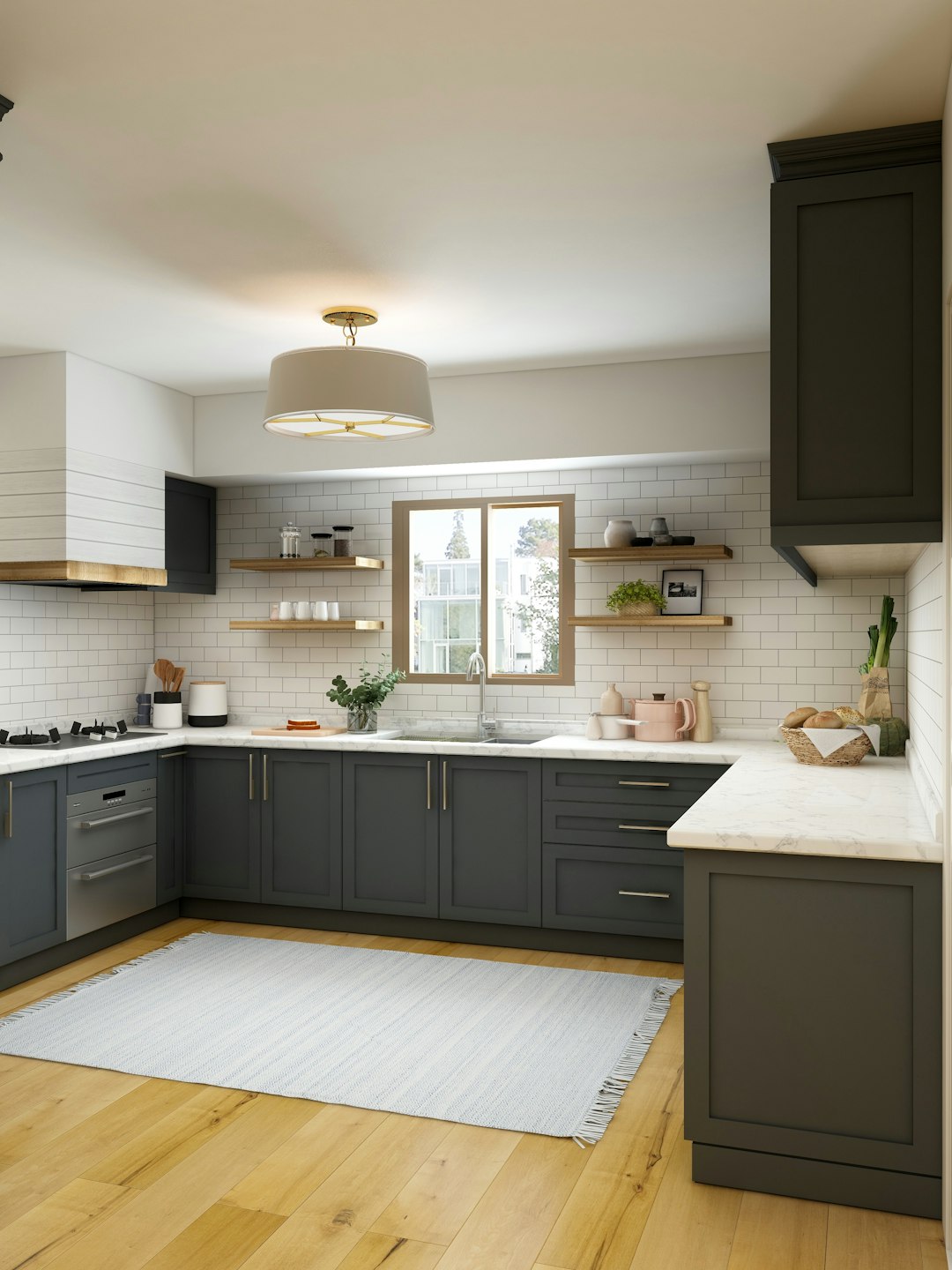
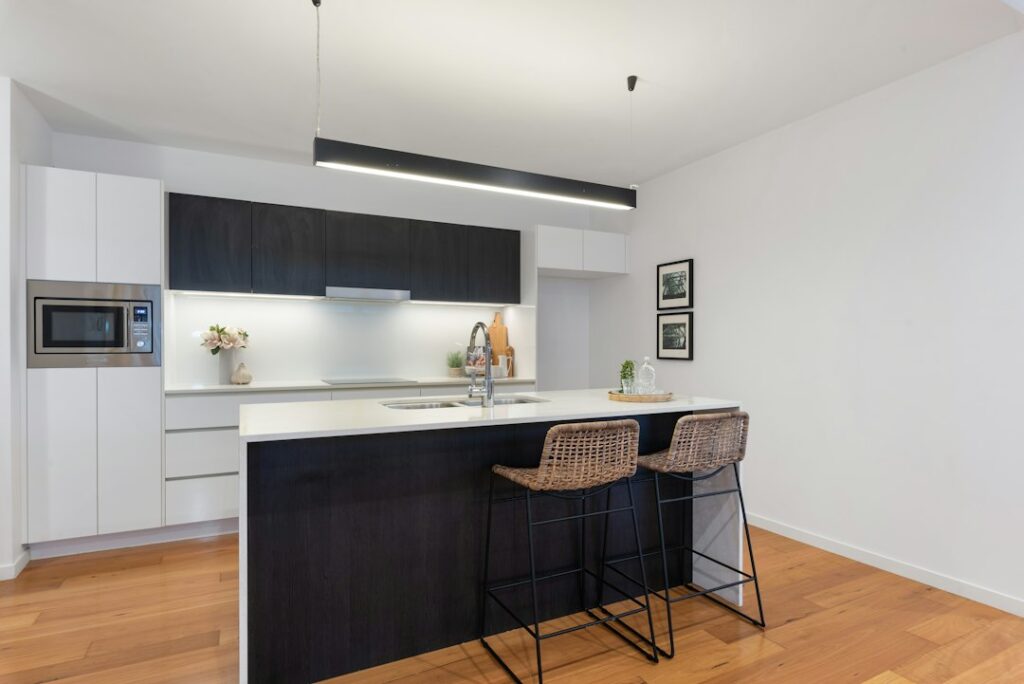
Picture a narrow townhouse kitchen with charcoal cabinetry, limited daylight and a small island. A light surface with fine, controlled patterning could reflect available light without making the room feel stark. In a period renovation with cream doors, timber floors and brass hardware, a warmer stone with subdued movement may connect the finishes more naturally than a blue-toned grey. Names such as Bianca, Magnolia or Concrete only provide a general indication. Inspect the actual slab for its undertone, grain and pattern, preferably beside the project’s samples and under both natural and artificial light. For colour references, see stone benchtops melbourne.
The way a slab is cut and positioned deserves attention before an order is approved. Veining might run along the length of a bench, cross an island or be centred to create a deliberate feature. Adjacent pieces can sometimes be arranged as a mirrored pair, known as bookmatching, although the result depends on the slab, design and available material. Ask the fabricator to mark the proposed positions on a drawing or slab photograph. A small change to the layout can affect where the strongest pattern lands, as well as the location of joins, sink cut-outs and appliance openings.
Edge treatment changes the visual weight and cost of a benchtop. A mitred edge joins pieces at an angle to create the appearance of a thicker slab, while an eased edge has a modest softened corner. Neither detail should be selected from a name alone; request a profile sample or inspect a completed installation if possible. Include the edge style, cut-outs, joins and splashback requirements in the quotation so later revisions do not create confusion. Check whether the sink is top-mounted or installed beneath the surface, since that decision affects the cut-out and the finished edge around it.
Daily use should guide the care discussion before fabrication begins. A chopping board is sensible even on a hard-wearing surface, and hot cookware should only sit directly on the benchtop if the material’s instructions allow it. Abrasive cleaners, sharp objects and standing spills may affect surfaces differently. Some natural stones benefit from sealing, but sealing does not make them indestructible or remove the need for prompt cleaning. Keep the care sheet with the appliance manuals, and confirm which cleaner is suitable before installation rather than discovering the restriction after the first spill. A practical discussion of stone slab layout advice should cover appearance, fabrication and maintenance together.
Before approving the slab, bring a cabinet sample and a flooring piece to the showroom, or ask how the material will be viewed under the home’s lighting. Look at the surface from several angles and check how its pattern repeats across the available piece. Confirm the position of joins, sink and cooktop openings, overhangs and finished edges on the fabrication plan. Scale matters: tiny chips may disappear across a broad island, while dramatic veining can lose its effect on a short run. These checks reduce avoidable rework and help the installed benchtop suit the way the Melbourne kitchen is actually used.