
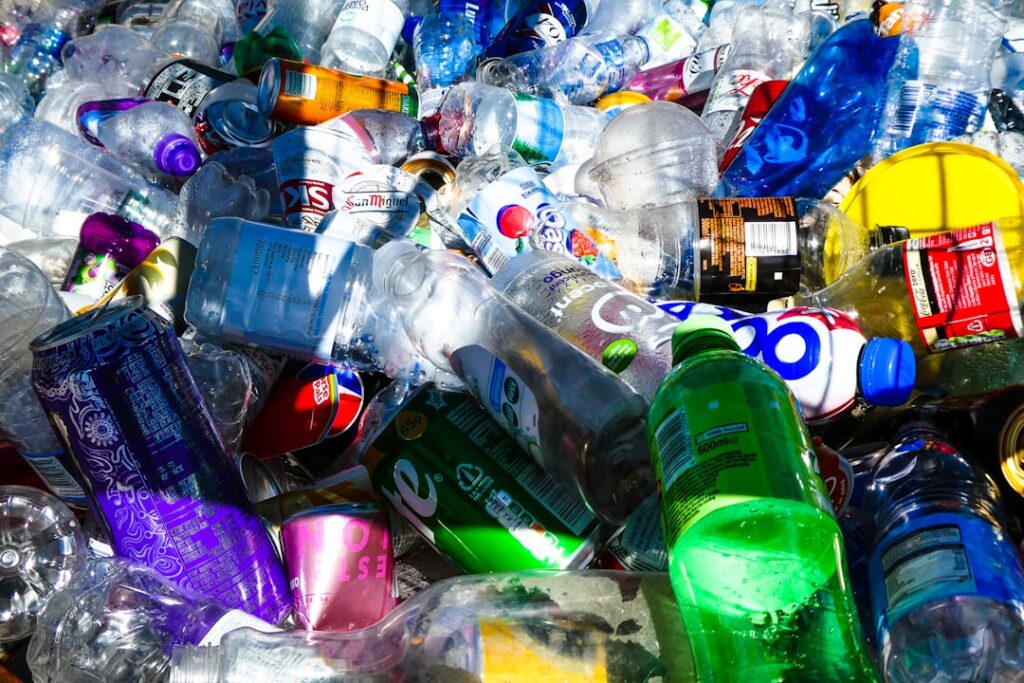
The global fashion and textile industry is facing a mounting crisis: waste. Every year, millions of tons of textiles end up in landfills, a consequence of overproduction, fast fashion trends, and limited recycling infrastructure. As environmental concerns grow and consumers become more conscious of their purchasing habits, textile waste recycling is emerging as a vital strategy to reduce environmental impact and promote a circular economy.
Textiles are made from a variety of materials, including natural fibers like cotton and wool as well as synthetics such as polyester and nylon. Each of these materials presents unique challenges and opportunities when it comes to recycling. For instance, cotton can often be shredded and reused in insulation or padding, while synthetic fibers may be melted and re-spun into new yarns. However, the recycling process is not always straightforward. Blended fabrics, which combine natural and synthetic fibers, are particularly difficult to separate and recycle efficiently.
Despite these challenges, innovation in textile recycling is progressing. New technologies are being developed to separate fibers more effectively, sort materials using AI-powered systems, and convert textile waste into usable fibers for making new products. This evolution is making it increasingly feasible to close the loop on textiles, turning what was once considered waste into valuable raw material. Such advancements are crucial for building a sustainable fashion industry and minimizing dependence on virgin resources.
A growing number of organizations and initiatives are focusing on textile waste recycling as a way to address both environmental and economic concerns. By recovering fibers from discarded garments, companies can reduce their carbon footprint, conserve water, and eliminate the need for harmful dyes and chemicals. Moreover, recycled textiles often require less energy to produce compared to new materials, offering additional environmental benefits.
The business case for textile recycling is gaining traction. Consumers are increasingly looking for sustainable options and are willing to support brands that demonstrate environmental responsibility. Meanwhile, governments and regulatory bodies are beginning to implement policies that encourage or even mandate recycling efforts. Extended Producer Responsibility (EPR) laws, for example, require manufacturers to take back their products at the end of their lifecycle, compelling them to consider recyclability in their design process.
In addition to environmental benefits, textile recycling also supports job creation and local economies. Collection, sorting, and processing of used textiles can provide employment opportunities in communities around the world. When paired with education and training, these activities contribute to a more inclusive and socially responsible industry. Furthermore, recycling can stimulate innovation in product design, as designers explore new ways to create with reclaimed materials.
While the progress is promising, significant barriers remain. Infrastructure for textile collection and recycling is still underdeveloped in many parts of the world. Public awareness is also limited; many consumers are unsure of how or where to recycle their used clothing. To overcome these hurdles, collaboration across the industry is essential. Brands, recyclers, policymakers, and consumers must work together to build systems that support large-scale textile recovery and reuse.
Educational campaigns, transparent supply chains, and clear labeling can help consumers make informed choices. Design innovations that prioritize recyclability, such as mono-material garments or detachable components, can further ease the recycling process. With the right mix of technology, policy, and consumer engagement, the textile industry has the potential to transform from a linear model of consumption to a circular one.
For those looking to learn more about sustainable practices and how to contribute to a circular economy, there are valuable resources and initiatives available. One such example is this platform focused on circular design principles, which offers insights into how reclaimed materials are being used to create new products.
Textile waste recycling is no longer a niche concern but a necessary step toward environmental sustainability. As awareness grows and systems evolve, the hope is that textile waste will be viewed not as a burden but as an opportunity to innovate and regenerate. By embracing the principles of reuse and circularity, the fashion and textile industries can make significant strides toward a greener, more responsible future.