
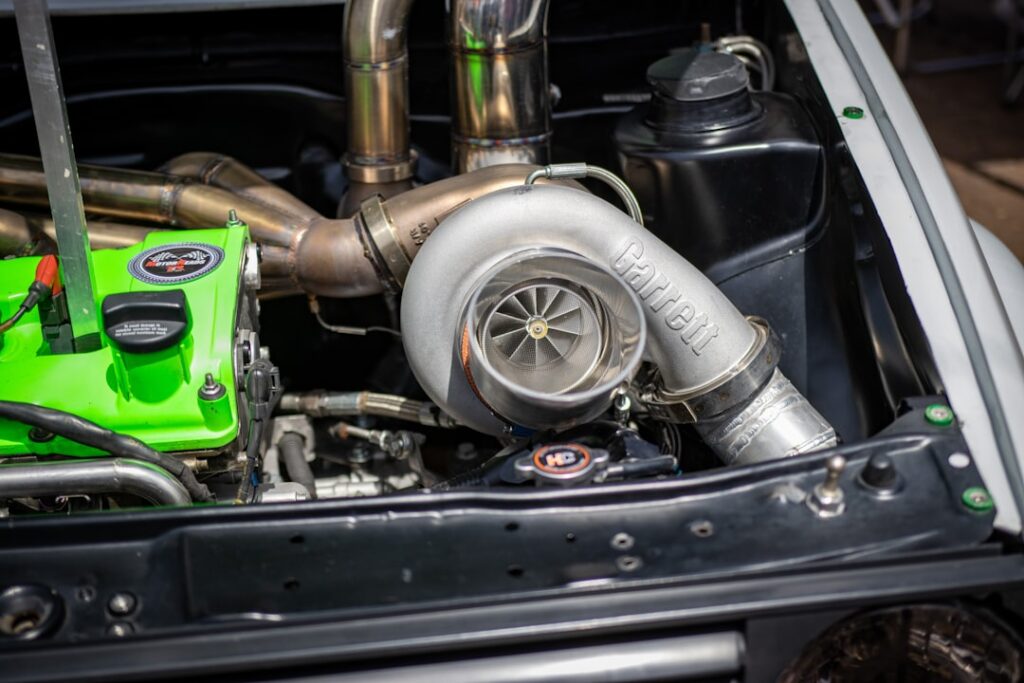

Take the G30, for example. It’s tuned for mid-range power, making it a solid choice for street machines where throttle response matters just as much as top-end output. Drivers often mention how this turbo feels alive across the rev range, avoiding that laggy throttle feel that kills momentum. Getting this balance right requires precise engineering, especially in compressor and turbine design.
Each G Series II turbo features a redesigned compressor wheel that improves airflow efficiency. The turbine housings on these models are engineered to reduce back pressure, which helps exhaust gases exit faster and cuts down on lag. These tweaks aren’t gimmicks; they reflect years of tuning and testing on actual vehicles. Shops that recommend these turbos often highlight how consistent and predictable power delivery becomes, which can save hours of trial and error during tuning.
For aftermarket businesses, selecting the right turbo can be tricky. You want something versatile yet reliable enough to handle different driving styles and conditions. The G Series II offers several sizes tailored for everything from daily drivers to dedicated race cars. This range makes it easier for shops to stock a turbo that fits various client needs without juggling too many different parts or risking compatibility issues.
One practical detail many overlook is how these turbos adapt to different engine layouts. Whether you’re boosting a small four-cylinder or pushing a V8, the G Series II line fits neatly with common manifolds and setups. Installation sometimes requires simple flange swaps or minor tuning tweaks, but nothing outlandish. Experienced tuners recommend checking compressor maps against your engine’s airflow demands early in the build to avoid mismatched expectations down the road.
If you want to explore what fits best for your setup, Turbosmart offers detailed specs and comparisons for each model. One overlooked habit among builders is not reviewing these specs against real-world driving goals before buying. Spending time with this data can prevent costly returns or performance gaps later.
Staying current with industry trends and tech is important whether you’re upgrading your ride or running a shop. Resources like performance upgrades advice provide practical tips and community feedback that help sort fact from hype. Engaging with forums or local tuner groups often clears up misunderstandings about boost control strategies or wastegate setups that can otherwise stall projects.
In the end, choosing a turbo is part science and part experience. The G Series II offers a solid foundation with its balanced design, but success depends on matching the turbo to your engine, supporting mods, and driving style. It pays to communicate clearly with your tuner and plan your build steps carefully, check flange compatibility, review compressor maps, and expect some fine-tuning on the dyno. That’s how you turn potential into real-world gains.