
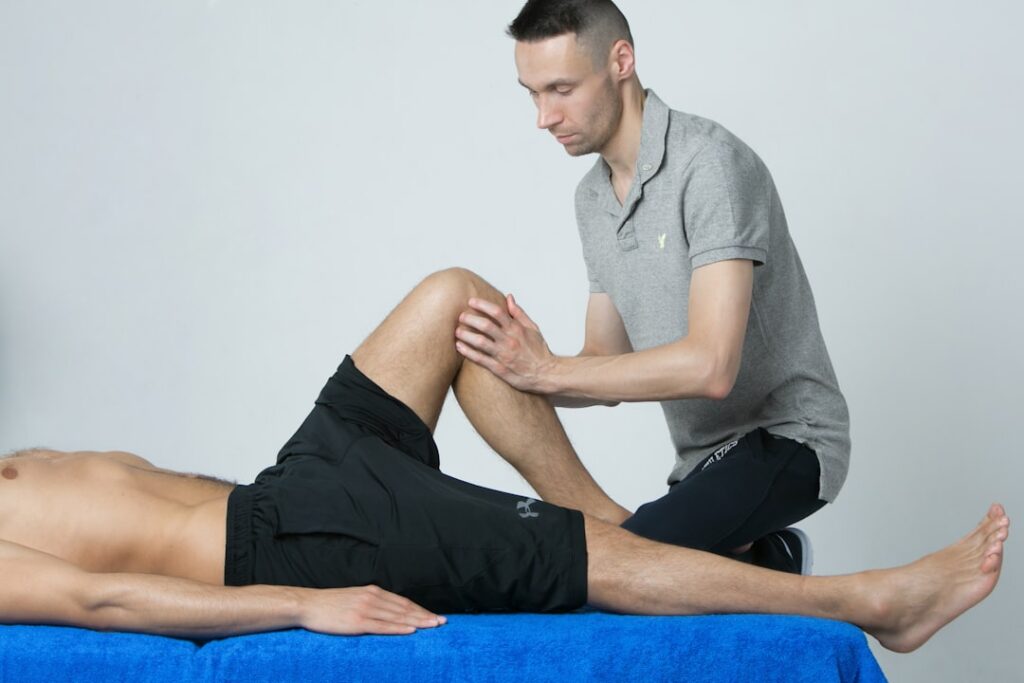

Physiotherapists assess your condition thoroughly, starting with a detailed conversation about your pain patterns and medical background. They perform physical tests to pinpoint tender spots and movement restrictions. This evaluation guides a treatment plan tailored just for you. They might check your gait, hip range of motion, and muscle strength to identify weaknesses contributing to your bursitis.
Treatment usually combines hands-on manual therapy, targeted exercises, and advice on posture and movement habits. Manual therapy involves techniques like massage or joint mobilization to relieve tight muscles and improve joint flexibility. Exercises focus on strengthening the hip’s stabilizing muscles, improving flexibility in surrounding tissues, and restoring balance to prevent repetitive strain. For example, therapists often recommend gentle stretches for the iliotibial band or strengthening routines for the gluteus medius.
Athletes or highly active people may benefit from sports physiotherapy, which adapts rehab plans to their specific sport demands. If overuse caused the bursitis, a sports physio might add sport-specific drills while adjusting training loads to avoid aggravating the injury. They also educate on proper warm-up routines and recovery techniques to reduce re-injury risk.
Sometimes hip pain stems from issues in the lower back affecting nerve signals to the hip area. Spinal physiotherapy addresses this by focusing on spinal alignment and core strength. Therapists may use spinal mobilisations or prescribe exercises that stabilize the lumbar region, which can ease pressure on hip nerves and reduce referred pain.
When seeking physiotherapy, make sure the practitioner has experience treating bursitis and related hip conditions. Clinics often coordinate with orthopaedic surgeons or other specialists if surgery might be needed later. For a focused approach, consider exploring options like physio for hip bursitis. Expect your therapist to track your progress closely and adjust exercises as you improve.
Learning how your daily habits impact your hips is part of therapy too. Small changes, like using chairs with better lumbar support or avoiding crossing your legs while sitting, can reduce strain. Therapists often suggest simple strategies such as pacing activities and using ice after exercise to keep inflammation down.
Physiotherapy is more than managing current pain; it builds resilience against future episodes. Staying consistent with prescribed exercises and mindful movement helps maintain hip health long term. For advice on therapy options or ongoing care plans, you might find useful information at hip pain management resources.