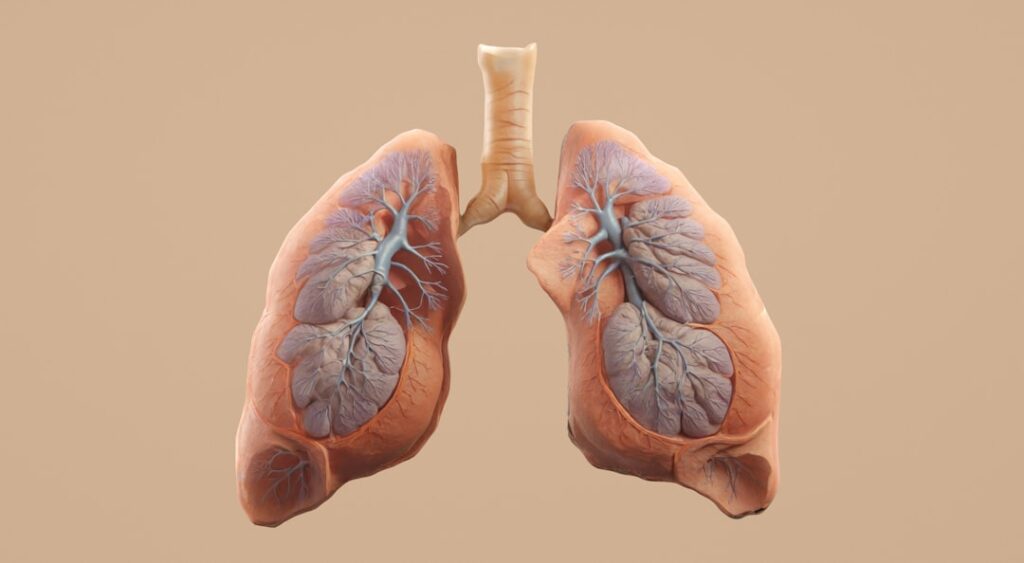

Secretion clearance is the process by which the lungs remove mucus and other debris. Tiny structures called cilia line the airways and move mucus upward toward the throat. There, mucus is swallowed or coughed out. If these cilia are damaged or don’t work well, mucus accumulates and blocks airflow. The cough reflex also helps expel mucus, but when it’s weak or ineffective, secretions linger, raising infection risk.
Physiotherapy methods often assist secretion clearance. Postural drainage uses gravity by positioning the patient so mucus can drain from specific lung segments. Chest physiotherapy includes percussion and vibration to loosen mucus stuck to airway walls. Another method is active cycle breathing techniques, which combine breathing control with huffing to move secretions. These approaches reduce symptoms like breathlessness and help avoid flare-ups.
Patients sometimes don’t stick with daily airway clearance exercises because they feel overwhelmed or don’t see immediate benefits. It’s not unusual for someone to skip treatments when shortness of breath worsens, which actually increases their risk of hospital admission. Encouraging routine practice, even on tough days, is a key part of managing chronic lung disease.
Some people rely too much on medication, assuming drugs alone solve mucus problems. While mucolytics thin secretions to make them less sticky, they don’t replace physical techniques that physically shift mucus out of the lungs. Combining medicines with physiotherapy creates a more effective clearance strategy. Patients do better when taught how each part supports their lung health.
Physiotherapists tailor airway clearance plans based on individual needs. They assess lung function regularly and adjust techniques accordingly. Some patients respond well to handheld airway clearance devices that generate chest vibrations, while others benefit more from manual percussion performed by a therapist. This personalized care prevents unnecessary fatigue and targets the most stubborn mucus areas.
Simple lifestyle habits support secretion clearance too. Drinking plenty of fluids keeps mucus thin and easier to clear. Avoiding irritants like cigarette smoke or heavy pollution protects cilia from further damage. Patients should also maintain good oral hygiene since bacteria from the mouth can worsen respiratory infections. Checking in with respiratory therapists about daily routines helps catch issues before they escalate.
For those managing respiratory physiotherapy at home, professional guidance is available. Working with someone familiar with your unique challenges can improve technique and consistency. Explore how secretion clearance strategies tailored to your situation can ease symptoms and improve lung function.
Every effort invested in clearing secretions benefits overall health and wellbeing. Understanding the mechanics of mucus removal and committing to treatments empowers patients to take charge of their respiratory condition and live better.