
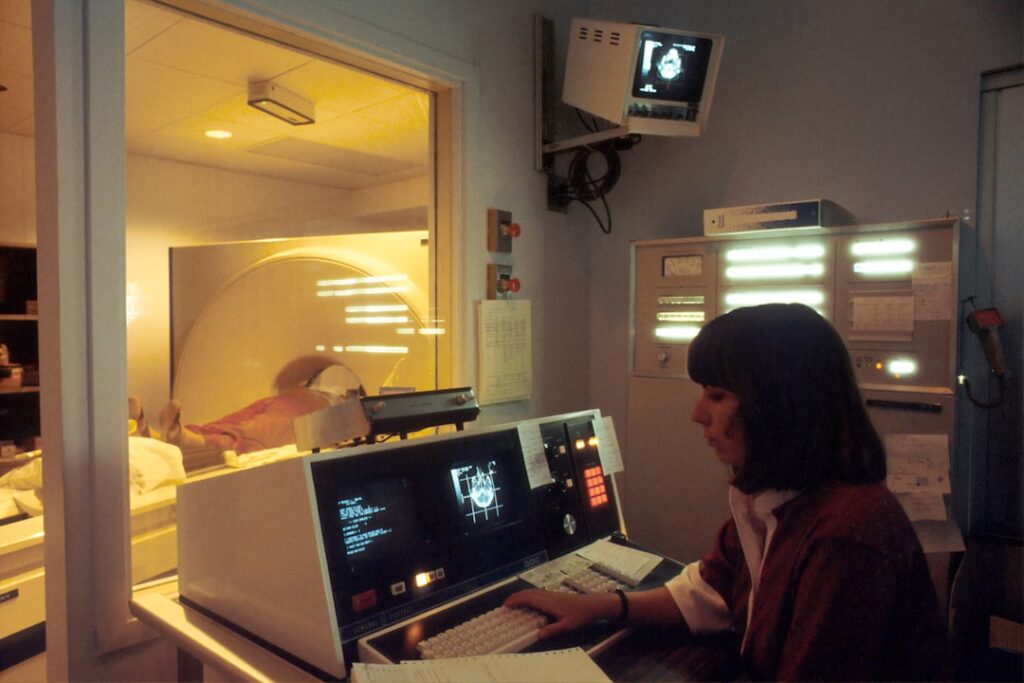
Diagnostic imaging services play a pivotal role in modern healthcare by enabling clinicians to see inside the body non-invasively. These technologies assist in detecting, diagnosing and monitoring a wide range of medical conditions, often before symptoms become apparent. From routine X-rays to more complex imaging such as MRI and CT scans, these services are critical to both early intervention and ongoing treatment planning.
The term diagnostic imaging encompasses a variety of techniques that produce visual representations of internal structures. Some of the most common forms include X-rays, ultrasound, computed tomography (CT), magnetic resonance imaging (MRI), and nuclear medicine scans. Each method offers different benefits and is suitable for specific types of examination. For instance, X-rays are widely used to assess bone injuries, while MRI is better suited for soft tissue evaluation.
Clinicians rely on these imaging techniques to make informed decisions about patient care. A timely and accurate diagnosis can significantly affect the course of treatment and eventual outcomes. For example, early detection of tumours via imaging can lead to quicker treatment interventions, potentially improving survival rates. In emergency medicine, diagnostic imaging can rapidly identify life-threatening issues such as internal bleeding or organ damage, allowing for immediate care.
In addition to their diagnostic role, imaging services are frequently used to guide therapeutic procedures. Ultrasound is often used during biopsies to ensure precise needle placement. Likewise, CT imaging may assist in planning radiation therapy by mapping out the exact location and size of a tumour. This kind of integration between imaging and treatment helps personalise care and improves procedural accuracy.
The quality and availability of diagnostic imaging services can vary significantly depending on geographic and institutional factors. In some regions, access to advanced imaging is limited, which can delay diagnosis and treatment. Conversely, in well-resourced healthcare systems, imaging is not only used diagnostically but also as part of preventive care. Regular screening with mammograms or colonography, for example, helps detect diseases at an early, more treatable stage.
Moreover, digital advancements have transformed how imaging is performed and interpreted. The integration of digital platforms allows for quicker sharing of results between departments and even across different healthcare facilities. This improves collaboration among medical professionals and supports more cohesive patient management. Artificial intelligence is also making its way into imaging services, assisting radiologists in identifying subtle abnormalities that might be missed by the human eye.
The effectiveness of diagnostic imaging also hinges on the expertise of the technicians and radiologists involved. Radiographers must not only operate the equipment safely but also ensure that images are of high quality for accurate interpretation. Radiologists, on the other hand, must analyse these images with precision and offer clear, actionable reports to the referring physicians. Ongoing training and professional development are essential in this rapidly evolving field.
From a patient perspective, diagnostic imaging services are generally non-invasive and associated with minimal discomfort. However, some procedures require preparation or the use of contrast agents, which can cause mild side effects in certain individuals. Clear communication between healthcare providers and patients helps mitigate anxiety and ensures proper procedural compliance.
Healthcare organisations must also consider the operational logistics of offering imaging services. These include equipment maintenance, scheduling efficiency, data storage and compliance with safety regulations. Institutions that manage these factors effectively are better positioned to deliver timely and accurate diagnostic services. For more on how imaging services are integrated into broader healthcare support systems, visit healthcare technology solutions.
In essence, diagnostic imaging services are a cornerstone of contemporary medicine. They empower clinicians to detect and monitor disease with greater accuracy and efficiency, ultimately contributing to better patient outcomes. As technology advances and becomes more accessible, the role of imaging in healthcare will likely expand even further, enhancing its value across a range of medical disciplines.