
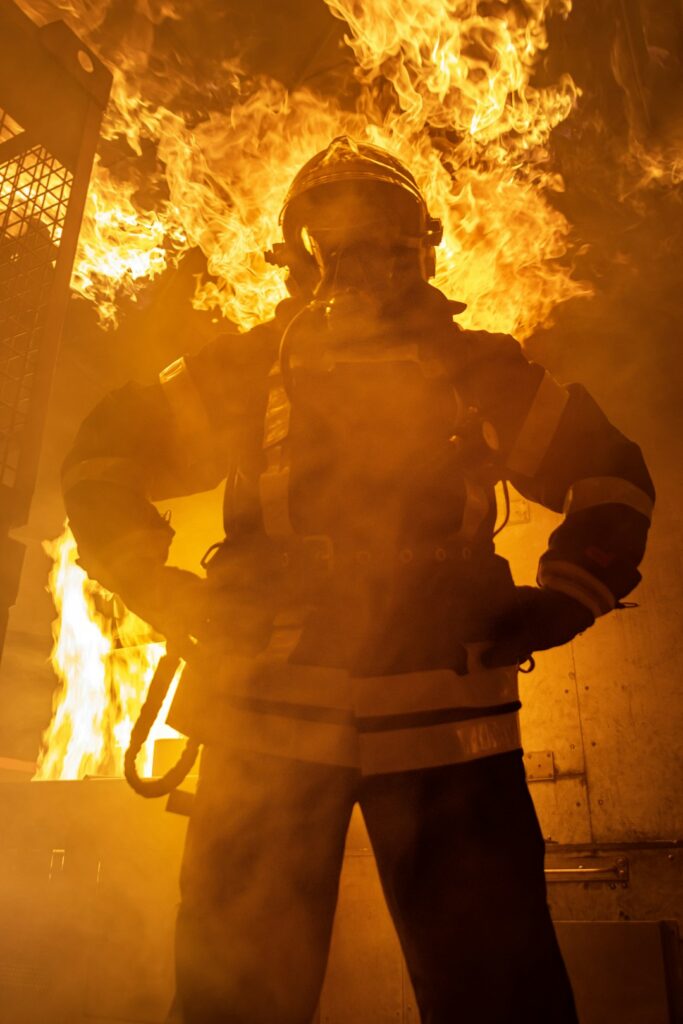

Fire watch guards have the specific task of monitoring high-risk areas during and after hot work operations. They’re trained to recognize early warning signs such as sparks, excessive smoke, or heat buildup. For example, on one industrial project, a guard spotted sparks landing near a pile of oily rags. Instead of waiting, the guard immediately raised the alarm, cleared the area, and used a fire extinguisher to prevent escalation. These guards often carry radios to maintain communication with supervisors and local fire services, ensuring a rapid coordinated response.
Some companies still make the mistake of assigning fire watch duties to general security staff who lack proper training. This can lead to inadequate supervision and slower reaction times during emergencies. In one case, a construction site undergoing renovations ignored proper fire watch protocols during welding activities. A fire broke out, causing severe equipment loss and shutting down the project for weeks. This kind of oversight can cost businesses heavily in downtime and repairs.
Qualified fire watch guards hold certifications that cover fire prevention techniques, emergency response, and equipment handling. They perform regular sweeps of the worksite before, during, and after hot work to spot potential ignition sources. When an incident occurs, they’re prepared to apply initial firefighting methods using extinguishers or hoses until professional firefighters arrive. Their presence is a crucial layer of defense that helps contain hazards quickly and limits property damage.
A practical detail often overlooked is how fire watch guards keep detailed logs of their inspections and any incidents. These records are invaluable during safety audits and insurance claims. Also, clear communication between fire watch guards and other site staff can prevent misunderstandings about which areas are safe or off-limits during hot work. Regular briefings help everyone stay on the same page about current hazards and emergency procedures.
Training shouldn’t stop with the guards. Incorporating routine fire drills that include evacuation practice and simulated fire scenarios can sharpen everyone’s readiness. Fire watch guards providing live feedback during drills help identify weak points in the response plan. It’s common for drills to reveal issues like blocked escape routes or unclear alarm signals, which get fixed before real emergencies occur. Everyone knowing their role reduces confusion during actual fires.
When considering security services for environments with fire risks, look at including fire watch guards in your strategy. Their specialized skills go beyond basic security duties by focusing entirely on preventing fires and managing incidents when they arise. Having them around protects your assets and helps create a culture where safety is taken seriously by all workers.
Companies also benefit from consulting resources available online for fire safety planning. For guidance on integrating fire watch protocols into your operations, visit workplace fire safety advice. This kind of practical information supports better risk management and keeps teams informed about best practices.
Implementing trained fire watch guards is a straightforward way to improve safety on sites where fire hazards exist. They reduce liability risks by ensuring compliance with workplace safety guidelines and help avoid costly incidents that disrupt operations. The value of quick detection and immediate action cannot be underestimated when dealing with potential fires.