
Liquid membrane coatings bond well to surfaces like rubber, metal, or fiberglass, forming a continuous layer without gaps. Unlike patch jobs that can peel or crack, these coatings flex with roof movement and temperature changes. Proper application requires cleaning the roof thoroughly, removing dirt, grease, and old sealants. Any holes or splits need filling with compatible sealant before coating. Prepping this way ensures the membrane adheres firmly and lasts longer.
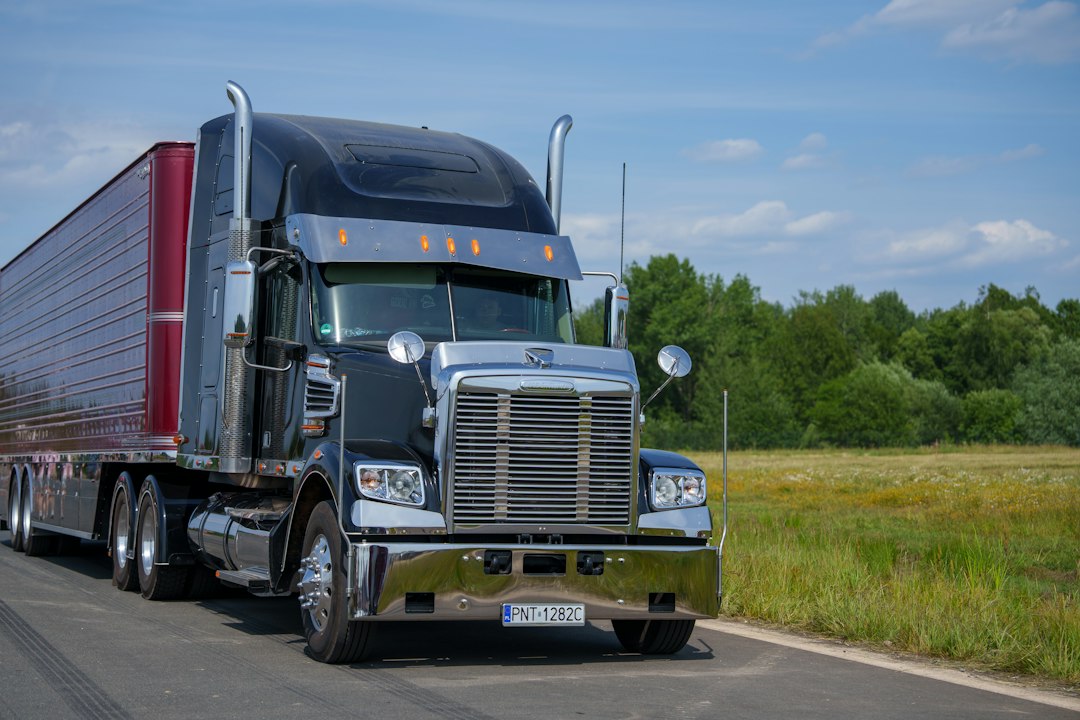
For example, a delivery van fleet manager faced persistent roof leaks after heavy storms. The quick fix with conventional roofing materials didn’t stop moisture from seeping in. After switching to rv roof coating, the vans remained dry even during prolonged rain. These coatings also block UV rays, which helps prevent cracking and fading that sun exposure causes over time.
Applying liquid membranes is straightforward but demands attention to detail. Surfaces must be dry before starting. Use a roller or sprayer to spread the coating evenly; thin spots are weak points prone to failure. Following manufacturer coverage instructions matters, usually one pint covers about 25 square feet depending on the product. Multiple layers may be necessary for optimal protection. A common mistake is rushing the process or skipping surface preparation, which leads to premature peeling.
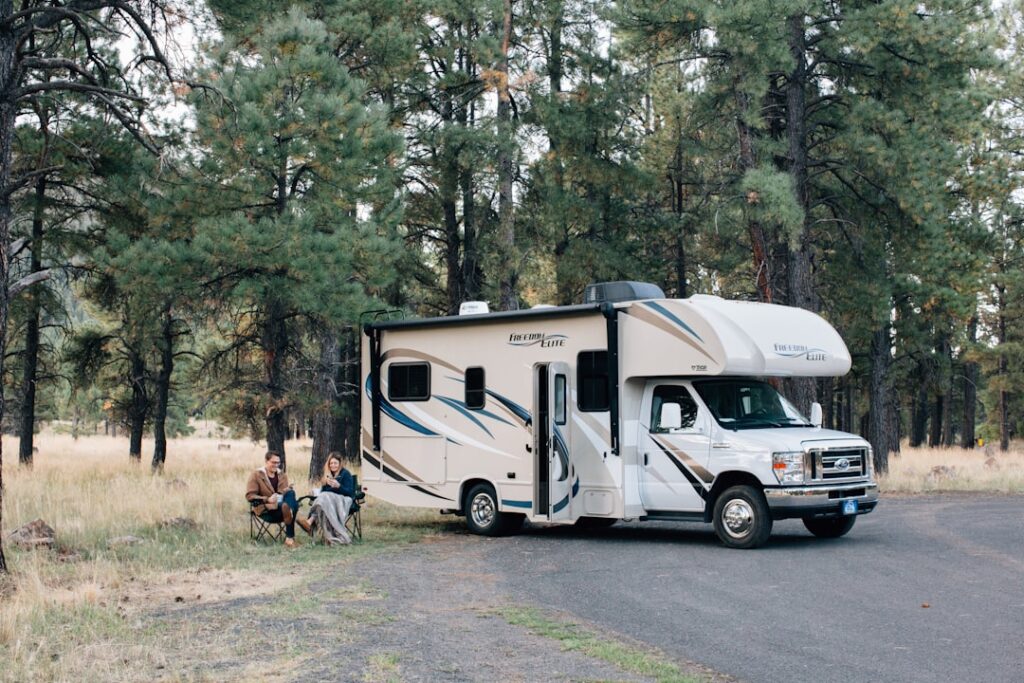
Many DIYers appreciate how manageable these coatings are. They don’t need special tools or professional help, which saves money and lets owners control maintenance schedules. It’s practical to keep a small stock of the product for touch-ups after long trips or harsh weather exposure. Online forums and tutorials often share tips specific to different RV models or vehicle types, helping users avoid typical pitfalls.
Besides waterproofing, liquid membranes resist mold and mildew growth, a frequent problem in damp environments like RV roofs or commercial vehicles stored outside. Regular inspection every six months allows early detection of wear and timely reapplication. Ignoring this can lead to corrosion or structural damage that’s expensive to fix later. Checking gasket seals and clearing debris around vents also supports roof health.
If you’re thinking about roof protection options, consider the range of formulations available. Some are thicker for heavy-duty use; others have additives for extra flexibility in cold climates. Staying informed through newsletters or industry updates can alert you to new products or application methods that might suit your needs better. Researching product datasheets helps match coatings to your roof material and environmental conditions.
Taking care of an RV or commercial vehicle roof isn’t glamorous but skipping it often leads to costly repairs and downtime. Investing time in proper coating application protects your vehicle’s interior and structural integrity. Don’t wait until a small leak ruins a trip or disrupts business operations. Start with reliable products like vehicle roof protection options that offer proven durability and ease of use.