

Liquid rubber membranes are widely used because they form a flexible coating that adheres to concrete, wood, and other surfaces. This flexibility means the membrane can adjust to temperature shifts and slight movements in the foundation without cracking. It’s effective both inside and outside basements, providing broad protection against water intrusion. When applied correctly, the membrane creates a continuous layer with no joints or gaps where water can sneak through.
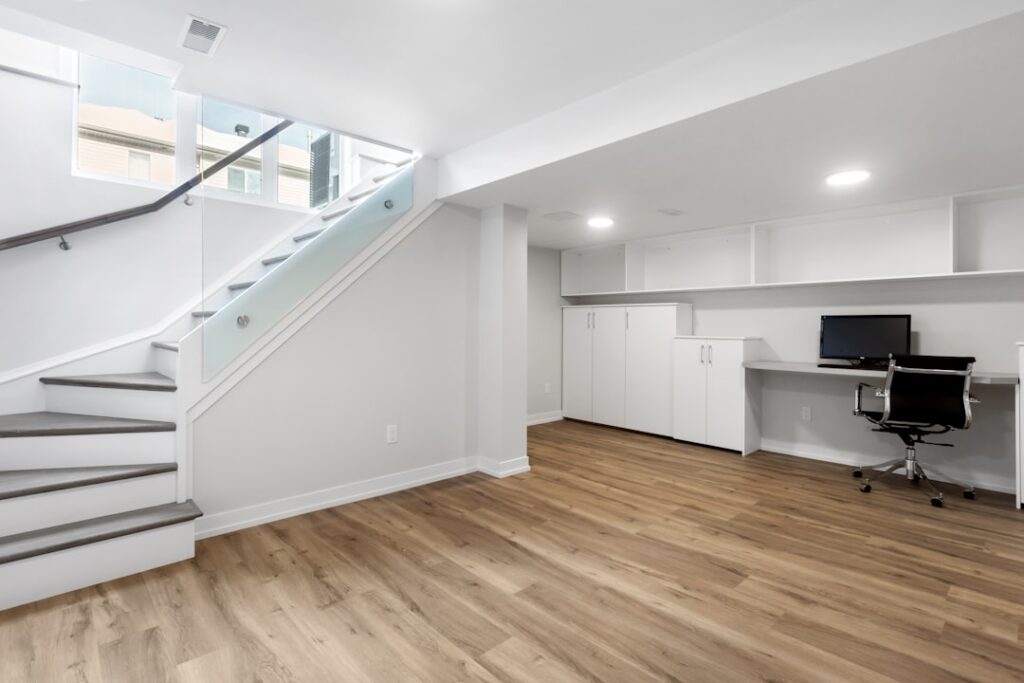
Take the example of a small business owner who renovated their basement for storage. Without waterproofing, any water leaks could ruin stored goods and force expensive repairs. A good-quality liquid membrane keeps water out and lets the owner use the space confidently. Applying this coating also avoids the need for bulky external drainage systems, which might not fit the building’s layout or budget.
Many homeowners find modern liquid membranes accessible since they often come with clear instructions. You’ll need to calculate coverage based on square footage; for instance, a pint might cover around 20 square feet depending on surface texture. Surface preparation is critical: clean walls thoroughly, remove loose paint or efflorescence, and let everything dry before coating. Skipping this step can cause peeling and reduce effectiveness.
Traditional methods like sump pumps and drainage pipes are common but tend to be more involved and require regular checks to ensure they’re working properly. Liquid membranes offer a low-maintenance alternative once installed correctly. They don’t rely on mechanical parts that can fail or clog. For busy property owners, this simplicity can save time and stress over the years.
Comparing waterproofing options means looking at durability, ease of application, maintenance needs, and cost. Some membranes last up to 10 years or more if applied over a solid base. Others might need reapplication every few years, depending on climate and wear. Reading product data sheets and customer feedback helps avoid surprises down the line.
If you’re uncertain about which product fits your basement conditions best, consulting professionals who specialise in waterproofing can be worth the effort. They can assess factors like soil type, foundation cracks, and drainage around your property to recommend targeted approaches. Miscommunication about surface prep or product choice is a common cause of failed waterproofing jobs, so clear guidance makes a difference.
For ongoing updates on waterproofing products and practical tips, subscribing to home improvement newsletters is handy. These often share seasonal advice, reminders about maintenance tasks like gutter cleaning, and occasional discounts on materials. Staying informed helps you catch issues early before they escalate.
Investing in effective basement waterproofing protects your property from moisture damage that can reduce its value and usability. Whether you opt for liquid membranes or other methods, understanding how these solutions function lets you maintain a dry environment proactively. Explore more about basement waterproofing techniques today. For detailed product information and updates, visit .