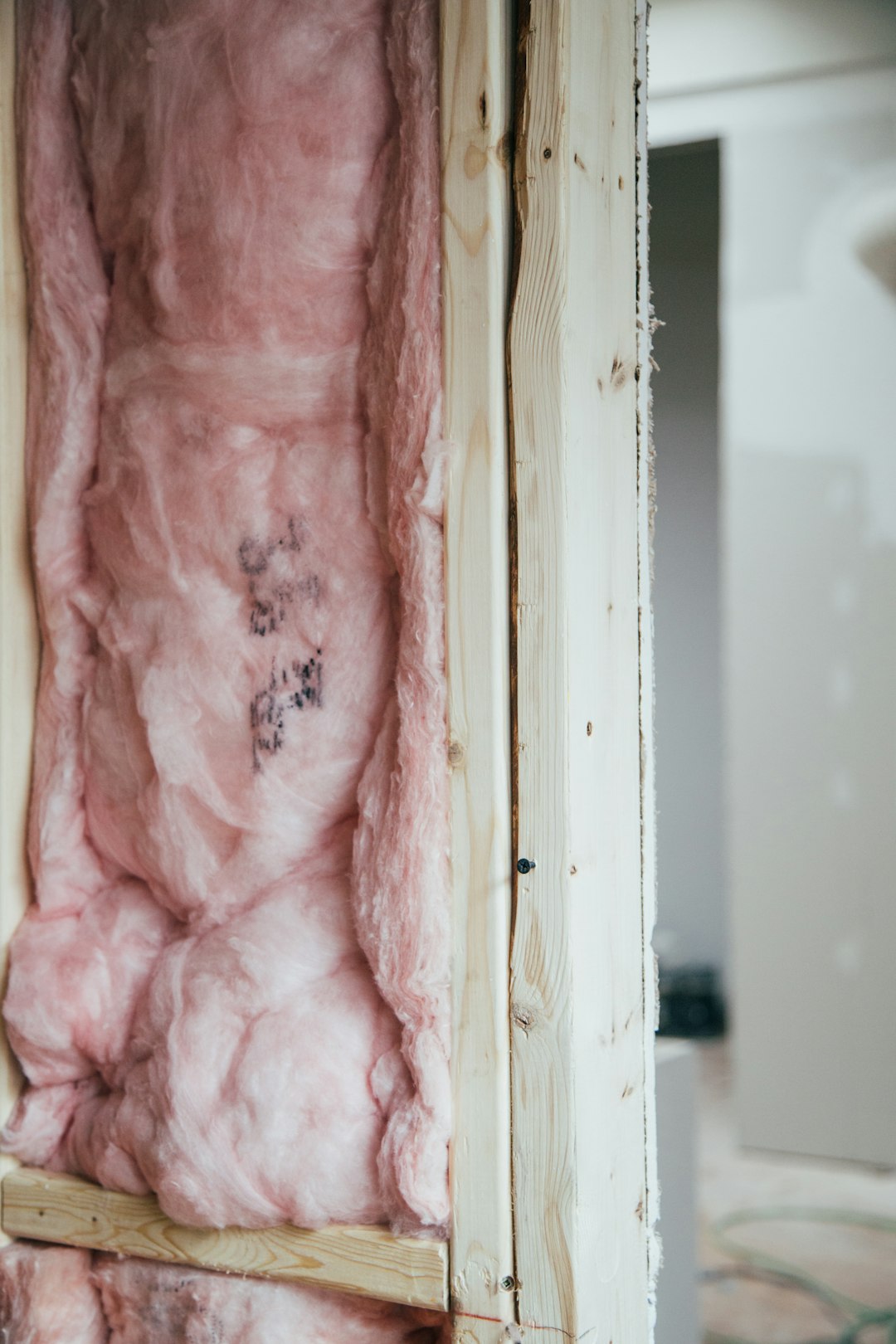

A frequent error is choosing cavity wall insulation for solid walls. It might seem cheaper and easier, but it often causes damp issues and fails to keep the heat in. Solid walls need insulation that fits their structure, either applied inside or outside, and each method has pros and cons. For instance, internal solid wall insulation can reduce room size slightly but offers good protection, while external insulation preserves interior space but can be more expensive and affect the building’s appearance.
Small business owners sometimes install thick insulation materials without considering how much space they consume. This can make working areas cramped and uncomfortable. Instead, knowing the options helps pick materials that balance insulation performance with space efficiency. Some insulating materials are slim yet effective, such as insulated plasterboard or specialized external cladding systems.
Another technical factor to consider is thermal bridging. This happens when parts of the building structure, like corners or where floors meet walls, allow heat to escape more easily because they’re less insulated. Missing these spots during installation can undermine the whole effort. A thorough survey before starting work is crucial to spot potential thermal bridges and plan treatment accordingly.
Breathability is just as important. Solid walls often need to let moisture pass through to avoid damp problems. Using the wrong insulation can trap moisture inside, leading to mould and damage over time. Materials like mineral wool or breathable boards help maintain this balance by keeping heat in while letting moisture escape safely. Checking for signs of damp in walls before installing insulation can prevent costly repairs later.
People serious about improving energy efficiency should understand how solid wall insulation works and what it involves. It’s not just about adding layers; it’s about choosing the right system for the building type, climate, and budget. Investing in proper research and planning avoids quick fixes that can backfire, costing more in the long run.
As building regulations become stricter, correct installation is more important than ever. Hiring professionals experienced in solid wall insulation ensures all safety and performance standards are met. They’ll handle details like fixing thermal bridges and preserving wall breathability. Plus, proper installation often improves property value and cuts heating bills noticeably.
Every property has unique needs. Whether it’s a home or commercial building, consulting specialists who understand these differences helps find the best approach. They’ll recommend solutions that keep your space functional and visually appealing without wasting room or money. Exploring options for energy saving measures for older buildings can guide you toward choices that fit your property’s specific requirements.