
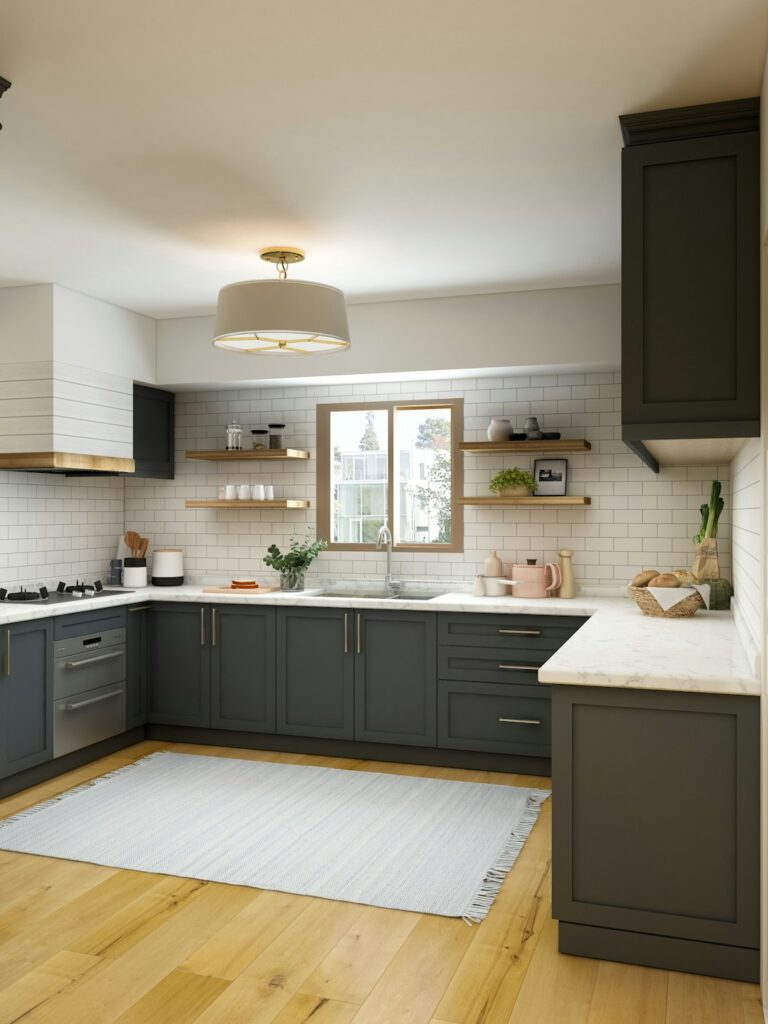

A kitchen in constant use demands surfaces that can take a beating without losing their shape or function. A stainless steel kitchen bench fits that bill perfectly. Whether you run a busy restaurant or cook at home, a solid bench made from stainless steel can make your work more efficient and keep up with heavy daily use. It’s not just about looks; it’s about having a reliable spot to prep, plate, and organize your tasks.
Construction quality matters. Look for benches featuring fully welded hat channels under the surface. These add a layer of strength that stops the bench from wobbling or flexing when loaded down with pots, pans, or appliances.
I’ve seen cheaper benches shake under weight, leading to frustration and even accidents. Welding those supports in place is a small detail that pays off big time in stability.
Material choice is key. Many benches use 430-grade stainless steel, which resists corrosion well and cleans up easily, important in kitchens where hygiene can’t be compromised. But if your kitchen faces tougher conditions like strong chemicals or constant moisture, upgrading to 304-grade stainless might be worth it. It handles rougher environments better and can last longer with less maintenance.
Size and layout affect how useful a bench will be in your space. A 610 mm by 610 mm footprint works well in tight areas without crowding, making it popular for cafés and small commercial kitchens.
In larger setups, several of these benches can be arranged to create distinct zones for different tasks, like prepping, cooking, and plating, helping keep the workflow organized. Don’t forget to measure your space carefully before buying.
Weight capacity should never be an afterthought. It’s easy to assume any bench will hold your gear, but many fall short under heavy loads. Check the specs closely to avoid surprises. Your bench should handle everything you routinely place on it, from heavy mixing bowls to bulky kitchen equipment, without bending or shifting. Some users neglect this and end up replacing benches prematurely due to damage.
Keeping stainless steel clean and intact takes regular attention.
Use cleaning products made specifically for stainless steel to avoid scratching or dulling the finish. I recommend wiping down benches daily after use and inspecting welds and joints every few weeks for signs of wear, rust, or loose parts. Catching issues early prevents costly repairs later and keeps the surface safe for food prep.
If you need a dependable work surface, check out options for a stainless steel bench. These benches are designed to meet practical demands while fitting into different kitchen sizes and setups. Remember, a bench isn’t just furniture; it’s part of your workflow.
Choosing the right bench means balancing quality construction, appropriate material grade, size that fits your space, and a maintenance routine you can stick with. Think about how you’ll use the bench daily and what might cause wear or damage over time. For more tailored choices, visit .